TRENDING

Monday, 5 October 2026
----------------------
24 Rabi' Al-Thani 1448 AH
The Declaration of Independence's subtle distinction between independence and freedom has shaped U.S. foreign policy and domestic debates, revealing a complex and often paradoxical relationship between the two.
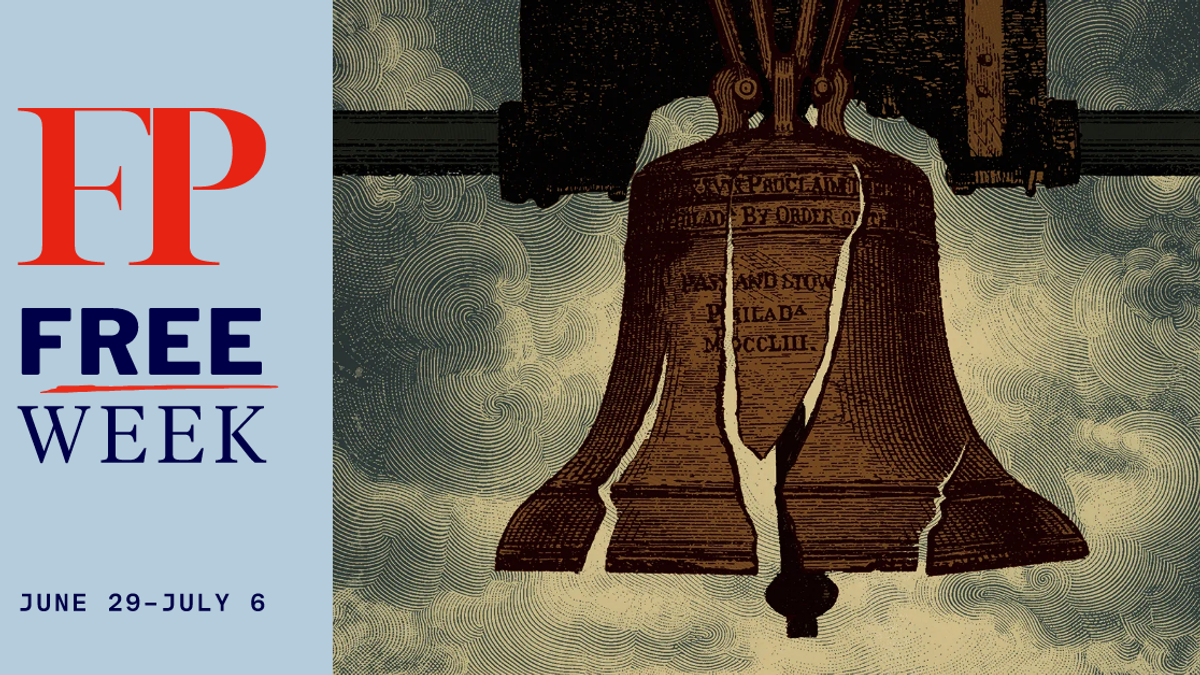
The Declaration of Independence, signed 250 years ago, is a cornerstone of American history and identity. However, its language and intent have been subject to interpretation, particularly regarding the relationship between independence and freedom. The document famously declared that "all men are created equal," endowed with the rights to "Life, Liberty, and the pursuit of Happiness." Yet, it never explicitly mentions "freedom" or uses the word "American." This subtlety has had far-reaching implications for U.S. foreign policy and domestic debates.
The Declaration of Independence was written for foreign audiences as much as colonial ones. It was an appeal to the tribunal of the world, designed to persuade potential European allies that this was no mere rebellion. The document laid out King George's failings in a 27-point list, showing how Britain had betrayed its North American subjects. By declaring independence, the Congress asserted the United States' equal status to its Old World peers. This was an act of rupture but also an insistence on the people's rights to statehood.
However, the Declaration of Independence skirted the issue of who constituted an "American people" or nation. The country's early ruling classes saw the state's apparatuses as the foremost concern. Even the declaration's framing indicated that who could contribute to the independence struggle was limited. Women, Black and Indigenous Americans, and even white men without property or skills were excluded from this vision of equality. This exclusionary nature of American identity has continued to shape U.S. history, from the reservation system to the debates about abolition and the end of slavery.
The tension between independence and freedom has reverberated through U.S. history, influencing both domestic debates and foreign policy. The idea of Manifest Destiny, which justified overseas expansion, bore many of the same hallmarks as the European "civilizing mission." The reservation system, which emerged in the 19th-century United States, resembled British "tribal" policy in India and West Africa. These parallels highlight the complex and often paradoxical relationship between independence and freedom in the United States.
As the United States celebrates 250 years of "American freedom," it is essential to reflect on the Declaration of Independence's subtle distinction between independence and freedom. This reflection reveals a complex and often paradoxical relationship between the two. The document's ambiguity has shaped U.S. history, influencing both domestic debates and foreign policy. By examining this tension, we can better understand the United States' place in the world and the ongoing struggles for equality and freedom within its borders.
The Declaration of Independence's subtle distinction between independence and freedom has had far-reaching implications for U.S. foreign policy and domestic debates. This tension, born of history, has continued to shape the country's identity and relationships with the world. As the United States looks to the future, it is essential to acknowledge and address the paradoxes of freedom and equality at the heart of the American nation.
Editor's Note: This analysis is based on historical records and scholarly interpretations of the Declaration of Independence.
Source referenced: FOREIGNPOLICY
This brief was synthesized by our Editorial Engine and reviewed by The Ground Narrative team.