TRENDING

Monday, 5 October 2026
----------------------
24 Rabi' Al-Thani 1448 AH
A car crash into a children's development center in Thailand's Kanchanaburi province has left at least 13 children injured, highlighting the often-overlooked issue of road safety in the country. The incident underscores the human cost of neglecting infrastructure and the importance of addressing the root causes of such tragedies.
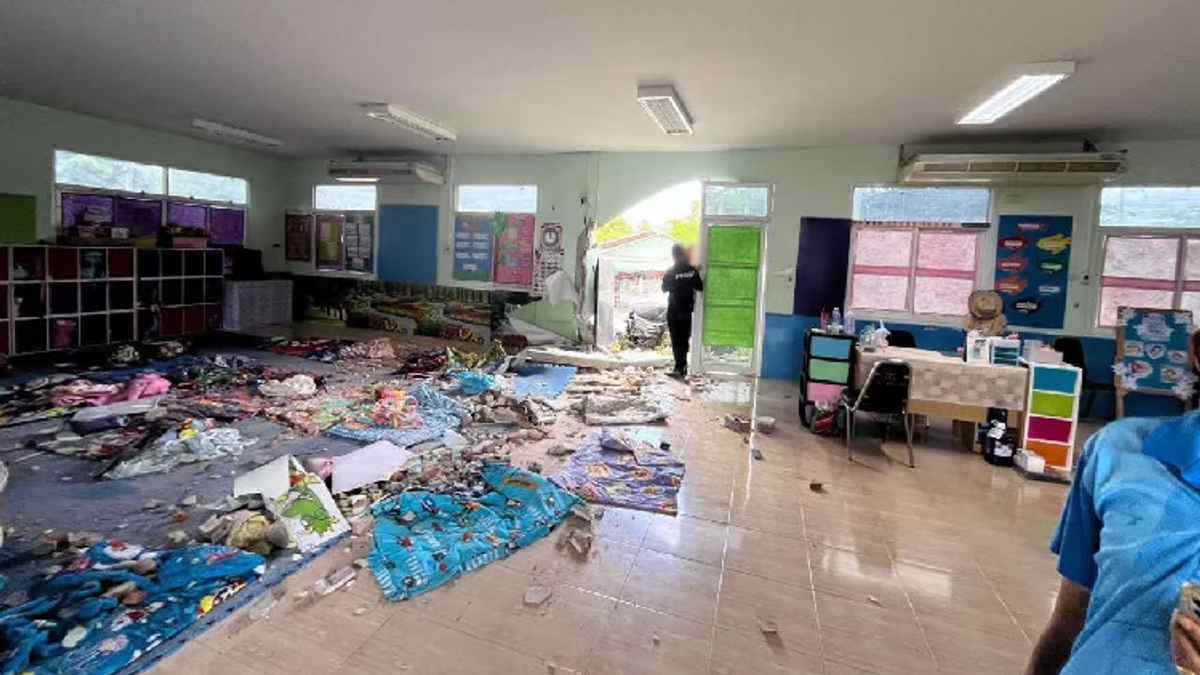
On August 7, 2026, a car lost control and crashed into a children's development center in Thailand's western province of Kanchanaburi, injuring at least 13 children. The vehicle, which was turning, suddenly lost control due to the driver's sudden illness, resulting in the wall of the center collapsing and causing injuries to the children inside.
The power dynamics at play in this incident are multifaceted. Firstly, the lack of stringent road safety measures and possibly inadequate healthcare access for the driver, who suffered a sudden illness, point to systemic failures. Thailand, like many countries, faces challenges in balancing economic growth with public safety and healthcare. The government's priorities and resource allocation can significantly influence the frequency and impact of such incidents.
The children injured in this incident are the most immediate victims, but the ripple effects of such a tragedy can extend far beyond the immediate community. Families are left to deal with the aftermath, including potential long-term health consequences for the children. Moreover, incidents like these can erode trust in public safety and the government's ability to protect its citizens, particularly the most vulnerable.
What is often downplayed in reports of such incidents is the broader context of infrastructure neglect and the socioeconomic factors that contribute to these tragedies. The condition of roads, the availability of emergency services, and the enforcement of traffic laws all play critical roles in preventing or mitigating the effects of car accidents. Furthermore, the incident highlights the need for a more comprehensive approach to public health, including preventive care and emergency response planning.
As Thailand moves forward from this incident, several key areas will be worth watching. Firstly, the government's response to the incident, including any investigations into the cause and measures taken to prevent similar accidents, will be crucial. Secondly, advocacy for improved road safety and healthcare infrastructure may gain momentum, potentially leading to policy changes. Lastly, the international community's reaction, particularly in terms of offering support or expertise in enhancing Thailand's public safety and healthcare systems, could provide insight into the country's position on the global stage and its willingness to accept external assistance in addressing its challenges.
Editor's Note: The analysis is based on the information available at the time of writing and may evolve as more details about the incident emerge.
Source referenced: CGTN
This brief was synthesized by our Editorial Engine and reviewed by The Ground Narrative team.