TRENDING

Monday, 5 October 2026
----------------------
24 Rabi' Al-Thani 1448 AH
Gulf states are racing to find alternatives to the Strait of Hormuz, a critical oil shipping route, as tensions with Iran escalate. But who will bear the cost of this high-stakes game, and what are the powerful actors downplaying?
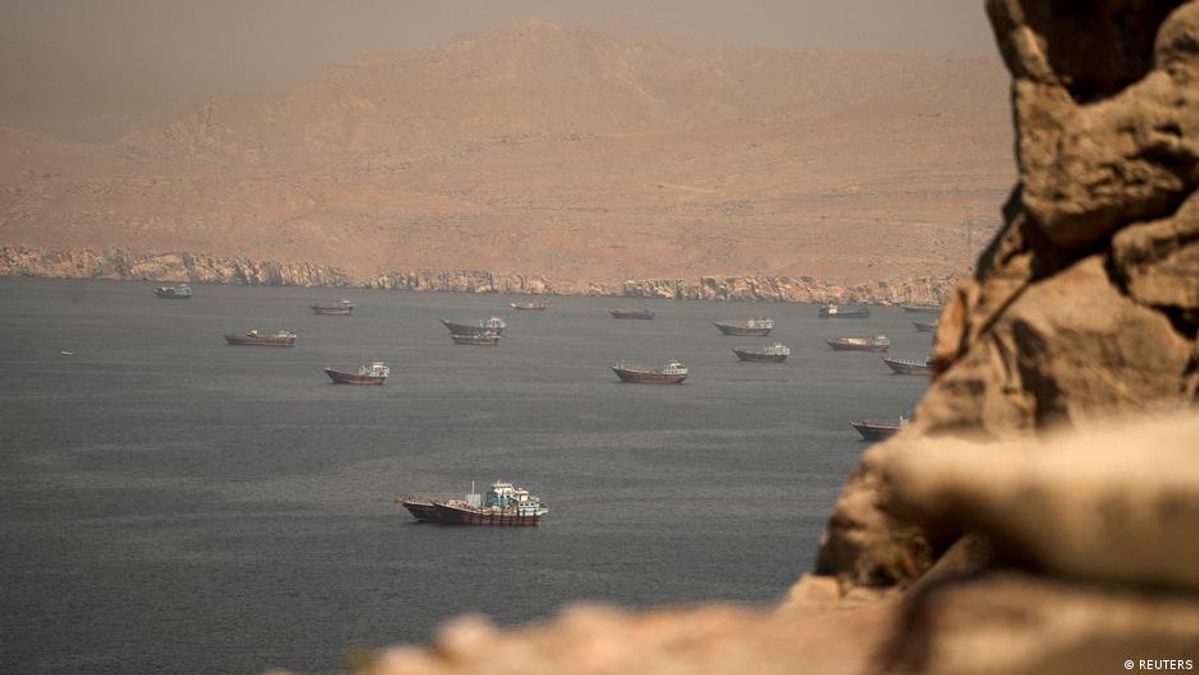
The Strait of Hormuz, a narrow waterway between Iran and Oman, has been a focal point of tension in the region. With the US-Iran war placing greater importance on alternative shipping lanes, Saudi Arabia and the United Arab Emirates (UAE) are scrambling to redirect oil exports away from the Strait. Saudi Arabia has demonstrated success in redirecting substantial volumes through the East-West Pipeline to the Red Sea port of Yanbu, while the UAE has had less success despite possessing ports and pipelines designed for this purpose.
The power dynamics at play are complex, with multiple actors vying for control. The US, Iran, Saudi Arabia, and the UAE are all major players, each with their own interests and motivations. The US is seeking to maintain its influence in the region, while Iran is attempting to exert its own power and gain concessions. Saudi Arabia and the UAE are caught in the middle, trying to protect their oil exports and maintain stability in the region. The use of alternative shipping lanes and pipelines is a key aspect of this power struggle, as it allows countries to bypass the Strait of Hormuz and reduce their dependence on this critical waterway.
The human cost of this conflict is significant, with the potential for widespread disruption to oil supplies and economic instability. The people of Iran, Saudi Arabia, and the UAE will bear the brunt of this conflict, as will those in other countries that rely on oil exports from the region. The conflict also has the potential to escalate into a broader regional war, with devastating consequences for civilians and the global economy. The impact on local communities, such as the port cities of Fujairah and Yanbu, will also be significant, as they face the risk of attack and disruption to their livelihoods.
What is being downplayed in this conflict is the vulnerability of the alternative shipping lanes and pipelines. While Saudi Arabia's East-West Pipeline has been successful in redirecting oil exports, it is not a foolproof solution. The pipeline and the Red Sea port of Yanbu are still vulnerable to attack, and the UAE's alternative ports are also at risk. The use of drones and missiles by Iranian-backed rebels in Yemen has already demonstrated the potential for disruption to these alternative routes. Furthermore, the long-term consequences of this conflict, including the potential for a broader regional war and the impact on global oil supplies, are being downplayed by powerful actors.
As the situation continues to unfold, it is essential to watch for several key developments. The US and Iran will likely continue to engage in a war of words, with the potential for further escalation. Saudi Arabia and the UAE will continue to explore alternative shipping lanes and pipelines, but the vulnerability of these routes will remain a concern. The impact on local communities and the global economy will also be significant, and it is crucial to monitor these developments closely. Additionally, the role of other regional actors, such as Israel and Qatar, will be important to watch, as they may play a key role in the development of alternative shipping lanes and pipelines.
Editor's Note: The analysis is based on current events and trends, but the situation is highly fluid and subject to change.
Source referenced: DW
This brief was synthesized by our Editorial Engine and reviewed by The Ground Narrative team.


