TRENDING

Sunday, 4 October 2026
----------------------
23 Rabi' Al-Thani 1448 AH
The United States is navigating a transformed world order, marked by the rise of revisionist autocratic rivals and a decline in its global influence. The foreign policies of Donald Trump and Joe Biden signal a definitive break from the post-Cold War world, with significant implications for global stability and cooperation. As the US adapts to this new reality, regional coalitions must take more responsibility for key challenges, pushing back against aggressive US behavior and forging their own paths in a rapidly changing world.
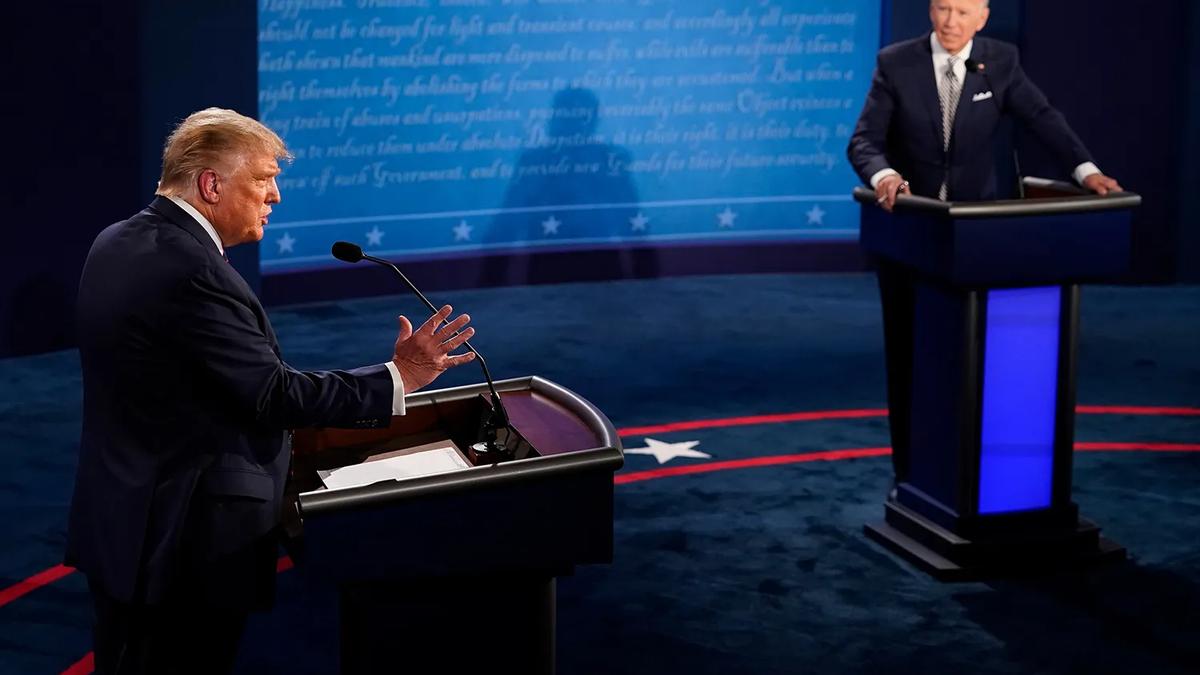
The post-Cold War world is over, and the United States is struggling to come to terms with its new role in a rapidly changing global landscape. According to Thomas Wright's book, 'Inflection Point,' the US faces two major revisionist autocratic rivals, Russia and China, which seek to weaken its global influence and assert control over their respective zones of the world. This shift marks a significant departure from the post-Cold War era, where the US sought to preserve a grand strategy based on alliances, free trade, and military supremacy.
The structural forces at play in this new world order are driven by the incentives of major powers, the political survival of leaders, and the economic trade-offs of a rapidly changing global economy. The US, under the leadership of both Trump and Biden, has been forced to adapt to this new reality, with a focus on strategic competition with China and Russia, and a reorientation of its foreign policy towards a more protectionist and multipolar approach. However, this shift has also been marked by aggressive and erratic US behavior, including military campaigns against Iran and threats against allies like Canada and Denmark.
The human cost of this new world order is significant, with the people of Ukraine, Venezuela, and other countries bearing the brunt of the conflict and instability. The US's withdrawal from Afghanistan, and its reduced role in nation-building overseas, has also had a profound impact on the people of these countries, who are now forced to navigate a rapidly changing and often unstable environment. Furthermore, the rise of far-right parties in Europe and elsewhere, aligned with the Trump administration, has also contributed to a growing sense of uncertainty and insecurity among marginalized communities.
What is being downplayed or omitted in the official statements and narratives surrounding this new world order is the extent to which the US's own actions have contributed to the rise of revisionist autocratic rivals. The US's aggressive and erratic behavior, including its withdrawal from international agreements and its imposition of arbitrary tariffs, has created a power vacuum that has been exploited by Russia and China. Additionally, the US's alignment with far-right parties in Europe and elsewhere has also contributed to a growing sense of division and instability in the global community.
As the US navigates this new world order, readers should watch for the continued rise of regional coalitions and the growth of multipolarism. The US's ability to adapt to this new reality, and to find a new role for itself in a rapidly changing world, will be critical in determining the future of global stability and cooperation. Additionally, the impact of the US's actions on marginalized communities, and the extent to which the US is willing to work with other countries to address global challenges, will also be important to watch in the coming months and years.
Editor's Note: The analysis is based on publicly available information and may not reflect the full complexity of the issues at play.
Source referenced: FOREIGNPOLICY
This brief was synthesized by our Editorial Engine and reviewed by The Ground Narrative team.