TRENDING

Monday, 5 October 2026
----------------------
24 Rabi' Al-Thani 1448 AH
Thailand’s fertility rate has slipped to 1.2, threatening a half‑size population in five decades. The article unpacks the power structures driving the crisis and who will bear its burden.
#WHAT HAPPENED
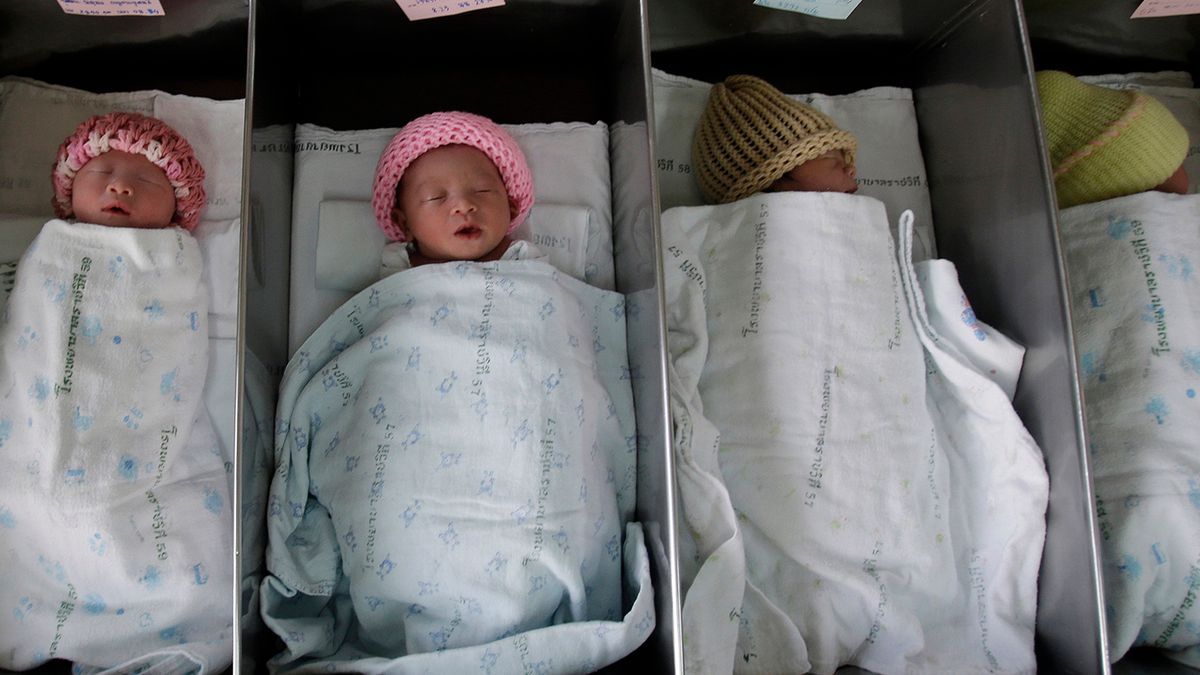
At a February press conference, the Department of Health warned that in 2025 deaths outnumbered births by roughly 140,000, a gap that could halve Thailand’s population within 50 years if trends continue. The National Savings Fund, which manages public pensions, echoed the alarm, calling the shrinking labor pool a "warning sign" for the welfare system and fiscal stability. In response, officials pledged expanded fertility clinics, limited childcare subsidies, and a modest child‑support grant, but the measures appear modest against a fertility rate of 1.2 births per woman – well below replacement level.
#THE POWER MECHANICS
#Economic incentives and fiscal pressure
Thailand’s economy has stalled after decades of rapid growth, leaving a narrow tax base to fund pensions and healthcare. A shrinking workforce means fewer contributors and higher per‑capita costs for retirees, pressuring policymakers to either raise the retirement age or cut benefits. The National Savings Fund’s warning reflects a fiscal calculus: a declining cohort of workers threatens the solvency of a system built on intergenerational transfers.
#Political survival and policy inertia
Frequent changes in government – ten prime ministers in the past quarter‑century, two coups – have created a climate where long‑term social policy is difficult to implement. Any substantial family‑support program risks being rolled back by a future administration, discouraging bold reforms. The current modest grant of 15,000 baht per birth is politically palatable but insufficient to shift fertility decisions.
#Gender equality and labor market dynamics
Thailand boasts relatively high female education and labor participation rates compared with regional peers. Women with university degrees tend to marry later and prioritize careers, reducing the average number of children per woman to about 0.5. While gender parity is a social achievement, it also reshapes household economics: dual‑income families often deem childrearing an unaffordable opportunity cost.
#Urbanization and cost of living
Over 60% of Thais now live in urban areas, especially Bangkok, where housing, schooling, and childcare are disproportionately expensive. A typical urban household faces costs that can exceed five times the modest child‑support stipend, making the prospect of raising a child financially daunting.
#Cultural narratives and social media
A recent scholarly paper highlighted the "relative income hypothesis": young Thais compare their lifestyle aspirations to peers rather than absolute earnings. Social media amplifies consumption norms, leading many to postpone or forgo parenthood until they can afford a perceived middle‑class lifestyle – a threshold that may never be reached.
#THE HUMAN COST
#Young couples and delayed families
Young urban couples, especially those with higher education, confront a dilemma: pursue career advancement or start a family. The financial strain of housing, private schooling, and healthcare pushes many to delay childbearing until they feel economically secure, often past their fertile years.
#Rural communities and aging labor
In provinces where agriculture remains dominant, a shrinking youth population means fewer hands to work the fields. Elderly farmers must either adopt mechanization – which is capital‑intensive – or risk declining yields, threatening food security at the local level.
#Pensioners and the welfare state
A rapidly aging population will increase demand for medical care and pension payouts. With a dwindling tax base, retirees may face reduced benefits or higher contribution requirements, eroding the social contract that has underpinned Thailand’s post‑war stability.
#Women’s health and reproductive autonomy
While Thailand legalized abortion up to 20 weeks in 2021 and offers widespread contraception, the lack of public funding for assisted reproductive technologies (ART) creates inequities. Wealthier couples can access IVF at $1,000‑$6,000 per cycle, while lower‑income families cannot, reinforcing socioeconomic disparities in family formation.
#THE UNTOLD STORY
#Government downplaying fiscal urgency
Official statements emphasize "family values" and "social stability" while glossing over the stark fiscal math: a projected 50% population decline would slash the labor force, potentially collapsing the pension system. By framing the issue as a cultural choice rather than an economic emergency, policymakers avoid confronting hard choices like tax hikes or benefit cuts.
#Corporate interests in a shrinking market
Large retailers, real‑estate developers, and consumer‑goods firms benefit from a high‑spending, youthful demographic. A declining population threatens their long‑term market size, yet they lobby for minimal regulation and tax burdens, indirectly supporting policies that keep the status quo rather than encouraging higher birth rates.
#International investors and regional competition
Neighboring economies such as Vietnam and Indonesia are still experiencing population growth, offering larger labor pools for manufacturing and services. Foreign investors may shift production away from Thailand, exacerbating job scarcity for younger Thais and reinforcing the demographic decline.
#Media framing of "choice" versus "constraint"
Public discourse often celebrates women's autonomy and the right to choose childlessness, which is a genuine social advance. However, the narrative sidesteps structural constraints – unaffordable childcare, inadequate pensions, and political instability – that limit real choice for many families.
#WHAT TO WATCH
- Policy rollout: Track the implementation timeline of fertility clinics, childcare subsidies, and any adjustments to the retirement age. Delays or half‑measures will signal political hesitation.
- Labor market data: Monitor participation rates among women aged 25‑34 and vacancy trends in key sectors. A widening gap could foreshadow deeper economic strain.
- Fiscal reports: The National Savings Fund will publish annual solvency assessments; rising deficits will pressure the government to act.
- Social media trends: Emerging hashtags or influencer campaigns around parenthood may reveal shifting cultural attitudes, especially among urban millennials.
- Regional investment flows: Shifts in foreign direct investment toward neighboring countries could indicate investor confidence reacting to Thailand’s demographic outlook.
By watching these indicators, citizens can gauge whether Thailand’s leadership will confront the demographic headwind head‑on or continue to let market forces dictate the nation’s future.
Higher female education, urban living costs, and a history of accessible contraception combine to reduce family size, while economic stagnation limits incentives for larger households.
The government plans to expand public fertility clinics, offer limited childcare subsidies, and provide a modest child‑support grant, but these steps are modest compared with the scale of the problem.
Fewer workers mean a reduced tax base, higher per‑capita pension and healthcare costs, and potential loss of foreign investment to countries with larger labor pools.
Source referenced: FOREIGNPOLICY
This brief was synthesized by our Editorial Engine and reviewed by The Ground Narrative team.


