TRENDING

Saturday, 24 October 2026
----------------------
13 Jumada Al-Awwal 1448 AH
A tragic bus collision in eastern Syria, claiming at least 35 lives, underscores the severe and systemic deterioration of the nation's transport infrastructure after years of devastating war. This incident highlights critical challenges to Syria's post-conflict recovery, state capacity, and regional stability.
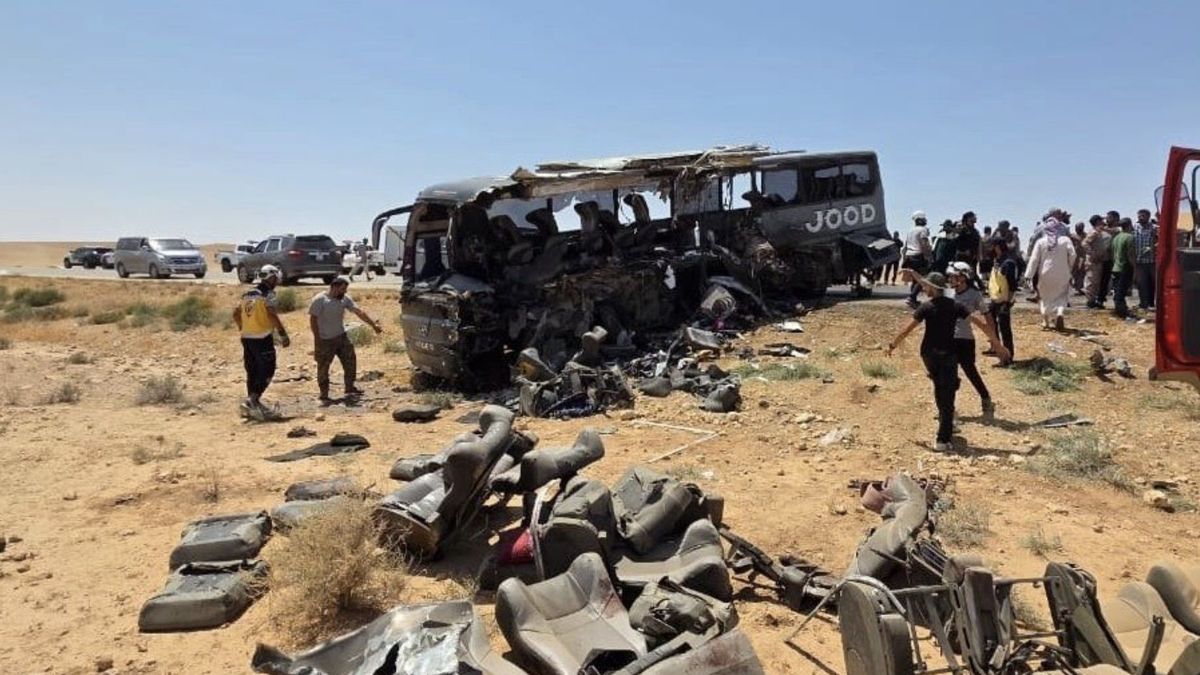
On July 25, 2026, a devastating collision between two buses on a major highway connecting eastern Syria to Damascus resulted in the deaths of at least 35 people and left dozens injured. While a tragic event in itself, this incident transcends a mere traffic accident, serving as a stark and somber indicator of the profound and systemic challenges facing Syria's infrastructure after more than a decade of protracted conflict. The crash occurred on a vital artery, underscoring the precarious state of the nation's transport networks and the broader implications for its recovery and stability.
The Syrian civil war, which began in 2011, has inflicted catastrophic damage across the country, decimating cities, displacing millions, and crippling essential services. Beyond the direct destruction of conflict, years of neglect, lack of maintenance, and the diversion of resources towards military efforts have led to a widespread decay of critical infrastructure. Roads, bridges, power grids, and public utilities have suffered immensely, with many becoming hazardous or non-functional. The highway where the recent collision took place is emblematic of this broader crisis, representing a network that is vital for internal trade, humanitarian aid delivery, and the movement of people, yet remains severely compromised.
This deterioration is not merely an inconvenience; it is a fundamental impediment to any meaningful post-conflict recovery. The ability to transport goods, facilitate commerce, and ensure the safe movement of citizens is foundational to economic revitalization. When these basic functions are compromised, the ripple effects are felt across all sectors, from agriculture and industry to healthcare and education.
The bus collision, therefore, offers a critical lens through which to view several geopolitical and socio-economic challenges confronting Syria:
* Economic Stagnation and Recovery Hurdles: Damaged infrastructure directly hinders economic activity. High transportation costs, increased risks, and logistical bottlenecks stifle internal trade and deter potential investment, both domestic and international. This perpetuates economic stagnation, making it exceedingly difficult for Syria to rebuild its economy and provide livelihoods for its population.
* State Capacity and Governance: The Syrian government's capacity to repair and maintain its infrastructure is severely tested. Years of conflict have depleted national resources, and international sanctions further complicate access to necessary equipment, materials, and expertise. The inability to ensure basic road safety and maintain vital transport links reflects ongoing struggles in state governance and the provision of essential public services, even in areas under government control.
* Humanitarian Crisis and Public Health: Beyond the immediate tragedy of the crash, dilapidated infrastructure exacerbates the ongoing humanitarian crisis. It impedes the delivery of aid, restricts access to medical facilities for those in remote areas, and generally lowers the quality of life for ordinary citizens. Road accidents, often a consequence of poor road conditions and vehicle maintenance, add another layer of public health concern in a country already grappling with a fragile healthcare system.
* Internal Stability and Public Trust: Such incidents can erode public trust in the government's ability to provide safety and basic services. For a population already weary from years of war, the persistent dangers posed by crumbling infrastructure can fuel discontent and contribute to internal instability, potentially leading to further displacement or social unrest.
The scale of reconstruction required in Syria is immense, estimated to cost hundreds of billions of dollars. The recent collision serves as a stark reminder that this is not merely about rebuilding buildings, but about restoring the fundamental arteries of a functioning society. Achieving this requires not only significant financial investment but also political stability, a unified national vision, and a degree of international cooperation that remains elusive.
From a regional perspective, a fragile and struggling Syria, unable to provide basic safety and services to its citizens, remains a source of instability. It can contribute to continued refugee flows, cross-border illicit activities, and the perpetuation of proxy conflicts. The incident underscores that the human cost of the Syrian war extends far beyond the direct casualties of combat, manifesting in the systemic breakdown of essential infrastructure and the daily dangers it poses to civilian life.
The tragic bus collision in eastern Syria is more than an isolated incident; it is a poignant symptom of a nation grappling with the profound and enduring legacy of war. It highlights the critical need for comprehensive infrastructure rehabilitation as a cornerstone of any sustainable peace and recovery effort. Without addressing the systemic decay of its vital networks, Syria faces an uphill battle in restoring economic vitality, ensuring public safety, and ultimately, achieving lasting stability for its people and the wider region.
Source referenced: ALJAZEERA
This brief was synthesized by our Editorial Engine and reviewed by The Ground Narrative team.