TRENDING

Sunday, 15 November 2026
----------------------
5 Jumada Al-Thani 1448 AH
A recent car bomb in Jaramana, near Damascus, claimed two lives, including a child. This incident lays bare the persistent, low-intensity conflict simmering beneath the surface of Syria's declared stability.
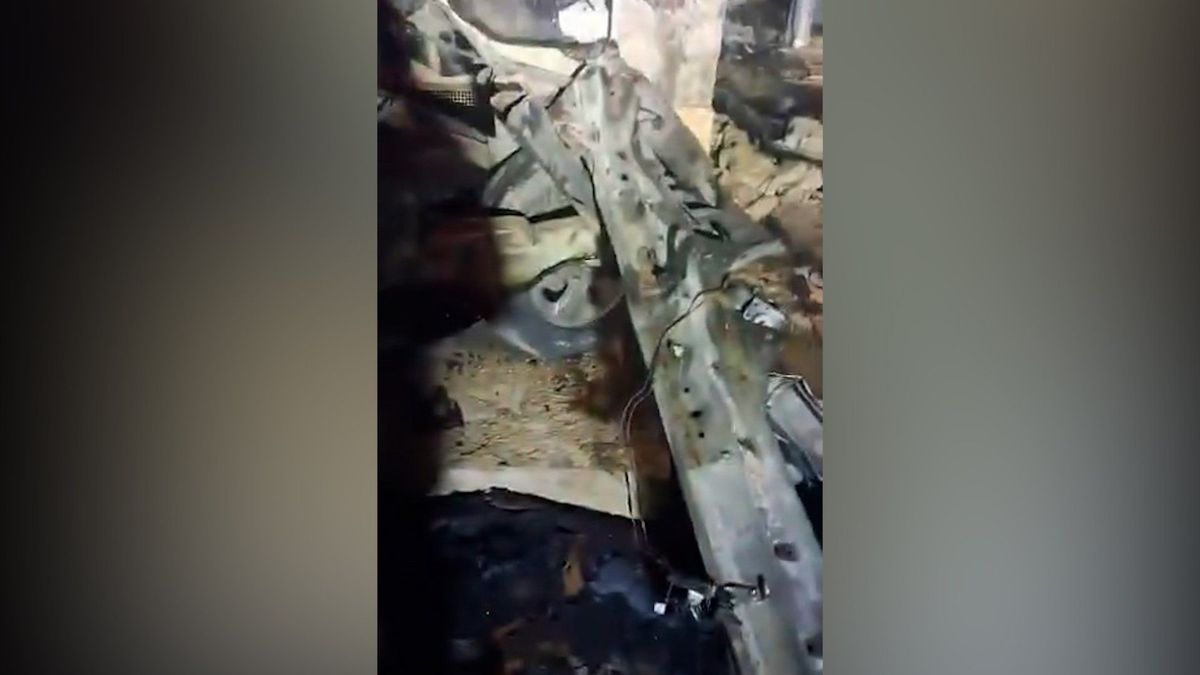
On November 14, 2026, a car bomb detonated in Jaramana, a town located just southeast of Syria's capital, Damascus. The blast resulted in the deaths of at least two people, identified as a man and a young girl. Following the explosion, Syrian security forces swiftly cordoned off the area, initiating an investigation into the incident. The attack occurred in a region largely considered under the firm control of the Syrian government, underscoring the enduring fragility of peace in the war-torn nation.
The car bomb in Jaramana is not an isolated act of random violence; it is a stark symptom of Syria's deeply fractured and militarized landscape, where multiple power centers and proxy interests continue to clash, often in the shadows. While the Syrian government under Bashar al-Assad has largely consolidated control over major urban centers and key strategic routes, the country remains a patchwork of influence zones, ripe for destabilization.
For the Syrian government, maintaining security in areas like Jaramana is paramount. These suburbs of Damascus are crucial for projecting an image of stability and normalcy, especially as the regime seeks to re-engage with regional and international actors. Jaramana itself is a diverse area, home to significant Druze and Christian populations, many of whom have historically supported or tolerated the government. An attack here undermines the narrative of a victorious and secure state, exposing vulnerabilities that the regime works hard to conceal. The incentive for the government is to swiftly identify perpetrators and demonstrate control, often through heavy-handed security measures, to deter further incidents and reassure its base.
Syria remains a chessboard for regional and global powers. Iran, a staunch ally of the Assad regime, maintains a significant military and paramilitary presence, including various Shiite militias, which operate throughout government-controlled areas. Russia, another key backer, provides military aid, air support, and political cover, ensuring the regime's survival. These external actors have their own strategic objectives, from Iran's desire to establish a land bridge to Lebanon and project regional influence, to Russia's aim of securing its naval base and reasserting its global power. Any act of destabilization, like the Jaramana bombing, could be attributed to various actors:
- Remnants of opposition groups: Despite significant defeats, pockets of anti-regime fighters, including those with extremist ideologies, may still operate sleeper cells or seek to conduct asymmetric attacks to demonstrate their continued relevance and deny the regime full victory.
- External state actors: Israel frequently conducts airstrikes against alleged Iranian and Hezbollah targets within Syria, aiming to prevent the entrenchment of its adversaries. While typically not employing car bombs in civilian areas, the broader context of covert operations by various intelligence agencies cannot be entirely discounted, particularly if the aim is to sow chaos or send a message to the Syrian government or its allies.
- Internal rivalries or criminal elements: The war has created a complex web of militias, warlords, and criminal networks. Infighting over resources, territory, or influence, sometimes disguised as political violence, is not uncommon.
The power dynamic here is one of constant, low-grade warfare where the lines between political, ideological, and criminal motives are often blurred. The attack serves as a reminder that even in areas considered
A car bomb detonated in Jaramana, a town near Damascus, on November 14, 2026, killing at least two people, including a young girl. Syrian security forces are investigating the incident.
The attack in Jaramana, an area largely under Syrian government control, highlights the persistent instability and ongoing low-intensity conflict in Syria, challenging the regime's narrative of security and control.
While an investigation is ongoing, potential perpetrators could include remnants of anti-regime opposition groups, external state actors seeking to destabilize the area, or even criminal elements involved in the war economy.
Editor's Note: Analysis relies on established geopolitical context of the Syrian conflict, as raw intelligence was minimal. Extrapolations on motives and untold stories are based on typical patterns in such conflicts.
Source referenced: ALJAZEERA
This brief was synthesized by our Editorial Engine and reviewed by The Ground Narrative team.


