TRENDING

Tuesday, 6 October 2026
----------------------
25 Rabi' Al-Thani 1448 AH
Sweden, once a beacon of liberal asylum policy, is enacting a dramatically stricter migration regime, fundamentally redefining its approach to integration and citizenship. This shift, driven by domestic political changes and broader European trends, carries significant geopolitical and social implications.
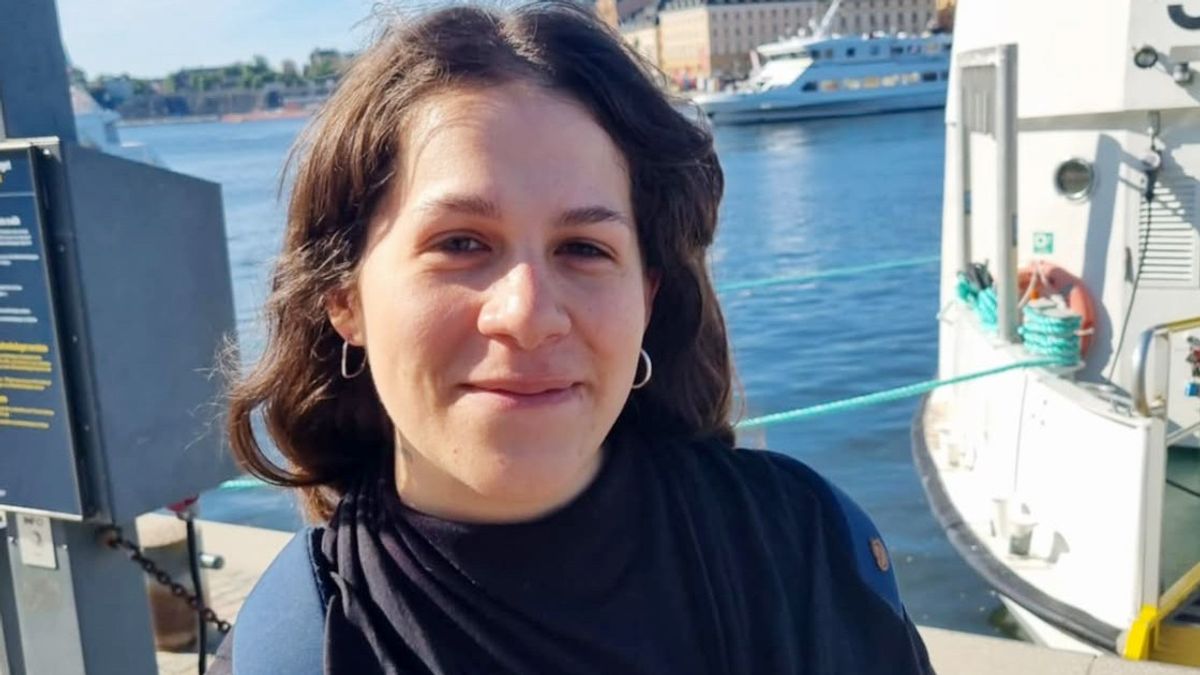
Sweden, historically recognized for its progressive and welcoming asylum policies, is undergoing a profound transformation in its approach to migration. A series of legislative changes, converging in the summer of 2026, mark a decisive pivot towards one of Europe's most restrictive immigration frameworks. This shift is not merely a tightening of existing rules but a fundamental redefinition of what it means to live in Sweden without a Swedish passport, with far-reaching geopolitical, social, and human rights implications.
The core of this new regime involves three significant policy shifts. Firstly, on June 12, Sweden opted for the strictest possible implementation of the European Union's new Migration and Asylum Pact, signaling a clear intent to minimize immigration. Secondly, a new law effective July 12 will restrict all incoming asylum seekers to temporary residence permits only, effectively eliminating the pathway to permanent residency that was once a hallmark of Sweden's integration model. This means individuals must continuously demonstrate eligibility for renewal, with factors like job loss or parental leave potentially triggering revocation. Thirdly, the controversial "informer law," set to take effect on July 13, will mandate six state agencies, including tax authorities and social services, to report suspected undocumented individuals to the police. This shatters long-standing confidentiality norms and is expected to foster deep distrust between state institutions and vulnerable populations.
Beyond these pillars, other measures further underscore the hardening stance. A new "behaviour" law allows for residency revocation based on conduct that falls short of criminal prosecution, defined in terms that legal experts deem "quite vaguely defined." Proposed family reunification laws introduce stringent financial requirements, demanding a monthly income of approximately 53,000 kronor ($5,500) for a person with two children seeking to bring a spouse to Sweden. These technicalities, such as changing visa tracks, are now sufficient grounds for deportation, as exemplified by the case of Raquel Viveira, a Brazilian national who faced removal despite having integrated into Swedish society and paid taxes.
This dramatic policy reversal is deeply rooted in Sweden's evolving political landscape and a broader European trend. The catalyst for this shift can be traced back to the 2015 European refugee crisis, when Sweden, with one of the largest per-capita inflows, received approximately 10,000 asylum seekers per week. While the number of asylum applications has since plummeted, the political discourse surrounding migration has intensified.
The 2022 general election proved to be a watershed moment. It brought to power a centre-right government that is politically dependent on the Sweden Democrats, a party with far-right roots and a staunch anti-immigration platform. The influence of the Sweden Democrats has been instrumental in pushing these stricter measures into law. Even the Social Democrats, Sweden's largest opposition party and historically a proponent of more liberal policies, have signaled a move towards a stricter migration policy, albeit with some modifications to avoid cooperation with the Sweden Democrats on certain controversial proposals. This indicates a significant, cross-party consensus shift towards a more restrictive approach.
Globally, Sweden's actions resonate within the wider European context. The EU's new Migration and Asylum Pact itself reflects a continent-wide effort to manage and reduce irregular migration. Sweden's choice to implement its strictest options, alongside the "Send them back" chants heard from far-right members in the European Parliament during a vote to speed up deportations, underscores a growing nationalist sentiment across Europe. The abstention of Sweden's Social Democrats in this vote, alone among centre-left delegations, further highlights the unique and profound nature of Sweden's internal political realignment on this issue.
The implications of these policies extend far beyond individual cases. For individuals like Leili Mehtarabbasi, a 70-year-old Iranian who has lived in Sweden without legal status for 26 years, and her family, the new laws make the asylum-seeking process "like Mission Impossible." The informer law, in particular, raises significant human rights concerns, potentially creating a climate of fear and suspicion that could deter undocumented individuals from accessing essential services like healthcare or social support, even for children.
Societally, the new regime risks eroding the social fabric of Sweden. The requirement for continuous eligibility and the vague "behaviour" law introduce an element of precarity for non-citizens, potentially fostering a sense of constant vigilance and insecurity. This could hinder integration efforts, as individuals may feel less secure in investing in their lives and communities. Employers may become reluctant to hire individuals whose residency status is uncertain, creating a marginalized underclass.
Geopolitically, Sweden's shift could influence other European nations grappling with similar migration challenges and the rise of populist movements. By adopting the strictest interpretations of EU law, Sweden sets a precedent that could be emulated, further solidifying a more fortress-Europe approach. This move also impacts Sweden's international reputation, potentially altering its image as a humanitarian leader and a champion of human rights. The long-term consequences, as noted by legal experts, often manifest years after the laws are enacted, suggesting that the full impact of this "new Sweden" is yet to be seen, but is likely to be profound and enduring.
Source referenced: ALJAZEERA
This brief was synthesized by our Editorial Engine and reviewed by The Ground Narrative team.