TRENDING

Monday, 5 October 2026
----------------------
24 Rabi' Al-Thani 1448 AH
A new movement, sparked by the Indian chief justice's reference to unemployed youth as 'cockroaches,' has brought attention to the country's struggling education system and labor market. With 367 million people between 15 and 29, India's youth are facing unprecedented challenges in finding employment, despite the country's measured GDP growth.
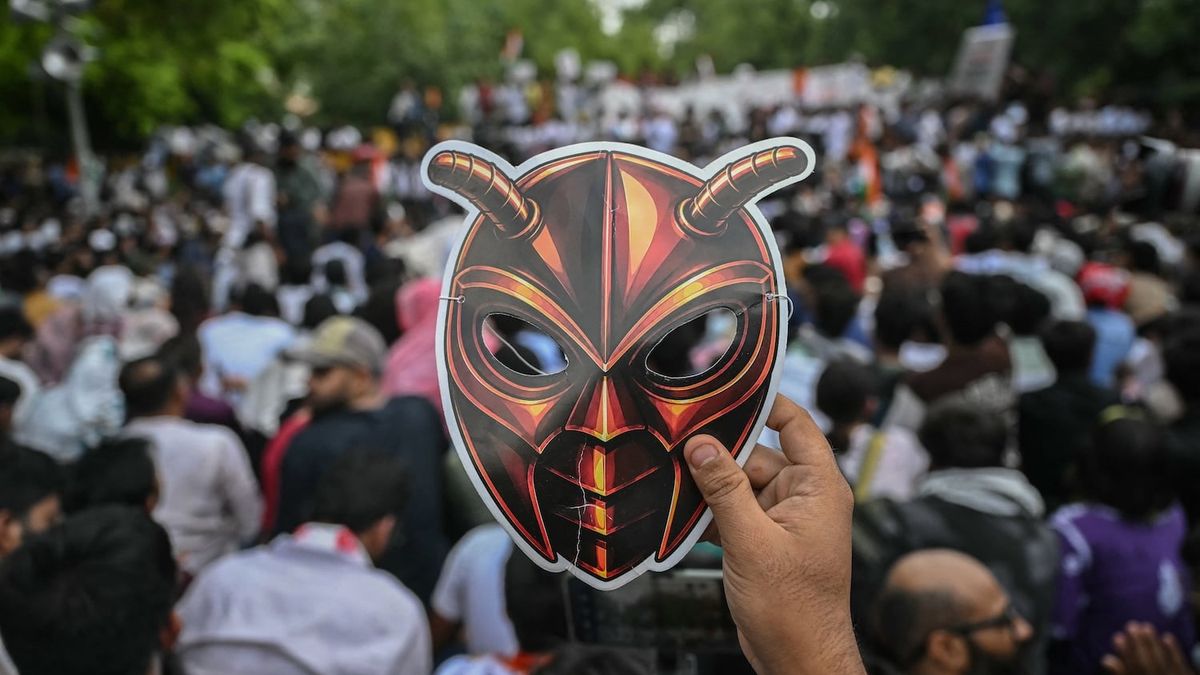
The recent protests in India, led by the Cockroach Janta Party, have highlighted the deep-seated issues with the country's education system and labor market. The movement, which began as a response to the Indian chief justice's derogatory comment, has gained momentum and forced the government to take notice. The education minister's resignation is a significant concession, but it does not address the underlying problems that have led to this point.
India's economic strategy, led by Prime Minister Narendra Modi, has produced growth, but it has not led to structural change. The country's labor market is characterized by a large informal sector, with over 75% of the population engaged in precarious or casualized work. The share of people in formal employment with regular contracts has increased, but it remains low, at around 23%. The government's focus on IT services has created a narrow pipeline of skilled workers, but it has not addressed the broader issues of education and job creation.
The human cost of India's economic stagnation is evident in the stories of young people who are struggling to find employment. Despite the country's impressive growth, many graduates are forced to take low-paying jobs or remain unemployed. The education system, which has expanded significantly in recent years, is struggling to provide quality education, particularly at the elementary level. The lack of cultural capital in households and the limited support for education in rural areas have created a significant gap in learning outcomes.
The Indian government has been downplaying the severity of the crisis, focusing on the country's GDP growth and the expansion of the education system. However, this narrative ignores the reality of the labor market and the struggles of young people. The government's response to the protests, including the use of police crackdowns and internet shutdowns, has only exacerbated the situation. The international community has also been slow to recognize the gravity of the crisis, preferring to focus on India's potential as a growing economic power.
As India's youth continue to mobilize and demand change, the government will be forced to respond. The resignation of the education minister is a significant step, but it is only the beginning. The government will need to address the underlying issues of education and job creation, including the expansion of the formal sector and the improvement of education outcomes. The international community will also need to take notice of the crisis and provide support to India as it navigates this critical juncture. The future of India's economy and its youth hangs in the balance, and the next few months will be crucial in determining the direction of the country.
Editor's Note: The analysis is based on publicly available information and may not reflect the full complexity of the situation on the ground.
Source referenced: FOREIGNPOLICY
This brief was synthesized by our Editorial Engine and reviewed by The Ground Narrative team.


