TRENDING

Tuesday, 6 October 2026
----------------------
25 Rabi' Al-Thani 1448 AH
US President Donald Trump's plan to declare the Strait of Hormuz a US 'territory' has significant implications for global oil supplies and the ongoing conflict with Iran. The move is likely to escalate tensions and have far-reaching consequences for the region and the world.
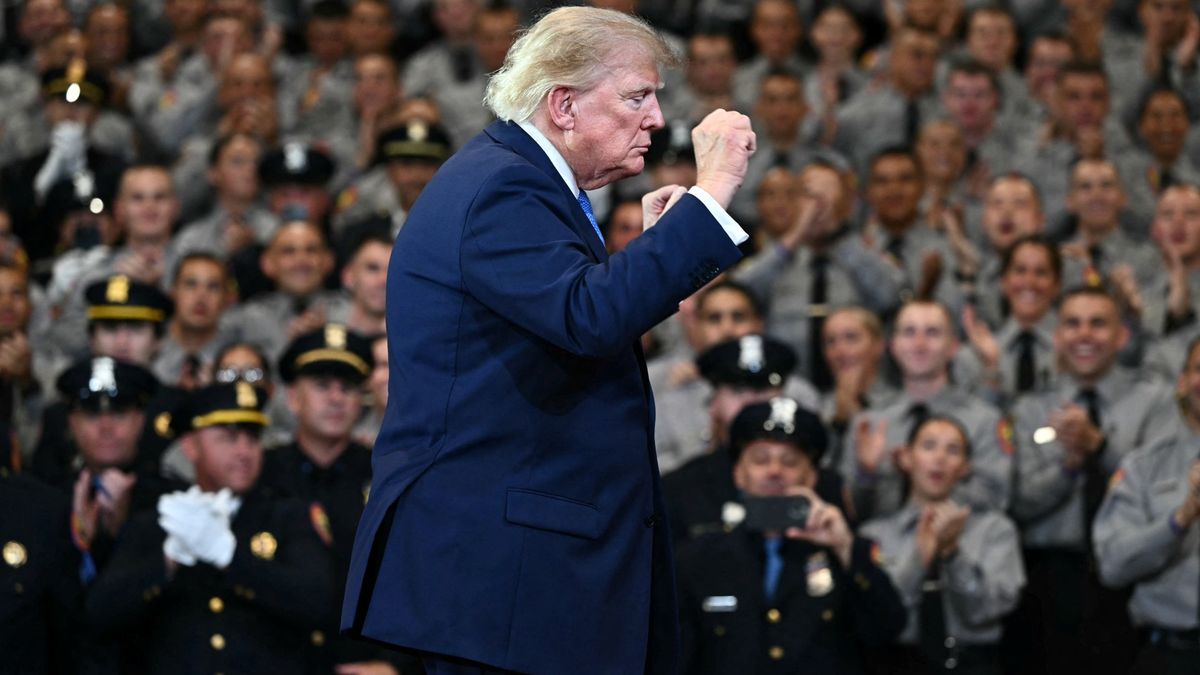
US President Donald Trump has announced plans to declare the Strait of Hormuz a 'territory' of the United States, a move that is likely to escalate tensions with Iran and have significant implications for global oil supplies. The Strait of Hormuz is a vital waterway that connects the Persian Gulf to the Gulf of Oman and is a critical route for the global supply of oil, natural gas, and fertilizers.
The US and Iran have been at war since February 28, with the US and its allies launching a series of aggressive strikes against Iranian targets. Iran has responded by restricting traffic through the Strait of Hormuz, which has been a major sticking point in ceasefire negotiations between the two countries. The US has established a blockade in the strait, which it claims is a public service for countries that rely on traffic through the waterway. However, this move is likely to be seen as a power grab by the US, and Iran has already responded with defiance.
The conflict between the US and Iran has already had significant human costs, with civilians and commercial vessels caught in the crossfire. The restriction of traffic through the Strait of Hormuz has disrupted global oil supplies and has had a devastating impact on the economies of countries that rely on the waterway. The US blockade has also led to the targeting of commercial vessels, with the US firing on a cargo vessel it accused of attempting to reach Iranian ports. The human cost of this conflict is likely to escalate if the US declares the Strait of Hormuz a US 'territory', as it will lead to further militarization of the region and increased tensions between the US and Iran.
What is being downplayed by the US and other powerful actors is the fact that the declaration of the Strait of Hormuz as a US 'territory' is a clear violation of international law. The United Nations Convention on the Law of the Sea (UNCLOS) protects the free transit of commercial maritime vessels, and the US move is likely to be seen as a blatant disregard for international law. Additionally, the US is also floating the idea of imposing tolls on commercial traffic in the strait, which is also illegal under international law. The fact that the US is willing to disregard international law in pursuit of its interests is a significant concern and has far-reaching implications for global governance and the rule of law.
Readers should watch for the response of the international community to the US declaration of the Strait of Hormuz as a US 'territory'. The move is likely to be met with significant opposition from countries that rely on the waterway, as well as from international organizations such as the United Nations. The US is also likely to face significant resistance from Iran, which has already responded with defiance to the US move. The escalation of tensions between the US and Iran is likely to have significant implications for global oil supplies and the global economy, and readers should watch for developments in the region closely.
Editor's Note: The analysis is based on publicly available information and may not reflect the full complexity of the situation.
Source referenced: ALJAZEERA
This brief was synthesized by our Editorial Engine and reviewed by The Ground Narrative team.