TRENDING

Monday, 5 October 2026
----------------------
24 Rabi' Al-Thani 1448 AH
A decades-old US embargo has intensified its grip on Cuba's energy supply, plunging the island into severe blackouts and crippling essential services. Ordinary Cubans bear the brunt of a geopolitical struggle for power and influence.
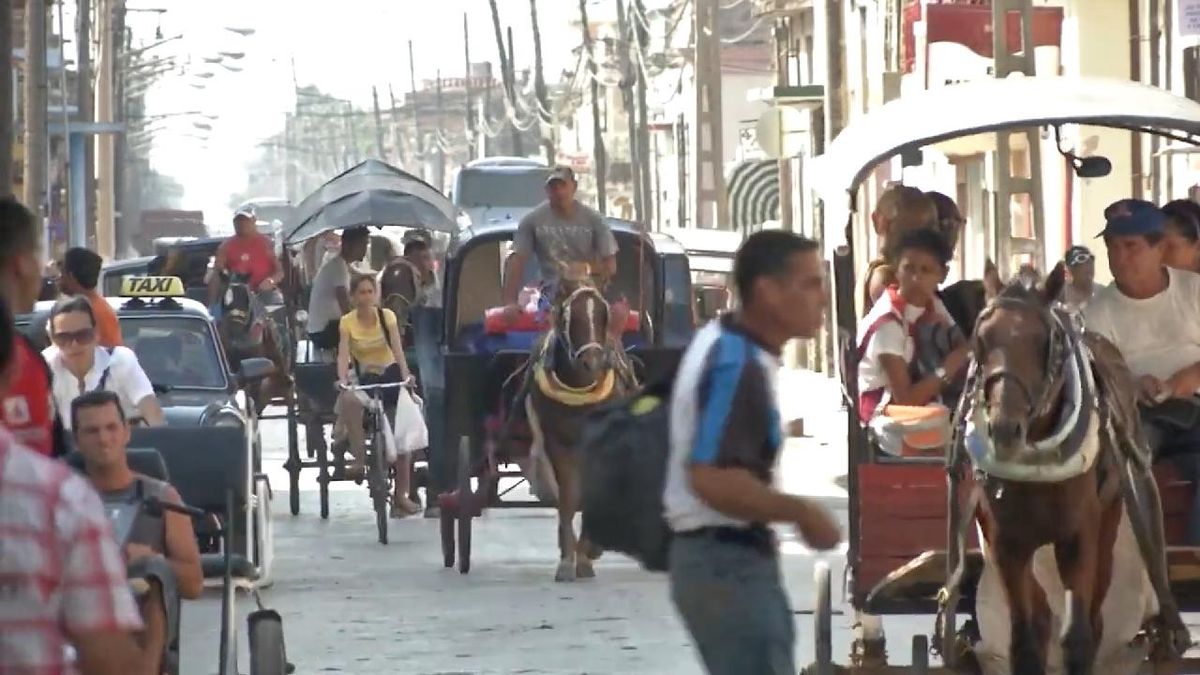
For the past six months, Cuba has faced a severe escalation of the U.S. energy embargo, leading to widespread and prolonged power outages. Reports indicate that hospitals are struggling to operate critical equipment, residential areas endure blackouts lasting up to 20 hours, and a lack of fuel has paralyzed transportation, cooking, and even access to drinking water due to non-functional pumps. This intensified pressure marks a significant challenge to the island's already fragile infrastructure and daily life.
The current energy crisis is not an isolated event but a direct consequence of the long-standing U.S. economic embargo against Cuba, which has been in place for over six decades. Initially imposed in the early 1960s following the Cuban Revolution, the embargo aims to exert economic pressure to force political change on the island. Over the years, its scope has expanded and contracted, but its core objective — to isolate Cuba economically — remains. The recent intensification specifically targets energy, leveraging the global financial system's reliance on the U.S. dollar to deter international companies from supplying Cuba with oil and refined products. The power dynamic is clear: the U.S. uses its immense economic and financial leverage to choke off Cuba's access to vital resources, effectively weaponizing the global economy. For Washington, this policy is often framed as a means to promote democracy and human rights, while for Havana, it is an assault on its sovereignty and a primary cause of its economic woes. The Cuban government, in turn, seeks to maintain its socialist system and political independence, often turning to allies like Venezuela, Russia, and China for support, though these lifelines are themselves vulnerable to U.S. pressure.
The human cost of this energy squeeze is borne almost entirely by ordinary Cuban citizens. The blackouts are not just an inconvenience; they are a fundamental disruption to health, safety, and basic survival. Hospitals, already under-resourced, struggle to maintain sanitation and power life-saving equipment. Families are left without refrigeration for food, clean water, or the means to cook meals. The lack of transportation fuel cripples public services and makes daily commutes a significant ordeal. Small businesses, critical for local economies, cannot operate, leading to job losses and further economic hardship. The emotional toll of constant uncertainty and deprivation, coupled with the inability to access essential services, creates a profound sense of desperation and contributes to increased migration pressures, as many Cubans seek relief elsewhere.
What is often downplayed in official statements from Washington is the direct humanitarian impact of these sanctions. U.S. policy makers frequently assert that sanctions target the Cuban government, not its people, yet the reality on the ground demonstrates a clear and devastating effect on daily life. There is also little public acknowledgment of how domestic U.S. politics, particularly the influence of the Cuban-American diaspora in Florida, perpetuates a hardline stance that often overrides broader diplomatic or humanitarian considerations. From Cuba's perspective, while the embargo is the primary external factor, internal economic inefficiencies and a centralized system also contribute to the crisis, though these are often overshadowed by the external pressure. The long-term effectiveness of the embargo in achieving its stated goals of regime change is also rarely scrutinized, despite decades of evidence suggesting it has largely failed to do so, instead entrenching the current government and fostering resentment.
Moving forward, several factors will determine the trajectory of this crisis. Observers should watch for any shifts in U.S. policy, particularly in the lead-up to future elections, as political calculations can influence the intensity of the embargo. Cuba's ability to secure alternative energy supplies from non-traditional partners, potentially bypassing U.S. financial systems, will be critical. The resilience of the Cuban population and the potential for increased social unrest or further waves of migration will also be key indicators. Internationally, calls for humanitarian aid and a relaxation of sanctions may grow louder, putting pressure on both Washington and Havana to find a path forward that prioritizes the well-being of the Cuban people over geopolitical maneuvering.
Source referenced: CGTN
This brief was synthesized by our Editorial Engine and reviewed by The Ground Narrative team.


