TRENDING

Monday, 5 October 2026
----------------------
24 Rabi' Al-Thani 1448 AH
Amnesty International's latest report details widespread atrocities, including ethnic cleansing and deliberate targeting of children, by the Rapid Support Forces (RSF) during the siege and capture of El-Fasher, North Darfur. The findings underscore the escalating humanitarian crisis and potential for genocide in Sudan's ongoing civil war.
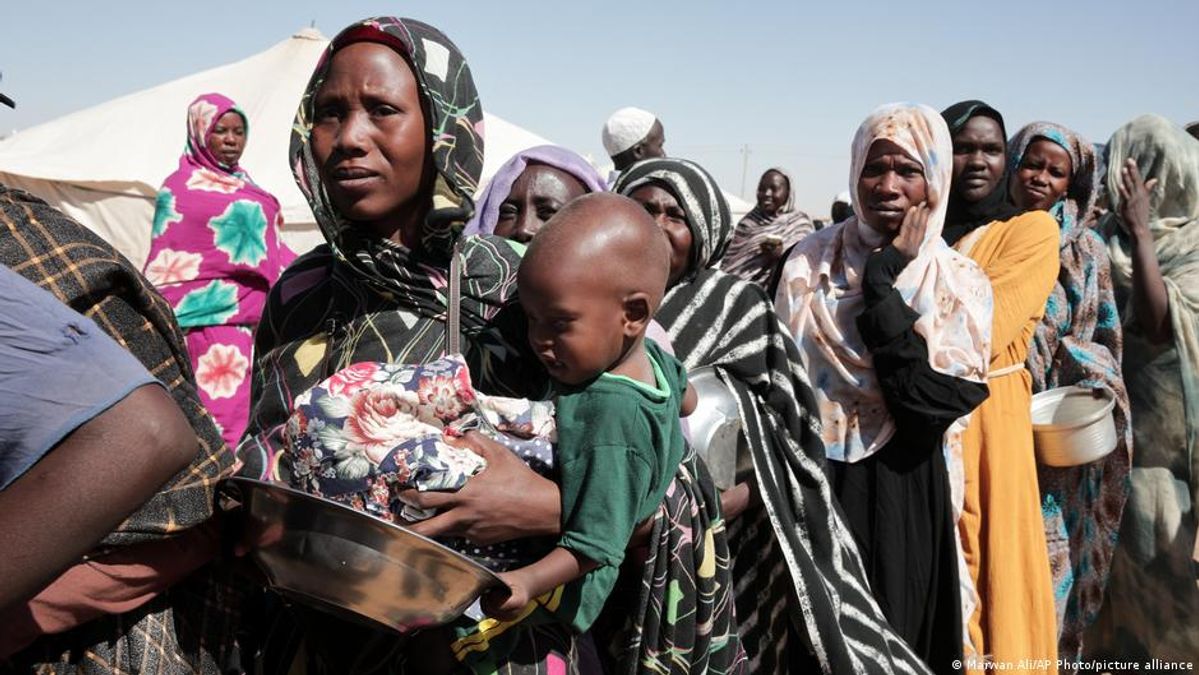
A new report by Amnesty International has brought renewed international attention to the brutal conflict in Sudan, specifically detailing alleged crimes against humanity and ethnic cleansing committed by the Rapid Support Forces (RSF) during their siege and capture of El-Fasher, the capital of North Darfur. Released on Wednesday, the research, titled "City Under Siege, Children Under Fire: Rapid Support Forces' Crimes Against Humanity in North Darfur," compiles testimonies from 247 victims and witnesses interviewed between early 2024 and October 2025, painting a grim picture of systematic violence.
The report's findings are particularly alarming, alleging that the RSF systematically attacked settlements around El-Fasher inhabited by the Zaghawa people, an ethnic group in western Darfur. This systematic targeting, coupled with widespread and deliberate violence against children—including killing, abductions, forced recruitment, and rape—has led Amnesty International Secretary General Agnes Callamard to describe the conflict as a "war on civilians." Callamard emphasized that children were not merely collateral damage but were often deliberately targeted, suffering immense harm. These accusations echo an independent UN fact-finding mission's conclusion in February that the 2025 assault on El-Fasher bore the "hallmarks of genocide," drawing disturbing parallels to the Darfur genocide that began in 2003.
The fall of El-Fasher in October 2025 marked a significant strategic victory for the RSF. For over a year, the city had remained one of the last major strongholds in Darfur under the control of the Sudanese Armed Forces (SAF). Its capture consolidates the RSF's grip on the Darfur regions, contributing to what observers describe as a de facto partition of Sudan. This territorial control is crucial for the RSF, which has established a rival administration it calls the "Government of Peace and Unity," further complicating any prospects for a unified national government or lasting peace.
The conflict, which erupted in April 2023 following the collapse of a fragile alliance between the SAF and the RSF, has plunged Sudan into a devastating civil war. Tens of thousands have been killed, and millions displaced, creating one of the world's most severe humanitarian crises. The RSF's historical roots in the notorious Janjaweed militia, responsible for the 2003 genocide against non-Arab groups in Darfur, add a chilling layer of historical continuity to the current allegations. The systematic nature of the abuses, as highlighted by Amnesty, suggests that those in positions of authority within the RSF were aware of the atrocities and failed to prevent them or hold perpetrators accountable.
Amnesty's report specifically implicates several RSF commanders. It details how RSF members filmed and publicly shared videos of mass executions, with 19 verified videos showing a large massacre near a berm that prevented civilians from fleeing. Notably, Al-Fateh Abdullah Idris, known as 'Abu Lulu,' was allegedly seen executing captives in civilian clothing in nine of these videos. Despite reports of his arrest by the RSF, subsequent news outlets, citing sources within both the RSF and SAF, suggest Abu Lulu has been released and is again leading troops—claims the RSF denies. The report also names Major General Gedo Hamdan Ahmed Mohamed ('Abu Shouk') and Lieutenant Colonel Abbas Khater Bhakit for their alleged roles in directing interrogations, participating in torture, and ordering the torture of prisoners at the Mina al-Bari detention facility.
The international community has been repeatedly warned about the escalating risks during the protracted siege of El-Fasher. Agnes Callamard's call for an immediate nationwide ceasefire and the deployment of an international force to protect civilians underscores the urgency of the situation. Without decisive action, the attacks on civilians and children are expected to continue unhindered, further deepening a humanitarian catastrophe that has already seen millions facing famine and displacement. The ongoing conflict in Sudan represents a profound challenge to international humanitarian law and the principle of the Responsibility to Protect, demanding a more robust and coordinated global response to prevent further atrocities and ensure accountability for those responsible for these grave crimes.
Source referenced: DW
This brief was synthesized by our Editorial Engine and reviewed by The Ground Narrative team.