TRENDING

Tuesday, 6 October 2026
----------------------
25 Rabi' Al-Thani 1448 AH
Typhoon Dolphin has brought devastating floods to China, highlighting the country's vulnerability to extreme weather events. As the world's most populous nation struggles to cope with the aftermath, the true cost of climate change is only just beginning to emerge. The Chinese government's response to the disaster will be crucial in mitigating the human impact and ensuring the country's economic stability.
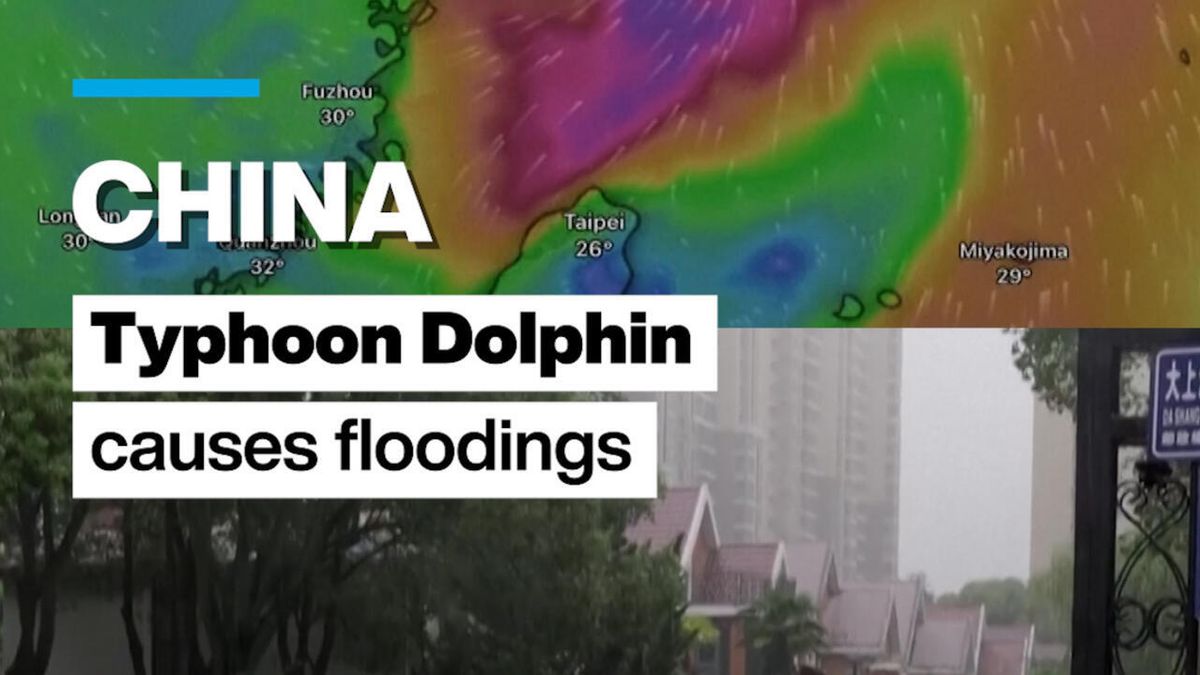
Typhoon Dolphin, the 13th typhoon to hit China this year, has caused widespread flooding and destruction across the country. The storm, which intensified after sweeping through Japan's Okinawa and the Philippines, is a stark reminder of the devastating power of extreme weather events.
China's vulnerability to typhoons and floods is closely tied to its rapid industrialization and urbanization. The country's economic growth has come at a significant environmental cost, with deforestation, soil erosion, and pollution exacerbating the impact of extreme weather events. The Chinese government's response to the disaster will be shaped by its desire to maintain economic stability and minimize the political fallout. Beijing's priorities will likely focus on providing aid and relief to affected areas, while also ensuring that the disaster does not disrupt the country's critical infrastructure and supply chains.
The true cost of Typhoon Dolphin will be borne by the millions of people affected by the floods. Rural communities, already struggling to cope with the effects of climate change, will be disproportionately affected by the disaster. The Chinese government's response to the crisis will be critical in determining the extent of the human impact. The government's ability to provide adequate aid and relief will be closely watched, particularly in light of its recent efforts to promote economic development and social stability.
While the Chinese government has been quick to respond to the disaster, there are concerns that the true extent of the damage may be downplayed or obscured. The government's control over the media and information flow may limit the ability of independent journalists and observers to report on the disaster, potentially hiding the true scale of the devastation. Furthermore, the impact of Typhoon Dolphin on China's already-strained relationships with its neighbors, particularly Taiwan, may be significant. The disaster may provide an opportunity for Beijing to assert its influence in the region, potentially at the expense of Taiwan's sovereignty.
As the situation in China continues to unfold, there are several key factors to watch. The Chinese government's response to the disaster will be critical in determining the extent of the human impact and the country's economic stability. The international community's response to the disaster will also be important, particularly in terms of providing aid and support to affected areas. The impact of Typhoon Dolphin on China's relationships with its neighbors, particularly Taiwan, will be closely watched, as will the potential for the disaster to exacerbate existing tensions in the region.
Editor's Note: The analysis is based on publicly available information and may not reflect the full extent of the situation on the ground.
Source referenced: FRANCE24
This brief was synthesized by our Editorial Engine and reviewed by The Ground Narrative team.