TRENDING

Tuesday, 6 October 2026
----------------------
25 Rabi' Al-Thani 1448 AH
Sudan's civil war is not a proxy war in the classical sense, but international support has significantly contributed to its ongoing nature. Analysts warn that without international backing, the conflict would not persist.
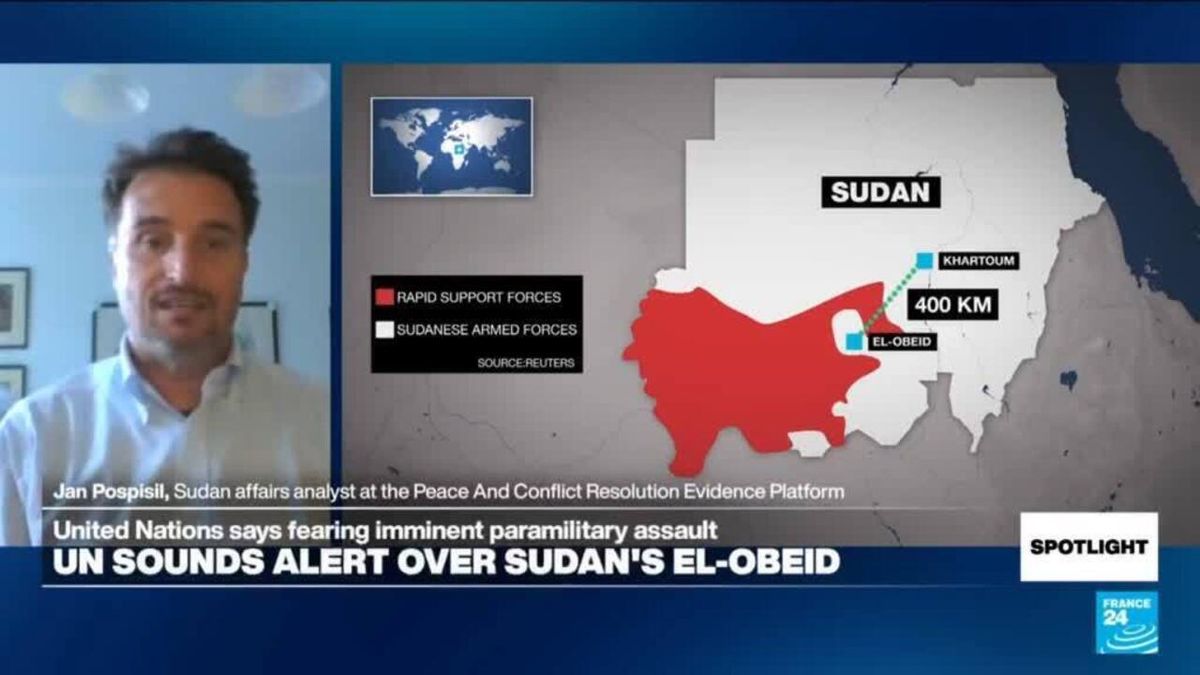
Sudan's ongoing civil war has been a subject of concern for the international community, with various actors providing support to the warring parties. However, the conflict's nature has been mischaracterized as a proxy war. According to Jan Pospisil, Sudan Affairs Analyst at the Peace and Conflict Resolution Evidence Platform, the war is not a proxy war in the literal sense. Instead, international support has significantly contributed to its ongoing nature.
The Rapid Support Forces (RSF), a key player in the conflict, has received arms and support from the United Arab Emirates (UAE). Meanwhile, the United States and Saudi Arabia have also been involved in the conflict, albeit with limited leverage to lead the warring parties to a ceasefire or a deal. The lack of international pressure has allowed the conflict to persist, with both sides refusing to negotiate a peaceful resolution.
Sudan's civil war has its roots in the country's complex history, with various ethnic and regional groups vying for power. The conflict has also been fueled by external factors, including the presence of international actors. The region's instability has significant implications for regional security, with neighboring countries such as Egypt and Ethiopia closely monitoring the situation.
The ongoing conflict in Sudan has far-reaching consequences for the region and the international community. The lack of a peaceful resolution will continue to destabilize the region, with potential spillover effects on neighboring countries. The international community must take a more active role in promoting a peaceful resolution to the conflict, rather than simply providing support to one side or the other.
Sudan's civil war is a complex and multifaceted conflict, with international players playing a significant role in its ongoing nature. The conflict's persistence is a result of the lack of international pressure and the refusal of the warring parties to negotiate a peaceful resolution. The international community must take a more active role in promoting a peaceful resolution to the conflict, rather than simply providing support to one side or the other.
Source referenced: FRANCE24
This brief was synthesized by our Editorial Engine and reviewed by The Ground Narrative team.