TRENDING

Monday, 5 October 2026
----------------------
24 Rabi' Al-Thani 1448 AH
Europe is grappling with unprecedented wildfires and heatwaves, exposing the continent's vulnerability to climate change. This analysis unpacks the power dynamics behind the crisis and the human cost often overlooked in official narratives.
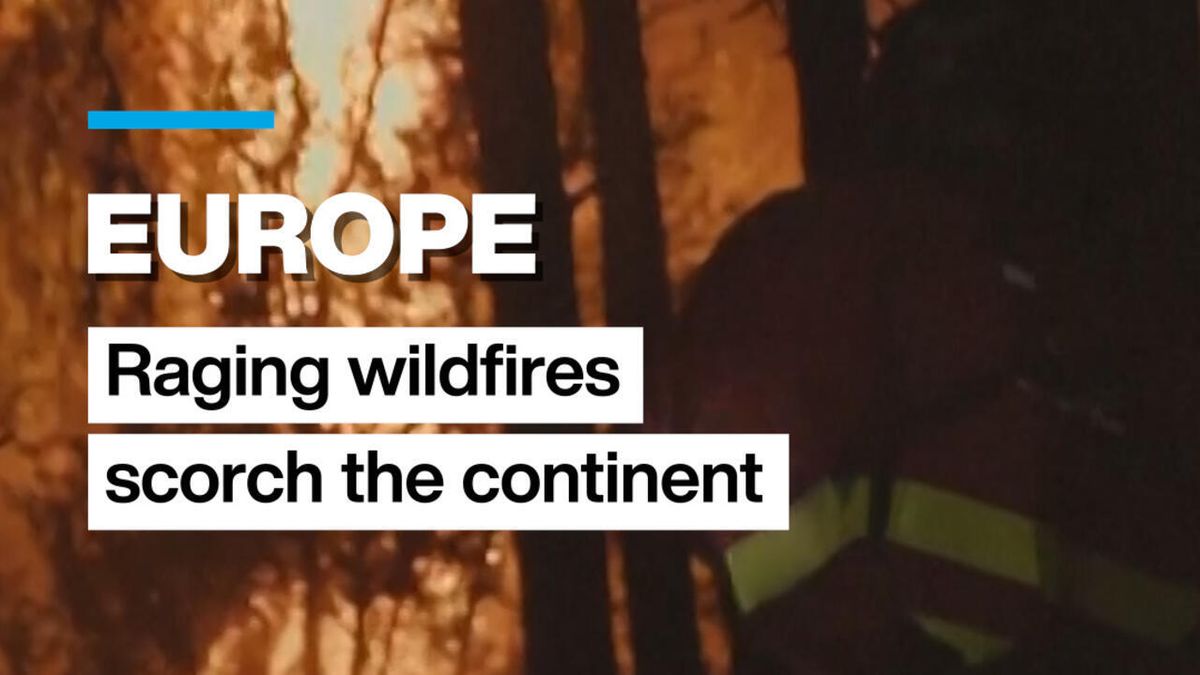
August 2026 saw vast swathes of Europe consumed by raging wildfires, fueled by record-breaking heatwaves. From the Mediterranean coasts to historically cooler northern regions, firefighters battled blazes as temperatures soared, marking yet another summer of extreme weather events directly linked to human-caused climate change.
The immediate crisis of wildfires and heatwaves in Europe highlights a fundamental tension in power dynamics: the conflict between short-term political cycles and the long-term imperative of climate action. Governments are incentivized to address immediate economic concerns and maintain stability, often at the expense of comprehensive, politically challenging climate policies. The economic interests tied to fossil fuels, deeply embedded in national economies and powerful lobbying groups, exert significant pressure against rapid decarbonization. While EU institutions attempt to coordinate climate targets, national sovereignty often allows member states to prioritize domestic economic stability or energy security, leading to a fragmented approach to a continent-wide threat. The cost of investing in robust adaptation measures—such as enhanced firefighting capabilities, resilient infrastructure, and public health systems equipped for extreme heat—is often weighed against other pressing budgetary demands, making proactive investment a difficult political sell until a crisis hits.
The human cost of Europe's burning summer is borne disproportionately by its most vulnerable. Elderly populations, individuals with pre-existing health conditions, and low-income households lacking adequate cooling infrastructure are directly exposed to the health risks of extreme heat. Rural communities, particularly those reliant on agriculture, forestry, and tourism, face devastating losses of homes, livelihoods, and natural capital. Farmers watch their crops wither and livestock suffer, while small businesses in affected regions see their peak season vanish. Beyond the immediate destruction, the psychological toll on those displaced, those who lose everything, and the frontline firefighters battling relentless infernos is immense. These are the populations whose voices are often marginalized in the high-level policy discussions about climate targets and economic transitions.
Official statements and government responses often focus on the immediate, heroic efforts of emergency services and the provision of aid, framing the events as 'natural disasters.' While crucial, this narrative frequently downplays or omits the systemic failures and delayed policy actions that exacerbate such crises. Powerful actors, including governments and corporations, often shy away from acknowledging the true scale of long-term infrastructure overhauls and societal transformations required to adapt to a rapidly changing climate. The economic burden of transitioning away from fossil fuels is frequently emphasized, while the far greater, compounding costs of climate inaction—economic losses from destroyed agriculture, infrastructure damage, health crises, and lost productivity—are often understated or deferred. The framing deflects from the uncomfortable truth that these are not merely 'acts of nature' but consequences amplified by decades of policy choices and vested interests.
Going forward, observers should watch for several critical indicators. First, the political will to move beyond reactive disaster response to proactive climate adaptation and mitigation will be key. This includes significant investment in resilient infrastructure, early warning systems, and public health initiatives designed for extreme heat. Second, monitor whether the economic losses from these events translate into stronger, enforceable EU-wide climate policies, or if national interests continue to dilute collective action. Third, pay close attention to the insurance industry, which is already recalibrating risk models; rising premiums and reduced coverage in vulnerable regions could expose the true economic fragility of current climate strategies. Finally, the social cohesion within affected communities and the potential for climate-induced migration within and across European borders will be a crucial, often overlooked, dimension of this evolving crisis.
Source referenced: FRANCE24
This brief was synthesized by our Editorial Engine and reviewed by The Ground Narrative team.


