TRENDING

Monday, 5 October 2026
----------------------
24 Rabi' Al-Thani 1448 AH
The US and Iran are locked in a high-stakes game of compensation and control over the Strait of Hormuz, with President Trump demanding payment for 50 years of damages and Tehran conditioning the reopening of the strait on war reparations and an end to sanctions. The standoff has significant implications for global oil prices and the regional balance of power.
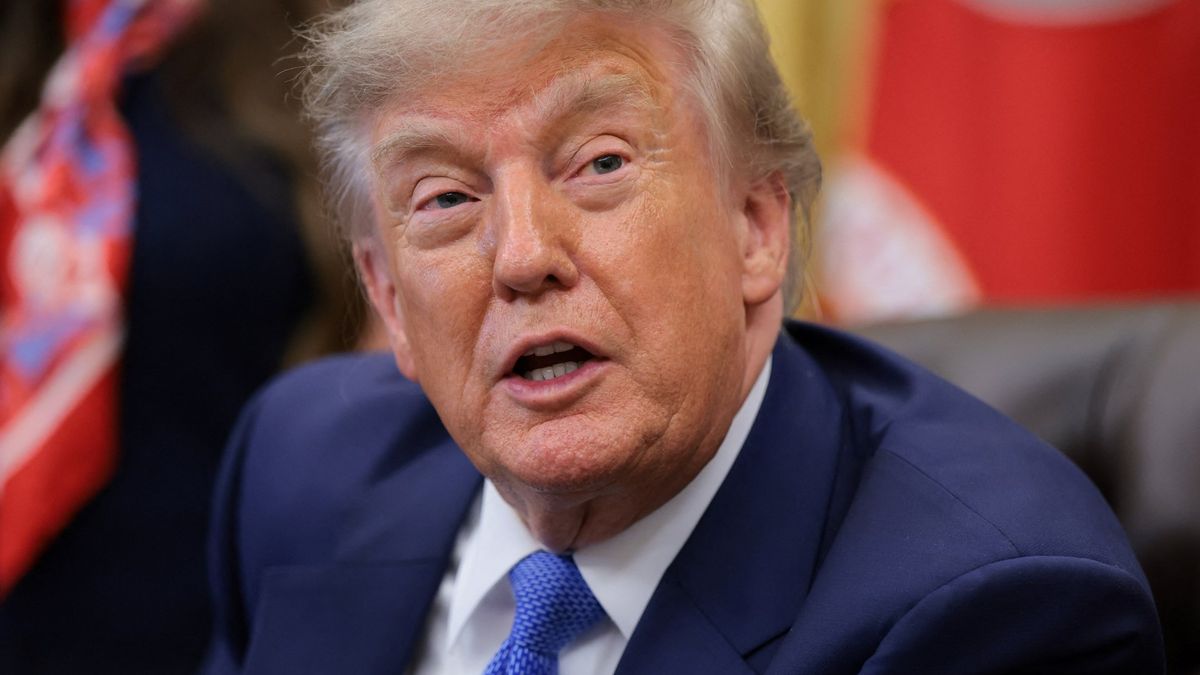
The United States and Iran are engaged in a tense standoff over the Strait of Hormuz, a critical waterway that connects the Persian Gulf to the Arabian Sea. President Trump has demanded compensation from Iran for damages caused by the country over the past 50 years, including deaths among US forces and civilian protesters. In response, Tehran has conditioned the reopening of the strait on receiving war reparations from Washington and an end to sanctions.
The Strait of Hormuz is a vital chokepoint for global oil exports, with approximately 20% of the world's oil passing through the waterway. The US and Iran are locked in a struggle for control over the strait, with Washington seeking to maintain its naval dominance and Tehran attempting to assert its sovereignty. The US has imposed a naval blockade on Iranian ports, which has effectively halted Iranian oil exports and pushed up global oil prices. The Iranian government, meanwhile, has been seeking to negotiate a deal with Oman to establish new shipping lanes through the strait.
The standoff over the Strait of Hormuz has significant human costs, particularly for the people of Iran. The US-backed sanctions have crippled the Iranian economy, leading to widespread poverty and unemployment. The war between the US and Iran has also resulted in significant loss of life, with estimates suggesting that over 7,000 people have been killed in the conflict. The blockade of Iranian ports has also had a devastating impact on the country's economy, with many businesses struggling to survive.
One aspect of the standoff that has received little attention is the role of Oman in the negotiations. The Omani government has been seeking to establish itself as a key player in regional diplomacy, and its talks with Iran over the Strait of Hormuz are a significant development. However, the US has been seeking to undermine these efforts, with President Trump's demands for compensation from Iran likely to complicate the negotiations. Another aspect of the standoff that has been downplayed is the impact of the US naval blockade on the environment. The blockade has resulted in a significant increase in oil tanker traffic through the strait, which poses a major risk to the region's fragile ecosystem.
As the standoff over the Strait of Hormuz continues, there are several key developments to watch. The US and Iran are likely to continue their game of compensation and control, with each side seeking to assert its dominance over the waterway. The Omani government will also play a critical role in the negotiations, and its ability to broker a deal between the US and Iran will be closely watched. The human cost of the standoff will also continue to rise, with the people of Iran bearing the brunt of the conflict. As the situation continues to escalate, it is likely that the international community will become increasingly involved, with the United Nations and other global powers seeking to broker a peaceful resolution to the conflict.
Editor's Note: The situation in the Strait of Hormuz is highly fluid and subject to change. The analysis presented here is based on current information and may not reflect future developments.
Source referenced: ALJAZEERA
This brief was synthesized by our Editorial Engine and reviewed by The Ground Narrative team.


