TRENDING

Monday, 5 October 2026
----------------------
24 Rabi' Al-Thani 1448 AH
Iran has set strict conditions for reopening the Strait of Hormuz, including the lifting of the US naval blockade and compensation for war damages. As tensions escalate, the human cost of conflict in the region continues to rise. The Strait of Hormuz is a critical waterway, with nearly a third of the world's oil passing through it, making it a significant point of contention between global powers.
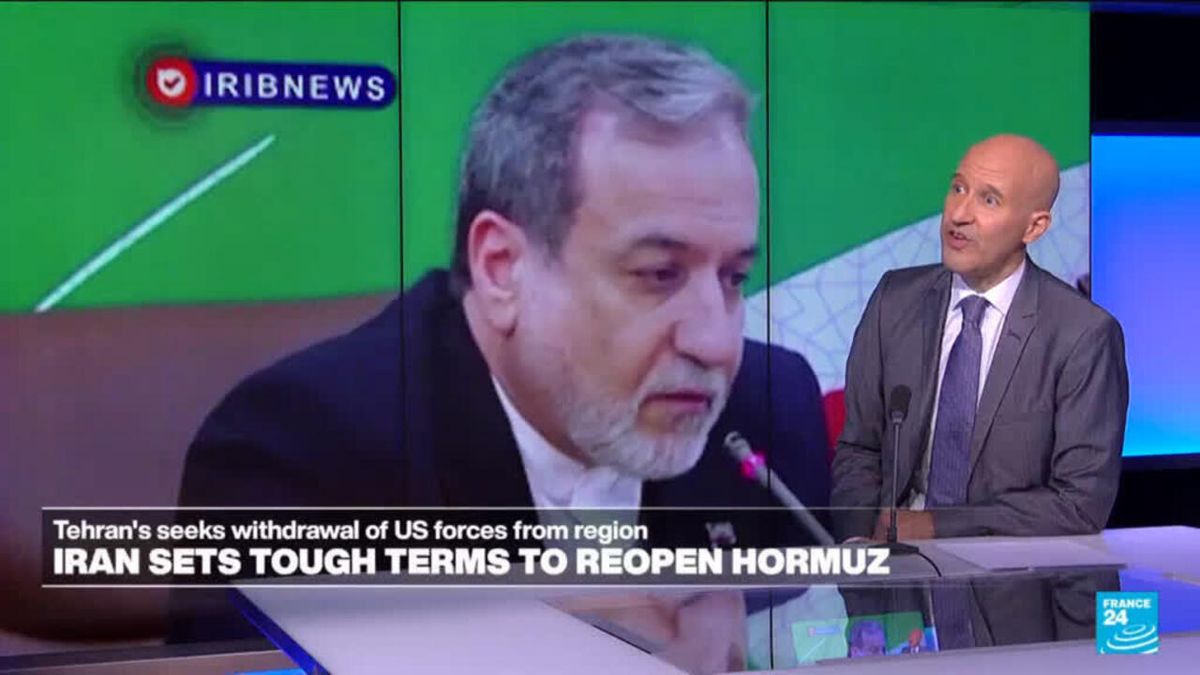
Iran's national security chief has outlined a list of demands that the US must meet before Tehran reopens the Strait of Hormuz. These demands include lifting the US naval blockade of Iranian ports, compensation for war damages, and the release of frozen Iranian assets. This move comes as Iran and Oman are reportedly close to reaching a deal on managing the strategic waterway.
The Strait of Hormuz is a critical chokepoint in the global oil trade, with nearly a third of the world's oil passing through it. The US and its allies have long been concerned about Iran's ability to disrupt oil shipments through the strait, and have maintained a significant naval presence in the region. Iran, on the other hand, sees the strait as a vital lifeline for its economy, and has threatened to close it in response to US sanctions and military pressure. The current situation is a classic example of the prisoner's dilemma, where both sides have an incentive to escalate tensions, but ultimately risk losing more than they gain.
The conflict in the region has already had a significant human cost. Civilians in Iran and surrounding countries are bearing the brunt of the economic sanctions and military escalation. The blockade of Iranian ports has limited the country's ability to import essential goods, including food and medicine. The freezing of Iranian assets has also made it difficult for the country to access foreign currency, further exacerbating the economic crisis. As the situation continues to escalate, the human cost will only continue to rise.
What is being downplayed in the current narrative is the role of other regional actors, such as Saudi Arabia, Turkey, and Pakistan. These countries have recently signed a defense pact, which could potentially draw them into the conflict. The Oman-Iran deal on managing the Strait of Hormuz is also being touted as a positive development, but its implications for the regional balance of power are still unclear. Furthermore, the US's long-term strategy in the region is still shrouded in mystery, with some analysts suggesting that the current escalation is part of a larger plan to contain Iran's influence.
As the situation continues to unfold, readers should watch for any signs of a US-Iran diplomatic breakthrough, which could potentially lead to a reduction in tensions. They should also monitor the role of other regional actors, such as Saudi Arabia and Turkey, and how they respond to the current escalation. Finally, readers should keep an eye on the humanitarian situation in the region, and how the conflict is affecting civilians in Iran and surrounding countries.
Editor's Note: The analysis is based on publicly available information and may not reflect the full complexity of the situation on the ground.
Source referenced: FRANCE24
This brief was synthesized by our Editorial Engine and reviewed by The Ground Narrative team.


