TRENDING

Monday, 5 October 2026
----------------------
24 Rabi' Al-Thani 1448 AH
Iran has issued new demands for the Strait of Hormuz, despite a previous US agreement on many points, highlighting how vague diplomatic language can destabilize critical global trade routes. This ongoing friction underscores the fragility of international agreements and the constant pressure on global energy markets.
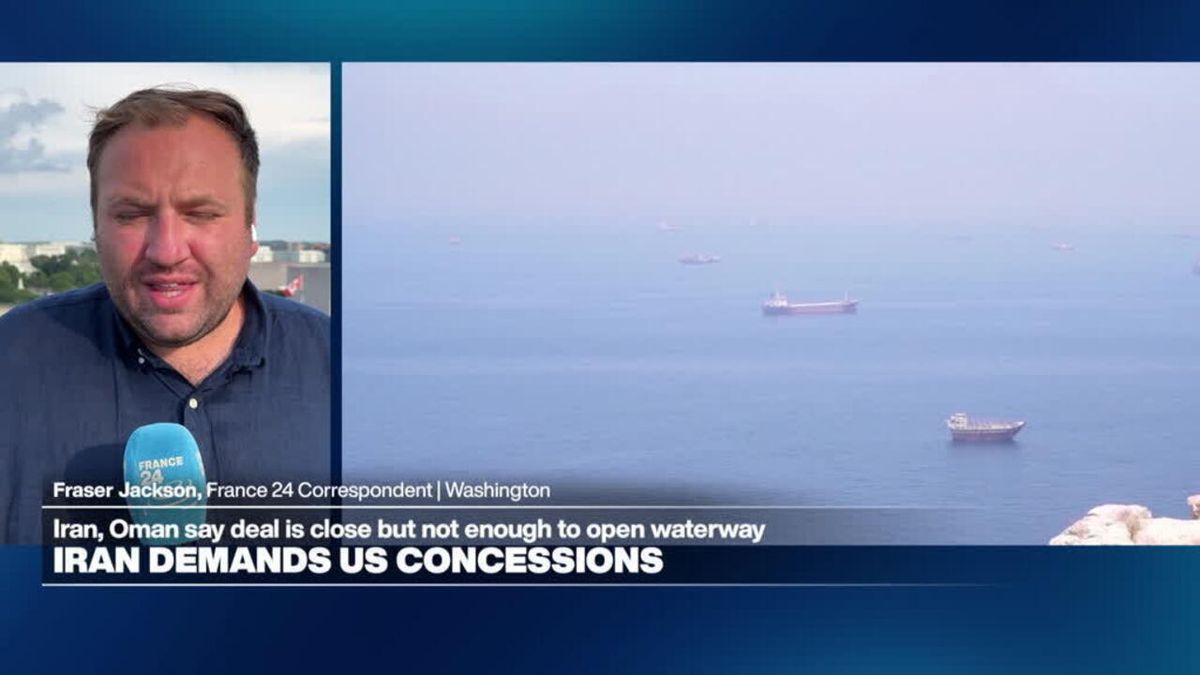
Iran recently presented a new set of demands regarding the reopening and navigation of the Strait of Hormuz, a critical global maritime chokepoint. This move comes despite reports that many of these very demands had already been addressed and agreed upon by the United States in a Memorandum of Understanding (MoU) signed between the two nations in Islamabad just months prior. The core issue, according to observers, lies in the "broad" and thus ambiguous language used in the initial agreement, allowing for differing interpretations and renewed friction.
This diplomatic dance over the Strait of Hormuz is a classic display of power projection and strategic leverage. For Iran, controlling or influencing the Strait is its primary non-nuclear deterrent and a vital tool to assert regional dominance and extract concessions from global powers. Its ability to threaten the closure or restrict passage through the Strait directly impacts global oil prices and supply chains, giving Tehran significant economic and political leverage. The US, on the other hand, seeks to ensure freedom of navigation, a cornerstone of its global military and economic doctrine, and to prevent any single actor from weaponizing such a vital artery. The initial MoU, likely a de-escalation effort following a period of heightened tensions or "war fallout," aimed to stabilize the situation. However, the use of "broad" language reflects a common diplomatic tactic: achieving a superficial agreement to de-escalate without fully resolving underlying disputes. Both sides can claim victory or adherence to the spirit of the agreement while preserving room for future reinterpretation or escalation, depending on their evolving strategic needs. Iran's latest demands suggest it feels the previous agreement did not adequately serve its interests or that the broader geopolitical landscape has shifted, prompting it to re-assert its maximalist position.
While diplomats and naval commanders debate the nuances of maritime law and strategic depth, the human cost of this ambiguity falls squarely on ordinary citizens worldwide. The Strait of Hormuz funnels roughly one-fifth of the world's total oil consumption and a significant portion of its liquefied natural gas. Any perceived threat to its passage, whether real or rhetorical, sends ripples through global energy markets. This translates directly into higher gasoline prices for commuters, increased electricity costs for households, and elevated shipping expenses for businesses, which are then passed on to consumers through more expensive goods. Beyond the immediate economic impact, the constant state of uncertainty and potential for conflict creates a pervasive sense of instability. Fishermen in the Gulf, merchant sailors navigating the waters, and even families planning their budgets are all held hostage by the precise wording of an international agreement and the political will of distant capitals. Their livelihoods and daily lives are directly impacted by the "broad language" that powerful actors found convenient at the negotiating table.
What governments and official statements often downplay is the inherent fragility of agreements built on ambiguity, especially when fundamental trust is absent. The "broad language" isn't merely an oversight; it's often a deliberate choice to paper over deep-seated disagreements or to allow for future flexibility. For the US, it may have been a way to secure a temporary de-escalation without conceding too much, hoping to manage the situation rather than resolve it definitively. For Iran, it provided an opportunity to claim a diplomatic win while retaining the option to re-litigate terms later, particularly if domestic political pressures or regional power dynamics shifted. What's also omitted is the domestic political calculus driving these actions. For leaders in Tehran, issuing new demands, even if previously agreed upon, can be a way to project strength to a domestic audience, especially hardliners, and demonstrate that the regime is not capitulating under external pressure. Similarly, for US policymakers, the need to appear firm while avoiding direct confrontation creates a tightrope walk where "broad language" can serve as a political shield. The underlying mistrust and the lack of a shared vision for regional security are the real drivers, making any agreement, however detailed, vulnerable to collapse.
Readers should watch for several key indicators. Firstly, observe the specificity of any new proposals or counter-proposals. If the language remains intentionally vague, it signals a continued reluctance by either side to commit to a clear, verifiable resolution. Secondly, monitor global oil prices and shipping insurance rates; any significant spikes will indicate increased market anxiety and a higher perceived risk of disruption in the Strait. Thirdly, pay attention to regional alliance dynamics, particularly the reported "Saudi, Turkey, Pakistan pact" and Iran's ongoing discussions with Oman. These regional alignments or counter-alignments will reflect the broader strategic environment and could either reinforce or undermine any bilateral US-Iran understanding. Finally, observe domestic political statements from both Washington and Tehran. Rhetoric aimed at internal audiences often reveals the true priorities and constraints guiding their external policy on this critical chokepoint.
Source referenced: FRANCE24
This brief was synthesized by our Editorial Engine and reviewed by The Ground Narrative team.