TRENDING

Thursday, 8 October 2026
----------------------
27 Rabi' Al-Thani 1448 AH
A devastating wildfire in Andalusia, southern Spain, has claimed at least 11 lives and left 19 missing, highlighting the perilous challenges of emergency evacuations amidst rapidly escalating climate-driven disasters. The tragedy underscores the urgent need for robust disaster preparedness and clear communication strategies in vulnerable regions.
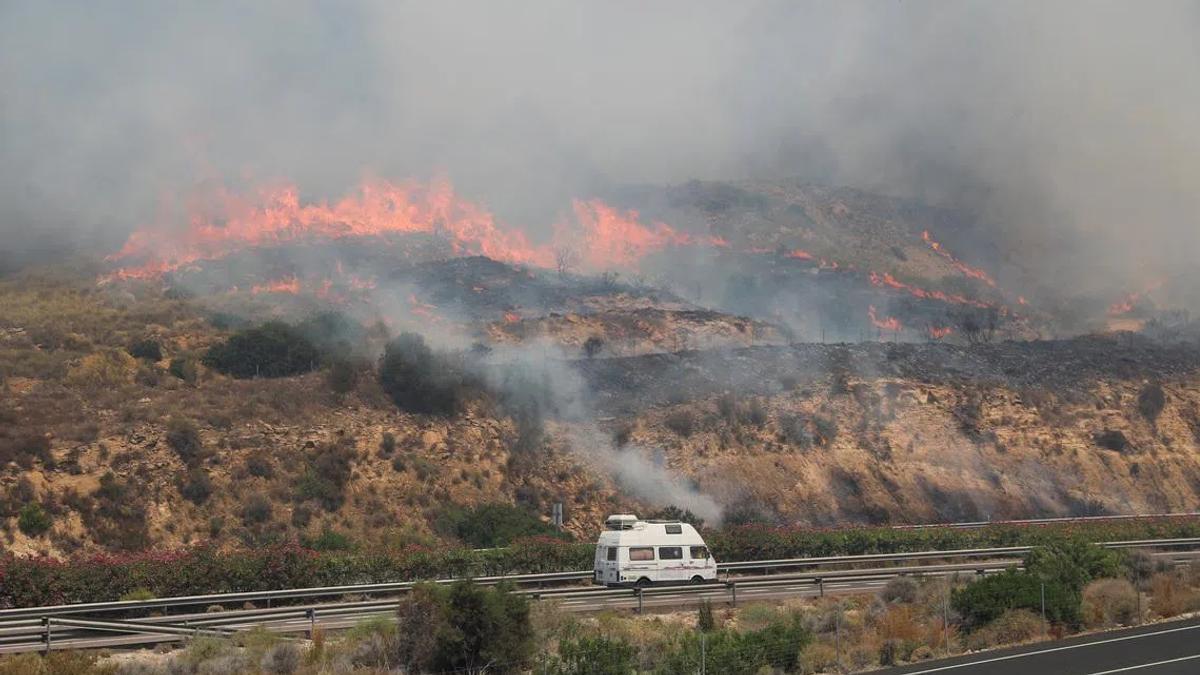
Southern Spain has been gripped by a devastating wildfire, particularly impacting rural Andalusian villages around Los Gallardos and Bedar. The inferno, which rapidly escalated on Thursday, July 9, 2026, led to a tragic loss of life, with 11 confirmed fatalities and 19 individuals reported missing as of Friday, July 10. The victims, many of whom were foreign nationals, perished while attempting to flee the encroaching flames, with several found burned in their vehicles after roads became impassable 'death traps.'
The incident unfolded as residents faced a harrowing choice: shelter in place as advised by some authorities or attempt to evacuate through smoke-choked routes. For many, the instinct to escape proved fatal. Antonio Rubio, a local handyman from Bedar, recounted the overwhelming smoke that made staying indoors impossible, prompting his family to self-evacuate. Similarly, a British resident in Los Gallardos described relatives being told to evacuate via a back route after the main road from Bedar was blocked by the fire. This desperate search for alternative escape paths, including dry riverbeds, ultimately led to entrapment for several victims.
Antonio Sanz, head of emergencies in the Andalusia region, emphasized the critical importance of adhering to recommended evacuation routes. He noted that the village of Bedar itself was largely spared by the flames, suggesting that the 'shelter in place' order, if followed, could have averted more serious outcomes for those specific areas. However, the regional President Juanma Moreno acknowledged the understandable human instinct to flee when confronted by such a terrifying spectacle, highlighting the inherent danger when individuals, even with local knowledge, lack precise, real-time information on safe passages.
The tragedy exposes significant challenges in disaster management, particularly in regions prone to wildfires. The rapid spread and intensity of the fire overwhelmed existing infrastructure and communication channels, turning familiar roads into perilous traps. The presence of numerous foreign nationals among the victims, including British and potentially American citizens, adds an international dimension, raising questions about multilingual emergency alerts and the specific vulnerabilities of expatriate communities in tourist-heavy areas.
This devastating event in Spain is not an isolated incident but rather a stark illustration of a growing global crisis driven by climate change. The Mediterranean basin, including Spain, is increasingly susceptible to more frequent, intense, and prolonged heatwaves, leading to drier conditions and a heightened risk of catastrophic wildfires. These fires not only cause immediate human casualties and environmental destruction but also have long-term economic impacts, affecting agriculture, forestry, and the vital tourism sector.
The incident underscores the urgent need for governments worldwide, particularly in vulnerable regions, to reassess and bolster their climate adaptation strategies. This includes investing in robust early warning systems, developing dynamic and flexible evacuation protocols, improving public education on fire safety and emergency response, and enhancing the resilience of critical infrastructure. Furthermore, the involvement of foreign nationals highlights the necessity for international cooperation in disaster preparedness and consular support, ensuring that all residents, regardless of nationality, receive timely and accurate information during crises.
The Spanish wildfires serve as a somber reminder of humanity's increasing vulnerability to extreme weather events. The lessons learned from this tragedy must inform future policy decisions, emphasizing proactive measures over reactive responses. As climate change continues to intensify, the ability of nations to protect their populations will depend on their capacity to integrate scientific understanding, technological innovation, and effective governance into comprehensive disaster risk reduction strategies. The imperative is clear: to build more resilient communities capable of navigating the complex and dangerous realities of a changing climate, ensuring that evacuation routes lead to safety, not despair.
Source referenced: STRAITSTIMES
This brief was synthesized by our Editorial Engine and reviewed by The Ground Narrative team.