TRENDING

Thursday, 8 October 2026
----------------------
27 Rabi' Al-Thani 1448 AH
The FIFA World Cup has been marred by a surge of AI-generated content and false claims of racism, alongside verified incidents of discriminatory abuse. Vedika Bahl fact-checks the biggest World Cup racism claims, exposing the fake ones and separating viral AI deception from real incidents of racist abuse.
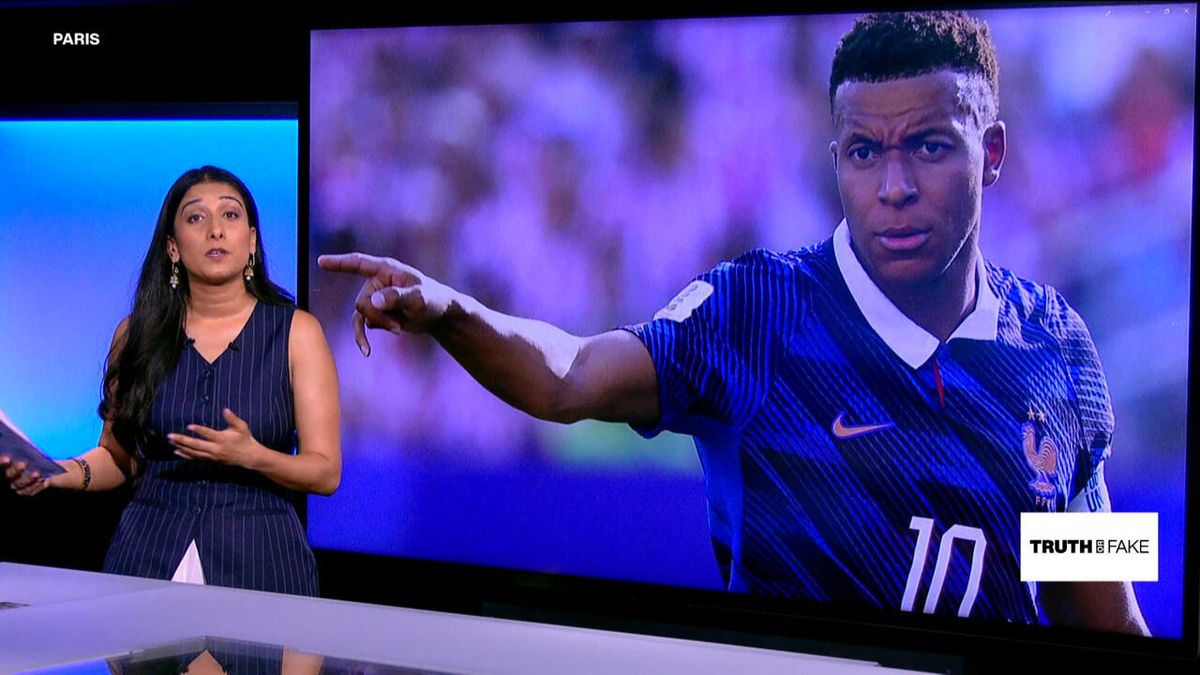
The 2026 FIFA World Cup has been plagued by a disturbing convergence of fake news and real racism. As the tournament heads into the quarter-finals, a surge of AI-generated content and false claims of racist behaviour has flooded social media, alongside verified incidents of discriminatory abuse. This phenomenon is not only a reflection of the darker aspects of human nature but also a symptom of a broader crisis in global governance and the spread of misinformation.
The ease with which AI-generated content can be created and disseminated has created a perfect storm of misinformation. Fake videos, such as the one purporting to show Dutch manager Ronald Koeman launching into a racist tirade against Moroccan players, have been viewed millions of times. These videos are often created by accounts notorious for posting football-related AI slop, and their spread is facilitated by social media platforms that prioritize engagement over fact-checking.
The spread of fake news has real-world consequences, particularly in the context of racism. The false claims of racist behaviour against Algerian fans, for example, have been used to justify xenophobic and Islamophobic sentiment. Similarly, the fabricated video of Ronald Koeman's racist rant has been used to perpetuate anti-Moroccan sentiment. These incidents not only perpetuate a culture of hate but also distract from the real issues of racism and xenophobia that exist in the world of football.
FIFA has taken steps to address the issue of racism and xenophobia at the World Cup, including the introduction of new red-card rules and the launch of a probe into racist and homophobic chants by Argentina players. However, more needs to be done to address the root causes of this problem. Global governance bodies, such as the United Nations, must take a more proactive role in addressing the spread of misinformation and promoting tolerance and understanding.
The intersection of fake news and real racism at the FIFA World Cup has far-reaching consequences for global governance, international relations, and the world of football. If left unchecked, this phenomenon could lead to a further erosion of trust in institutions and a rise in xenophobic and nationalist sentiment. It is essential that global leaders take a proactive approach to addressing this issue and promoting a culture of tolerance and understanding.
The FIFA World Cup has been marred by a surge of AI-generated content and false claims of racism, alongside verified incidents of discriminatory abuse. This phenomenon is a symptom of a broader crisis in global governance and the spread of misinformation. It is essential that global leaders take a proactive approach to addressing this issue and promoting a culture of tolerance and understanding.
Source referenced: FRANCE24
This brief was synthesized by our Editorial Engine and reviewed by The Ground Narrative team.