TRENDING

Wednesday, 7 October 2026
----------------------
26 Rabi' Al-Thani 1448 AH
South Africa's anti-migrant protests have led to the forced repatriation of hundreds of foreign nationals, highlighting the country's deep-seated economic, governance, and identity challenges.
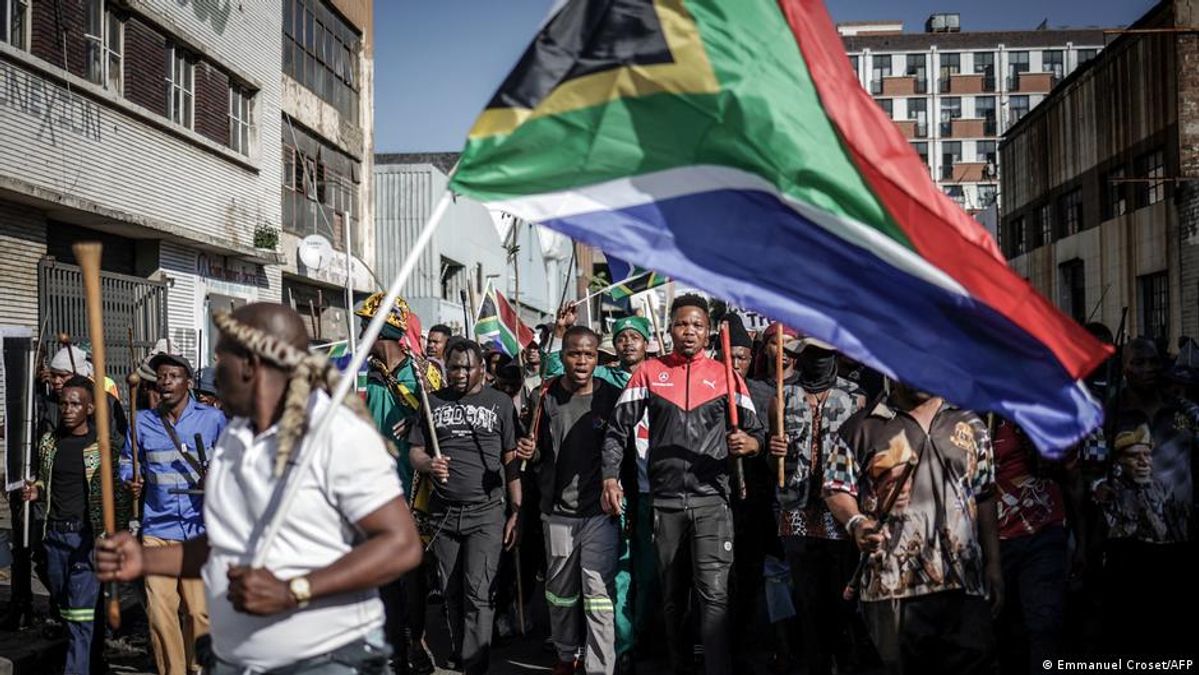
South Africa's recent anti-migrant protests have sent shockwaves across the continent, with hundreds of foreign nationals forced to return to their home countries. The protests, which have been marred by violence and xenophobia, have raised important questions about the country's economic, governance, and identity challenges.
South Africa's economy has been struggling in recent years, with high unemployment rates and a widening wealth gap. The country's economic woes have been exacerbated by the COVID-19 pandemic, which has led to a significant decline in economic activity. In this context, foreign nationals have become an easy target for frustration and anger.
South Africa's governance challenges are well-documented, with corruption, inefficiency, and a lack of accountability being major concerns. The country's leadership has been criticized for its handling of the economic crisis, with many arguing that the government has failed to provide adequate support to vulnerable communities.
South Africa's identity crisis is a complex and deeply ingrained issue. The country's history of apartheid and colonialism has left a legacy of trauma and division, with many South Africans struggling to come to terms with their identity and place in the world. The anti-migrant protests have tapped into these deep-seated identity issues, with many South Africans expressing a sense of insecurity and anxiety about their country's future.
The anti-migrant protests have significant regional implications, with many African countries expressing concern about the safety and well-being of their citizens in South Africa. The protests have also highlighted the need for greater regional cooperation and coordination on issues related to migration and economic development.
The future consequences of the anti-migrant protests are uncertain, but one thing is clear: the situation in South Africa requires urgent attention and action. The country's leadership must take concrete steps to address the economic, governance, and identity challenges that have contributed to the protests. This will require a commitment to transparency, accountability, and inclusive governance, as well as a willingness to engage with the complexities of South Africa's identity crisis.
The anti-migrant protests in South Africa are a symptom of a deeper crisis, one that requires a comprehensive and nuanced response. The country's leadership must take a long-term view, prioritizing economic development, good governance, and social cohesion. Only by addressing these challenges can South Africa hope to build a more inclusive and prosperous future for all its citizens.
* The South African government must take concrete steps to address the economic, governance, and identity challenges that have contributed to the protests.
* The government must prioritize transparency, accountability, and inclusive governance, engaging with the complexities of South Africa's identity crisis.
* Regional cooperation and coordination on issues related to migration and economic development are essential for addressing the root causes of the protests.
* The international community must provide support and assistance to South Africa, helping the country to address its economic and governance challenges.
Source referenced: DW
This brief was synthesized by our Editorial Engine and reviewed by The Ground Narrative team.


