TRENDING

Wednesday, 7 October 2026
----------------------
26 Rabi' Al-Thani 1448 AH
Iraq's new Prime Minister Ali al-Zaidi has launched a high-profile anti-corruption campaign, but experts question whether he has the strength and support to tackle the deeply entrenched problem.
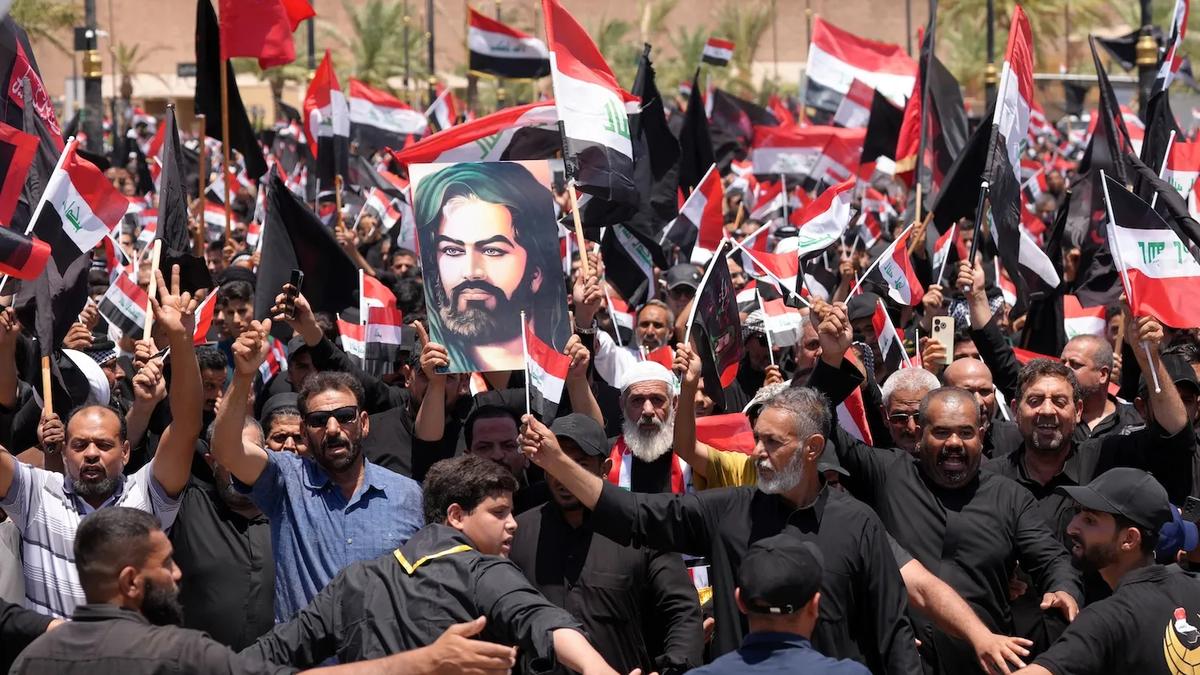
Iraq's new Prime Minister Ali al-Zaidi has been making headlines with his high-profile anti-corruption campaign, but experts are skeptical about his ability to tackle the deeply entrenched problem. Since assuming office in mid-May, al-Zaidi has been making every effort to show that he is a man of the people, visiting the Iraq Mall in Baghdad to mingle with voters and emphasizing that he is personally overseeing the anti-corruption cases.
However, the campaign's effectiveness remains uncertain. Every Iraqi prime minister who comes to power has promised to address corruption, but none have been able to make a significant dent in the problem. In 2014, then-newly appointed Haider al-Abadi said corruption was plaguing the security sector, while in 2020, Mustafa al-Kadhimi entered office with another promise to curb corruption. Despite these efforts, corruption continued to grow, with the Iraqi state losing an estimated $2 trillion since 2003.
The latest round of anti-corruption accusations started with the arrest of then-Deputy Oil minister Adnan al-Jumaili, who decided to cooperate and take his co-conspirators down with him. The Iraqi judiciary and government then worked together to issue warrants for dozens of officials and members of parliament, but even these wide-ranging arrests do not represent a majority of those who have siphoned money from the Iraqi state.
The anti-corruption campaign has significant regional implications, particularly in the context of Iraq's relations with the United States and Iran. The US has recently launched Operation Economic Fury, aimed at Iran-aligned militia groups, which has put pressure on the Iraqi government and banks to go after these groups' financing. Al-Zaidi is due to visit Washington this month, where he wants to ensure that President Donald Trump sees him as capable and willing to make bold moves.
The outcome of al-Zaidi's anti-corruption campaign will have significant consequences for Iraq's future. If he is able to make a meaningful dent in corruption, it could lead to a significant improvement in the lives of everyday Iraqis and make him the most popular prime minister in decades. However, if the campaign falters, it could lead to a blow to al-Zaidi's credibility and more importantly, a blow to the country.
There are three potential scenarios for the outcome of al-Zaidi's anti-corruption campaign. The first scenario is an escalation of anti-corruption efforts, accompanied by the transparent use of seized funds to improve the lives of everyday Iraqis. This scenario is a long shot but would change Iraq's fortunes dramatically. The second scenario is one that Iraq has seen many times before, where arrests are made only for the accused to find a way to get the charges dropped, leaving just a handful of people to take the fall. The third and most likely scenario is that al-Zaidi will seek to strike a balance, expanding the scope of the investigations but not targeting all those who are complicit, while pursuing charges against those who have already been arrested.
Iraq's new Prime Minister Ali al-Zaidi faces an uphill battle against corruption, but his efforts have significant regional implications and future consequences. The outcome of his campaign will depend on his ability to build the right alliances and tackle the deeply vested interests at stake. International pressure can help al-Zaidi stay the course, but ultimately, it is up to him to make a meaningful dent in corruption and improve the lives of everyday Iraqis.
Editor's Note: The outcome of al-Zaidi's anti-corruption campaign is uncertain, but it has the potential to change Iraq's fortunes dramatically.
Source referenced: FOREIGNPOLICY
This brief was synthesized by our Editorial Engine and reviewed by The Ground Narrative team.