TRENDING

Thursday, 8 October 2026
----------------------
27 Rabi' Al-Thani 1448 AH
The funeral of Ayatollah Ali Khamenei marks the beginning of a new era in Iran, with significant implications for regional stability and global geopolitics.
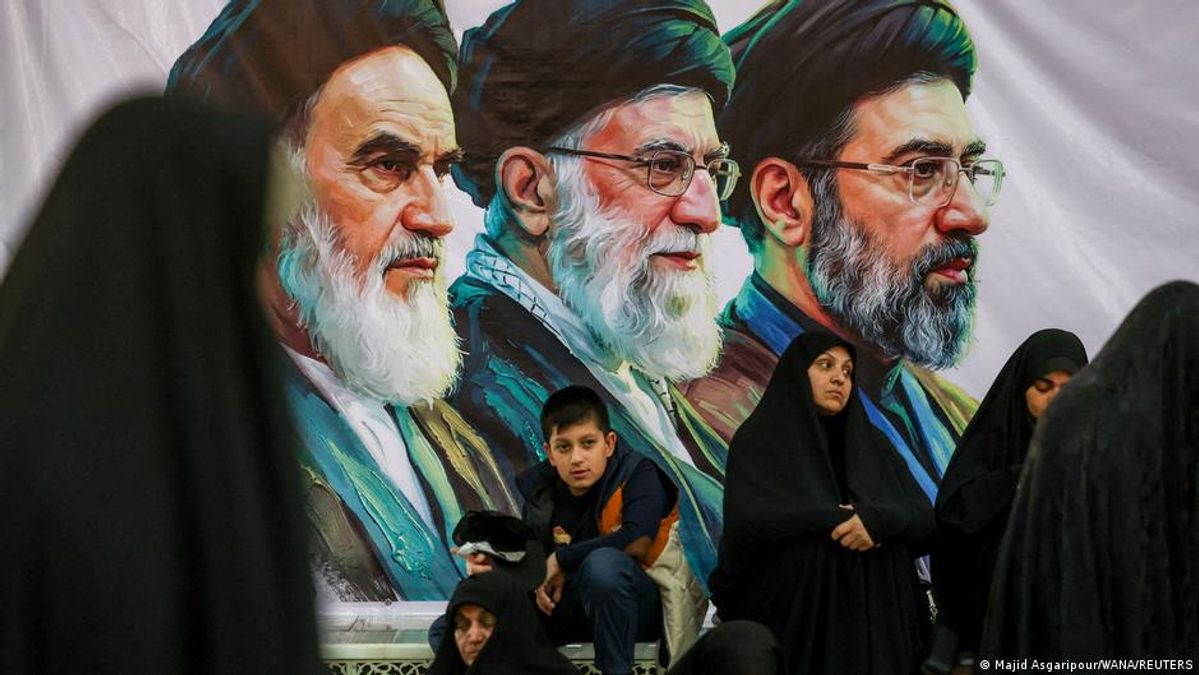
The funeral of Ayatollah Ali Khamenei, the Supreme Leader of Iran, marks the beginning of a new era in the country. Khamenei's nearly four-decade-long rule has been characterized by a profound institutional transformation, which has reshaped the power structures of the Islamic Republic.
Under Khamenei's leadership, the influence of senior clerics and Shiite seminaries over key political decisions has steadily diminished. In their place, security institutions, the Office of the Supreme Leader, and the political and military networks associated with it have become increasingly dominant. The Islamic Revolutionary Guard Corps (IRGC) has played a decisive role in this transformation, with its confidence as a political and social force significantly strengthened by the recent war involving the United States, Israel, and Iran.
Mojtaba Khamenei, the son and successor of the late Supreme Leader, remains hidden from public view after being disfigured in the US air strike that killed his father. His absence from even the official mourning ceremonies for his father has raised questions about his ability to lead the country. However, his approval of the negotiations aimed at ending the Iran war suggests that he may be willing to work with moderate forces to redefine the direction of the Islamic Republic.
The crisis in Iran has significant implications for regional stability. The country's control of the Strait of Hormuz, one of its most important strategic bargaining chips, has become a major point of contention with the United States. Iran's refusal to allow the establishment of alternative shipping routes without its approval has led to a confrontation with Washington. The IRGC's confidence and influence in the region have been bolstered by the recent war, which has raised concerns about the country's future direction.
The funeral of Ayatollah Ali Khamenei marks the beginning of a new era in Iran, with significant implications for regional stability and global geopolitics. The country's entrenched power elite will likely rally behind Mojtaba Khamenei, allowing him to redefine the direction of the Islamic Republic. However, the core power centers in Iran currently see little reason to make significant concessions to moderate political forces outside their network. Whether the Islamic Republic's future direction will revolve around an internal power struggle within the Revolutionary Guards remains to be seen.
The funeral of Ayatollah Ali Khamenei marks the beginning of a new era in Iran, with significant implications for regional stability and global geopolitics. The country's entrenched power elite will likely rally behind Mojtaba Khamenei, allowing him to redefine the direction of the Islamic Republic. However, the core power centers in Iran currently see little reason to make significant concessions to moderate political forces outside their network. Whether the Islamic Republic's future direction will revolve around an internal power struggle within the Revolutionary Guards remains to be seen.
Editor's Note: The analysis is based on available information and may be subject to change as new developments emerge.
Source referenced: DW
This brief was synthesized by our Editorial Engine and reviewed by The Ground Narrative team.