TRENDING

Thursday, 8 October 2026
----------------------
27 Rabi' Al-Thani 1448 AH
The Organisation for the Prohibition of Chemical Weapons (OPCW) has restored Syria's voting rights, citing progress made by the new government in addressing outstanding issues. This development has significant implications for regional stability and the global chemical weapons regime.
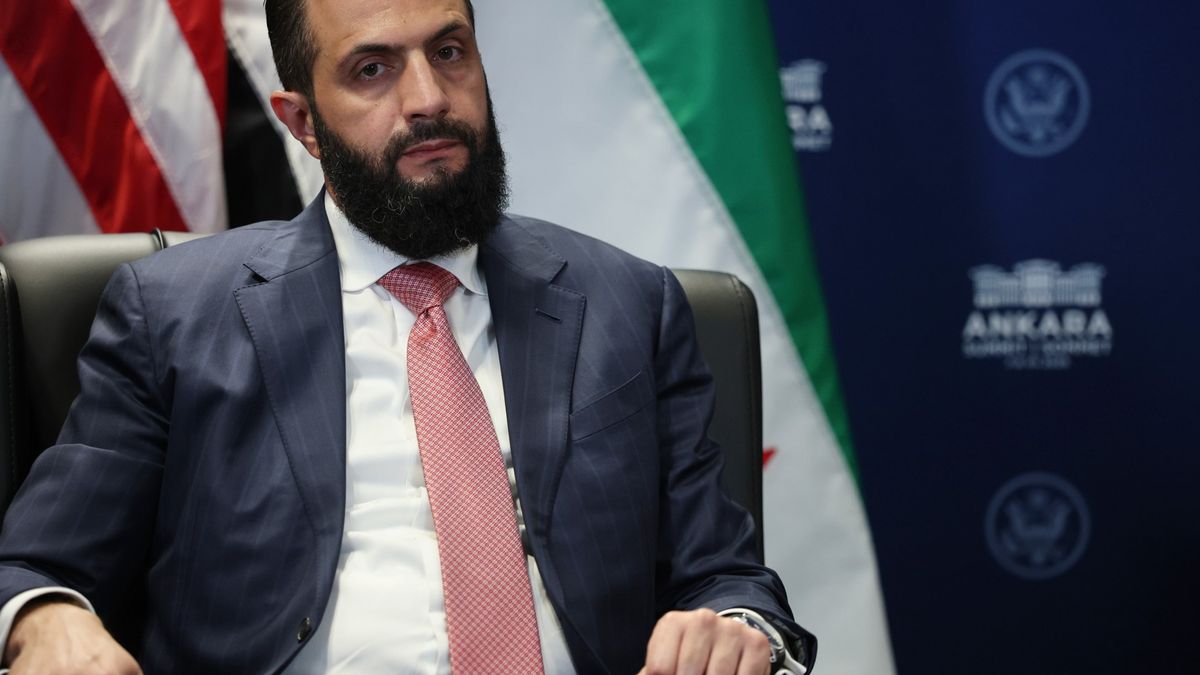
The Organisation for the Prohibition of Chemical Weapons (OPCW) has announced that it has restored Syria's voting rights, citing progress made by the new government in addressing outstanding issues. This decision has significant implications for regional stability and the global chemical weapons regime.
Syria's voting rights were suspended in 2021 due to the former government's failure to declare the full scope of its chemical weapons programme and the repeated use of poison gas during the civil war. The OPCW had been monitoring Syria's chemical weapons programme since 2013, when the country joined the organisation and agreed to destroy its weapons.
The OPCW's decision to restore Syria's voting rights reflects the new government's commitment to fulfilling its obligations under the Convention and cooperating with the Technical Secretariat. The actions taken by the new government, including facilitating verification activities and taking initial steps in destroying identified remnants, demonstrate a willingness to engage with the international community and address the outstanding issues.
The restoration of Syria's voting rights has significant implications for regional stability. Syria's neighbours, particularly Turkey and Israel, have long been concerned about the country's chemical weapons programme and its potential use in the region. The OPCW's decision may alleviate some of these concerns, but it also raises questions about the new government's commitment to non-proliferation and its willingness to engage with the international community.
The OPCW's decision may have far-reaching consequences for the global chemical weapons regime. The restoration of Syria's voting rights may set a precedent for other countries that have been suspended or expelled from the organisation. It may also embolden countries that have been accused of chemical weapons use, such as North Korea and Iran, to pursue their own chemical weapons programmes.
The OPCW's decision to restore Syria's voting rights is a significant development with far-reaching implications for regional stability and the global chemical weapons regime. While the new government's commitment to non-proliferation is a positive step, it also raises questions about the country's willingness to engage with the international community and address the outstanding issues.
Source referenced: ALJAZEERA
This brief was synthesized by our Editorial Engine and reviewed by The Ground Narrative team.