TRENDING

Wednesday, 7 October 2026
----------------------
26 Rabi' Al-Thani 1448 AH
The recent attacks on ships in the Strait of Hormuz and escalating strikes between the US and Iran have raised concerns about the future of passage through the vital waterway, with significant implications for the global economy and regional stability.
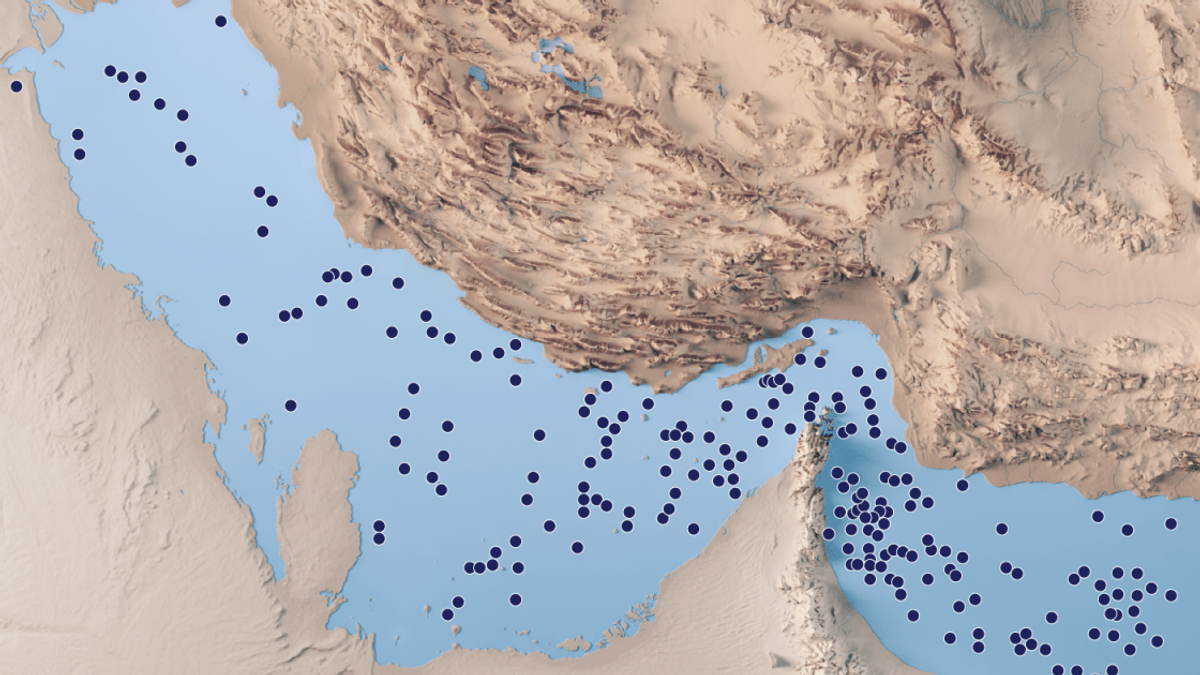
The Strait of Hormuz is one of the world's most strategically important maritime chokepoints, connecting the oil- and gas-rich Gulf to the rest of the world. The narrow waterway, approximately 33km (21 miles) wide at its narrowest point, has been a critical route for global energy markets and trade, with roughly 20 million barrels of oil and petroleum products passing through it each day before the war.
In recent days, at least five commercial vessels have been attacked in and around the Strait of Hormuz since the US-Iran ceasefire on June 17. The attacks have been attributed to Iran, which has accused the ships of attempting to pass without seeking its approval. The US has responded with escalating strikes on Iranian soil, targeting coastal cities and the capital Tehran. Iran has retaliated with missiles and drones at multiple Gulf nations.
The Strait of Hormuz is a critical route for global energy markets and trade. Any disruption to shipping through the strait has significant implications for the global economy. The recent attacks and escalating strikes have raised concerns about the future of passage through the vital waterway, with many ships switching to alternative routes or avoiding the strait altogether.
The crisis in the Strait of Hormuz has significant implications for regional stability and geopolitics. The US and Iran have been engaged in a proxy war in the region, with the US supporting its allies in the Gulf and Iran seeking to expand its influence. The recent attacks and escalating strikes have raised tensions between the two countries, with the US accusing Iran of violating the ceasefire agreement.
The future consequences of the crisis in the Strait of Hormuz are uncertain. The US and Iran have been engaged in a cycle of escalation and de-escalation, with neither side willing to back down. The recent attacks and escalating strikes have raised concerns about the possibility of a full-fledged war between the two countries, with significant implications for regional stability and the global economy.
The central section of the strait remains largely unused due to concerns over naval mines. Iran's Islamic Revolutionary Guard Corps (IRGC) has warned that ships failing to comply with Iran's instructions could face attacks. The US and many shipping companies maintain that Hormuz is an international waterway where transit should remain free. Iran has said it intends to introduce transit fees once the 60-day transition period ends, which has been rejected by the US.
The crisis in the Strait of Hormuz has significant implications for the global economy and regional stability. The recent attacks and escalating strikes have raised concerns about the future of passage through the vital waterway, with many ships switching to alternative routes or avoiding the strait altogether. The US and Iran have been engaged in a cycle of escalation and de-escalation, with neither side willing to back down. The future consequences of the crisis are uncertain, but one thing is clear: the Strait of Hormuz remains a critical route for global energy markets and trade, and any disruption to shipping through the strait has significant implications for the global economy and regional stability.
Editor's Note: The analysis is based on publicly available information and may not reflect the full complexity of the situation.
Source referenced: ALJAZEERA
This brief was synthesized by our Editorial Engine and reviewed by The Ground Narrative team.


