TRENDING

Wednesday, 7 October 2026
----------------------
26 Rabi' Al-Thani 1448 AH
As Israel's Prime Minister Benjamin Netanyahu rushes to pass key Bills ahead of the October elections, we examine the strategic motivations, historical context, and regional implications of his actions.
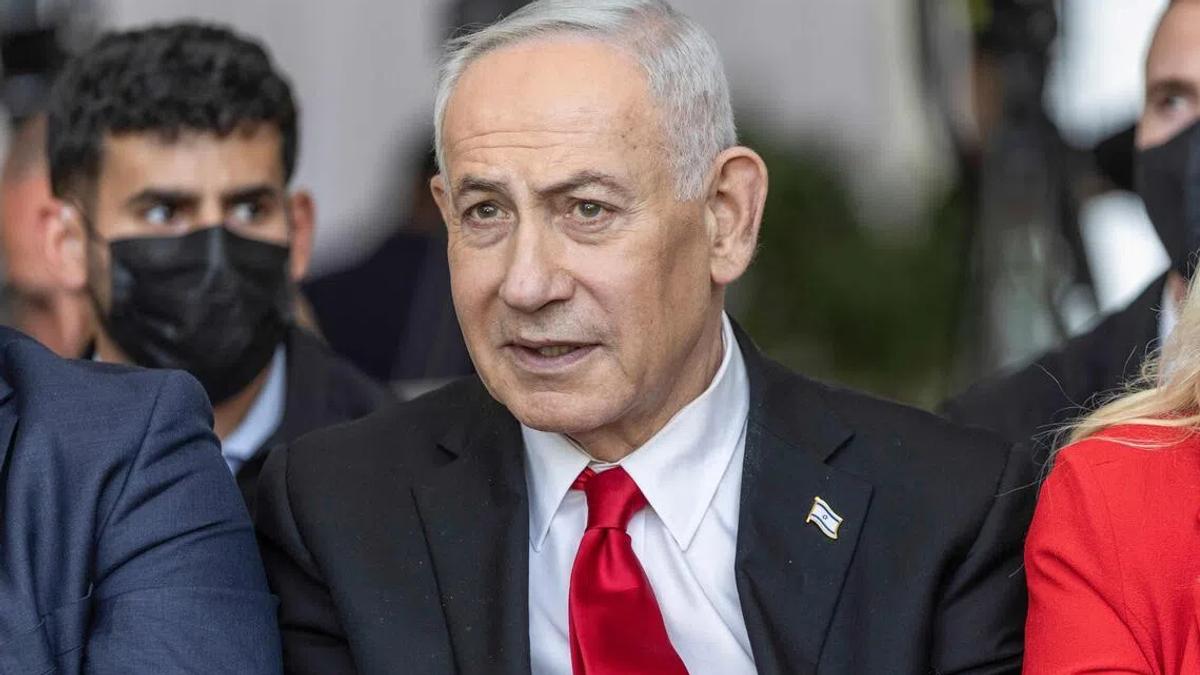
Israel's Prime Minister Benjamin Netanyahu is racing against time to pass seven key Bills in the Knesset, Israel's 120-seat Parliament, ahead of the October elections. This legislative "marathon" has sparked fierce criticism from the opposition, with many accusing Netanyahu of exploiting the final days of the Knesset's session to pass laws that would no longer be possible once he loses power.
Netanyahu's actions can be seen as a desperate attempt to shore up his alliances and head into the election from a position of strength. With opinion polls suggesting he might struggle to return to office, Netanyahu is relying on his coalition partners to support his legislative agenda. The most controversial Bill, which grants military service exemptions to ultra-Orthodox students studying Torah, has brought thousands of Israelis onto the streets and inflamed debate on political television programmes.
The proposed "Basic Law: Torah Study" has been a longstanding demand of the ultra-Orthodox parties, which have repeatedly threatened to bring down the government if their constituents were not granted such exemptions. This Bill is part of a larger trend of increasing government control and favouritism towards coalition interests. The opposition accuses the government of trying to eliminate an independent check on its power and to politicise criminal prosecutions.
The regional implications of Netanyahu's actions are significant. The proposed media regulation reforms and weakening of the state attorney-general's powers are seen as moves to increase government control and undermine the independence of news organisations. This could have far-reaching consequences for Israel's democratic institutions and its relationships with its neighbours.
The outcome of the October elections will have significant consequences for Israel's domestic and foreign policies. If Netanyahu loses power, it could lead to a shift in Israel's stance on key issues such as the Israeli-Palestinian conflict and its relationships with its neighbours. On the other hand, if Netanyahu wins, it could embolden his hardline stance on these issues, leading to further instability in the region.
Netanyahu's last-ditch effort to pass key Bills ahead of the October elections is a desperate attempt to shore up his alliances and head into the election from a position of strength. While the strategic motivations behind his actions are clear, the regional implications and future consequences of his actions are uncertain. As the election season heats up, it is essential to examine the geopolitical implications of Netanyahu's actions and their potential impact on Israel's domestic and foreign policies.
Source referenced: STRAITSTIMES
This brief was synthesized by our Editorial Engine and reviewed by The Ground Narrative team.