TRENDING

Thursday, 8 October 2026
----------------------
27 Rabi' Al-Thani 1448 AH
Following renewed US strikes during Ayatollah Ali Khamenei's funeral, Iran has intensified regional pressure, targeting US allies and threatening American bases. This strategic escalation aims to compel Washington back to the negotiating table, even as both nations reportedly engage in backchannel diplomacy to avert full-scale conflict.
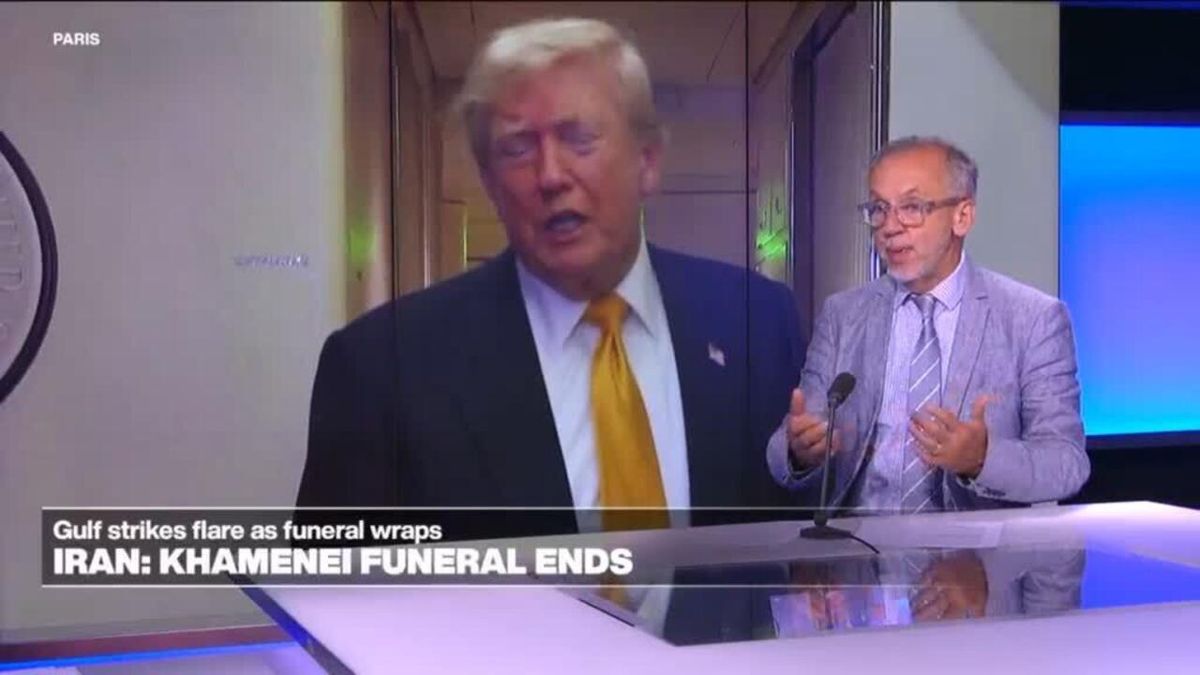
Recent developments in the Middle East indicate a significant escalation of tensions between Iran and the United States, characterized by a cycle of military actions and strategic posturing. On October 7, 2026, Iran reportedly intensified its regional pressure campaign, targeting US allies and issuing threats against American military installations across the region. This move came in direct response to renewed US strikes, which notably occurred during the funeral ceremonies for the late Ayatollah Ali Khamenei.
What transpired is a clear demonstration of a tit-for-tat escalation. The United States conducted strikes, reportedly in response to earlier Iranian actions, including attacks in the Strait of Hormuz. Iran, in turn, reacted by increasing its regional footprint, leveraging its network of proxies and its conventional military capabilities to exert pressure on Washington's regional partners and assets. This strategy is explicitly aimed at forcing the United States back to the negotiating table, suggesting Iran seeks to improve its leverage in any future diplomatic engagements.
When these events unfolded is particularly noteworthy. The US strikes during Ayatollah Khamenei's funeral were a highly sensitive act, potentially perceived as a deliberate provocation during a period of national mourning and leadership transition in Iran. This timing likely fueled anti-US sentiment within Iran, potentially solidifying the resolve of its new leadership.
Who are the primary actors: Iran, navigating a critical leadership succession following Khamenei's death, and the United States, under the administration of President Donald Trump, who publicly declared the ceasefire with Iran to be over. However, beneath the public rhetoric, reports suggest that backchannel talks are likely continuing, indicating a pragmatic desire from both sides to manage the conflict and prevent a full-scale war.
Where these tensions are most acutely felt is across the broader Middle East, particularly in areas where US forces and allies are present. The targeting of US allies and threats to American bases directly undermine regional stability and security. The Strait of Hormuz, a critical global chokepoint for oil shipments, remains a flashpoint, with any disruption having significant international economic consequences.
Why this dynamic persists is rooted in a complex interplay of deterrence, domestic politics, and strategic objectives. Neither Iran nor the United States appears to desire a prolonged, full-scale military conflict, recognizing the immense human and economic costs. For the US, the approaching midterm elections likely factor into President Trump's calculus, influencing the administration's public stance and its appetite for sustained military engagement. For Iran, the period following Khamenei's death marks a potential shift from a purely theocratic leadership to one with a more nationalistic military orientation. This internal evolution could lead to a more assertive and less predictable foreign policy, as the new leadership seeks to consolidate power and demonstrate strength both domestically and internationally.
How this situation is being managed involves a delicate balance of overt military pressure and covert diplomatic engagement. While public statements and military actions project an image of confrontation, the reported continuation of backchannel talks underscores a shared understanding that a complete breakdown of communication could lead to catastrophic outcomes. This dual approach allows both nations to maintain a strong posture for domestic and international audiences while simultaneously exploring avenues for de-escalation and negotiation.
In conclusion, the current geopolitical landscape in the Middle East is characterized by a precarious equilibrium. Iran's calculated escalation, timed with its leadership transition, aims to reshape the terms of engagement with the US. The US, while responding militarily, also appears to be keeping diplomatic channels open. The coming months will be critical in determining whether this cycle of pressure and counter-pressure leads to renewed negotiations or further destabilization in a region already fraught with complexities.
Source referenced: FRANCE24
This brief was synthesized by our Editorial Engine and reviewed by The Ground Narrative team.