TRENDING

Monday, 26 October 2026
----------------------
15 Jumada Al-Awwal 1448 AH
Spain is racing against time to contain widespread wildfires ahead of a new heatwave, underscoring the escalating climate-induced challenges facing Southern Europe. This recurring crisis highlights significant economic, social, and governance implications for the region.
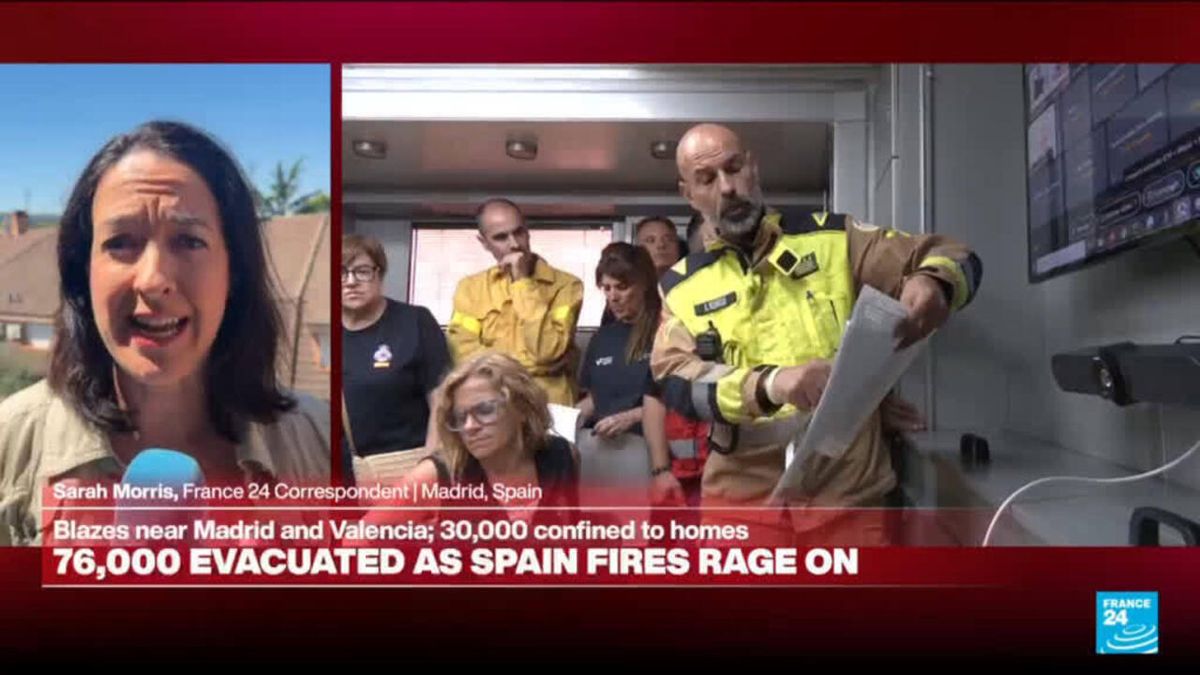
Spain is currently engaged in a critical effort to bring widespread wildfires under control, with authorities emphasizing a narrow two-day window before a new heatwave is projected to exacerbate conditions. Prime Minister Pedro Sanchez has issued a public appeal for extreme caution, signaling the gravity of the situation. This immediate crisis, unfolding on July 27, 2026, is not an isolated incident but rather a stark illustration of the increasing frequency and intensity of extreme weather events gripping Southern Europe, with neighboring France also battling significant blazes.
The geographical scope of these fires, extending across the Iberian Peninsula and into southwestern France, underscores a regional vulnerability to climate change. The Mediterranean basin, in particular, is identified by climate scientists as a hotspot for rising temperatures and prolonged droughts, creating ideal conditions for large-scale, destructive wildfires. This pattern transforms what might once have been considered localized environmental incidents into recurring, systemic challenges with profound geopolitical, economic, and social ramifications.
The economic impact of these wildfires is multifaceted and severe. Spain's economy, heavily reliant on tourism and agriculture, faces substantial losses. Agricultural lands, vital for food production and rural livelihoods, are devastated, leading to immediate economic hardship for farmers and potential long-term impacts on food security. The destruction of forests and natural landscapes also diminishes biodiversity and ecosystem services, which are crucial for environmental health and sustainable development. Furthermore, the cost of firefighting operations, including personnel, equipment, and aerial support, places a significant strain on national budgets. Post-fire recovery efforts, encompassing rebuilding infrastructure, reforesting vast areas, and supporting affected communities, will incur immense financial burdens, potentially diverting resources from other critical public services and development initiatives.
Socially, the fires necessitate large-scale evacuations, displacing thousands of citizens and causing significant psychological distress. The health implications extend beyond immediate injuries, with widespread smoke pollution posing risks to respiratory health across affected regions. The government's capacity to effectively manage and mitigate these crises directly impacts public trust and political stability. Prime Minister Sanchez's direct appeal for caution highlights the national-level concern and the need for collective societal response, indicating the broad societal disruption caused by these events.
From a geopolitical perspective, the recurring nature of these climate-induced disasters elevates climate change from an environmental concern to a critical non-traditional security threat. The strain on national resources, particularly during simultaneous crises across multiple European nations, can test the limits of national emergency response capabilities and regional cooperation mechanisms, such as the European Union's Civil Protection Mechanism. While not explicitly detailed in the immediate reporting, such events often necessitate cross-border assistance, sharing of firefighting assets, and coordinated disaster response strategies, thereby reinforcing the interconnectedness of European security and environmental challenges.
Moreover, the long-term implications for the Mediterranean region are significant. Persistent environmental degradation, water scarcity, and economic instability could contribute to internal migration pressures and potentially exacerbate existing socio-economic disparities. The ability of European nations to adapt to these new climate realities, invest in preventative measures, and develop resilient infrastructure will be crucial for maintaining regional stability and prosperity. The current crisis in Spain, therefore, serves as a critical reminder of the urgent need for comprehensive climate action, both in terms of mitigation to reduce greenhouse gas emissions and adaptation strategies to cope with the unavoidable impacts of a changing climate.
In conclusion, Spain's battle against wildfires is more than a domestic emergency; it is a microcosm of the broader climate crisis confronting Europe. It underscores the profound economic vulnerabilities, social disruptions, and governance challenges posed by extreme weather events, demanding a coordinated, long-term strategic response at national, regional, and international levels to safeguard stability and human security in an increasingly volatile climate landscape.
Source referenced: FRANCE24
This brief was synthesized by our Editorial Engine and reviewed by The Ground Narrative team.


