TRENDING

Monday, 5 October 2026
----------------------
24 Rabi' Al-Thani 1448 AH
Massive wildfires are ravaging southern France, fueled by intense heatwaves and strong winds, underscoring the growing climate-induced challenges facing Europe. The blazes necessitate significant emergency response and raise concerns about long-term economic, social, and environmental stability.
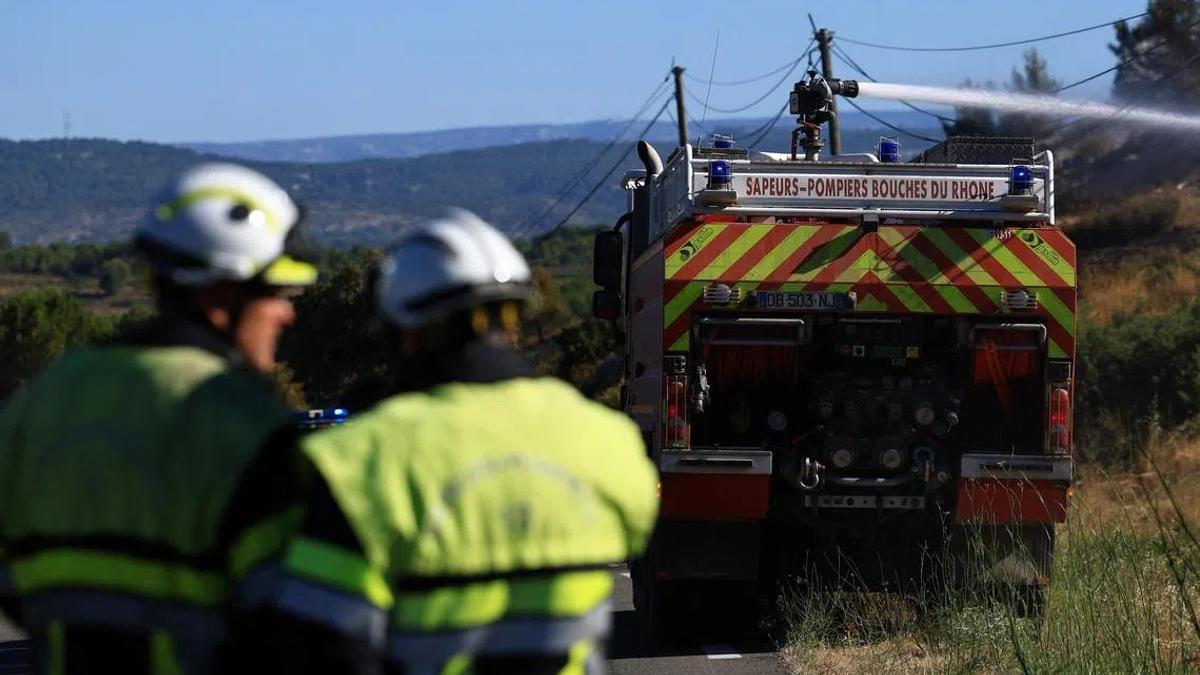
Southern France is currently battling multiple large-scale wildfires, a stark manifestation of the escalating climate crisis impacting Europe. On Thursday, July 2, 2026, firefighters were deployed across several departments, struggling to contain blazes fanned by strong winds and exacerbated by parched conditions following a severe European heatwave. This event is not merely a localized disaster but a critical indicator of broader geopolitical and environmental vulnerabilities.
The immediate crisis unfolded across several key areas. Near the Mediterranean port city of Marseille, two significant fires erupted, with another blaze in Lancon-Provence covering 260 hectares before being brought under control. The most extensive fire, however, was reported in the Aude administrative department, close to the Spanish border, where approximately 900 hectares were scorched. Interior Minister Laurent Nunez confirmed that a combined area of 1,210 hectares had been affected. The intensity of these fires was significantly amplified by high winds, complicating the efforts of the 800 firefighters deployed.
The root cause of these devastating fires lies in the persistent and intensifying extreme weather patterns linked to global climate change. The World Meteorological Organization (WMO) had issued a warning just a week prior, predicting an increased risk of wildfires due to record temperatures that had gripped Western Europe in late June. The outlook for sustained high temperatures, very low humidity, and dry vegetation created a highly combustible environment. This recurring cycle of heatwaves and subsequent wildfires is transforming environmental security into a core geopolitical concern, demanding robust national and international responses.
The economic implications of these wildfires are substantial. Southern France, particularly regions like the Var department near Cannes, is a major tourist destination. The evacuation of over 2,000 people from six campsites in Frejus highlights the direct impact on the tourism sector, which forms a significant part of the regional economy. Beyond tourism, agricultural lands, forests, and potentially infrastructure face extensive damage, leading to long-term economic recovery challenges. The acrid smell of smoke, even affecting air travel, underscores the widespread disruption.
From a social and public health perspective, the situation is equally dire. While no casualties were reported in the immediate fires, the broader context of extreme heat is critical. French health authorities estimated that a previous heatwave may have contributed to approximately 1,000 excess deaths in the country. Such events place immense strain on public health systems, emergency services, and local communities, testing their resilience and preparedness. The need for mass evacuations also disrupts daily life and can lead to psychological stress for affected populations.
The French government's response to these recurring environmental crises will be under scrutiny, both domestically and internationally. Effective disaster management, resource allocation, and long-term climate adaptation strategies are paramount. At a broader European level, these events underscore the necessity for enhanced cross-border cooperation in civil protection and climate mitigation efforts, especially given the proximity of the Aude fire to the Spanish border, hinting at potential regional resource sharing needs.
The forecast of another spell of extreme heat next week suggests that these challenges are not isolated incidents but rather an emerging norm. The increasing frequency and intensity of such events compel a re-evaluation of national infrastructure, land management policies, and international commitments to climate action. The wildfires in southern France serve as a potent reminder that climate change is not a distant threat but an immediate and tangible force reshaping landscapes, economies, and societies across even the most developed nations, demanding a coordinated and strategic geopolitical response.
Source referenced: STRAITSTIMES
This brief was synthesized by our Editorial Engine and reviewed by The Ground Narrative team.