TRENDING

Wednesday, 21 October 2026
----------------------
10 Jumada Al-Awwal 1448 AH
Massive wildfires are sweeping across Spain, France, and Italy, claiming lives and forcing thousands to evacuate. This escalating crisis underscores the profound geopolitical and economic challenges posed by intensifying climate change in vulnerable European regions.
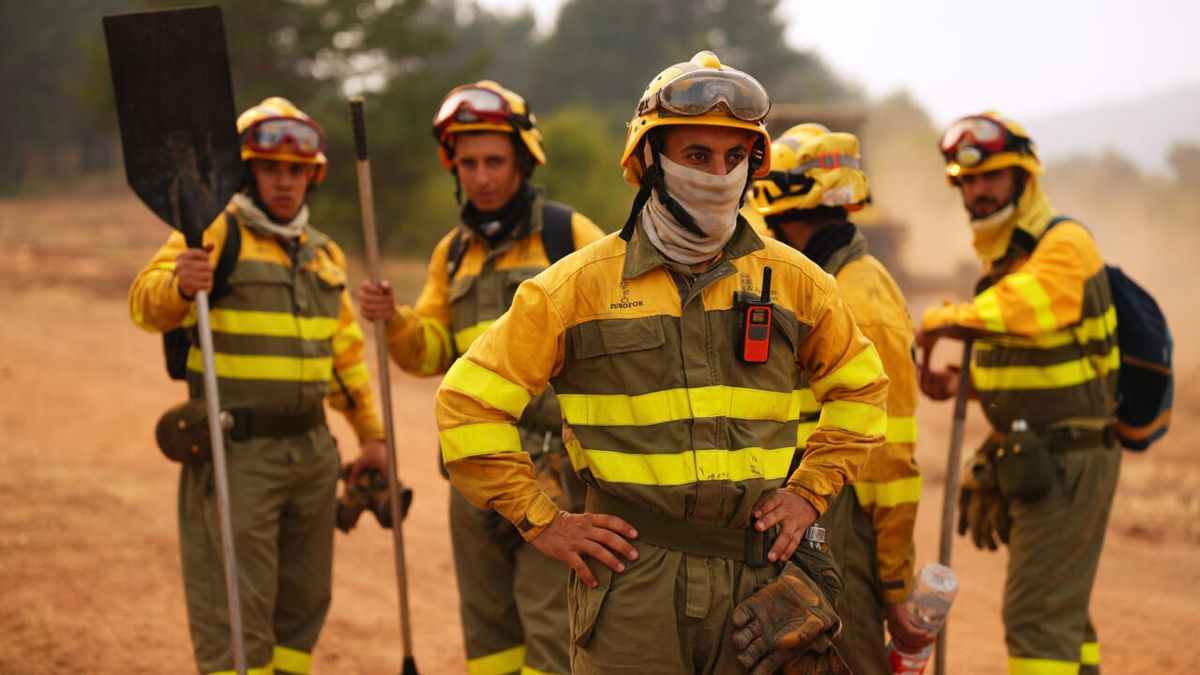
Southern Europe is currently grappling with a severe wave of wildfires, a recurring yet intensifying phenomenon that highlights the region's growing vulnerability to climate change. As of Wednesday, July 23, 2026, these blazes have claimed the lives of three firefighters and necessitated the evacuation of thousands across Sicily, southwestern France, and central Spain, straining emergency services and inflicting significant environmental and economic damage.
The fires, which have been raging for several days, are primarily fueled by a confluence of extreme meteorological conditions. Temperatures consistently topping 40 degrees Celsius, coupled with prolonged dry spells and strong, hot winds, have created an exceptionally combustible environment. In Sicily, Italy, regional head Renato Schifani reported that around 50 fires were still active, requiring the deployment of approximately 6,000 personnel and numerous water-bombing aircraft. The situation was described as "serious" by the Italian Civil Protection Agency, with a firefighter tragically dying after falling ill while battling the flames. Disturbingly, in neighboring Calabria, over 160 fires were recorded, with local civil protection officials attributing many to deliberate arson, citing instances of "malicious individuals" using incendiary devices.
In France, two firefighters lost their lives near Bordeaux airport, underscoring the perilous conditions faced by emergency responders. Two major fires in the southwest, including one that ravaged over 1,400 hectares in the picturesque Arcachon Basin, forced thousands from their homes and campsites. Another significant blaze in the Var region, which consumed 2,550 hectares, also led to hundreds of evacuations. French Interior Minister Laurent Nunez met with the families of the deceased firefighters amidst warnings from unions about worker exhaustion and resource shortages. While some fires are suspected to be accidental, such as one potentially started by forest-clearing machinery in Le Porge, the sheer scale points to broader systemic issues.
Spain has also been severely impacted, with authorities ordering evacuations around Toledo, south of Madrid, and major roads being cut off. This new blaze emerged as firefighters continued to battle a massive wildfire 100 kilometers north of Madrid, which had already devastated 32,000 hectares. The country experienced its worst year for forest fires in recent history in 2025, with over 393,000 hectares consumed, according to the European Forest Fire Information System.
This wave of wildfires transcends a mere environmental disaster; it represents a significant geopolitical and security challenge for Europe. Scientists unequivocally link the increasing frequency and severity of such extreme weather events to human-caused climate change, primarily from the burning of fossil fuels. This scientific consensus places immense pressure on national governments and the European Union to accelerate climate mitigation and adaptation strategies.
Resource Strain and Regional Stability: The simultaneous outbreaks across multiple nations highlight the immense strain on national emergency services. The deployment of thousands of firefighters, forest guards, and civil protection officials, alongside specialized aircraft, represents a substantial allocation of state resources. Should such events become more widespread and frequent, the capacity of individual nations to respond effectively will be severely tested, potentially necessitating greater cross-border cooperation and the activation of the EU Civil Protection Mechanism on a more regular basis. This also raises questions about the long-term sustainability of current emergency response models and the need for increased investment in preventative measures, such as improved forest management and early warning systems.
Economic and Social Impact: The economic repercussions are substantial. The destruction of vast tracts of forests impacts timber industries, biodiversity, and carbon sequestration efforts. Regions heavily reliant on tourism, such as the Arcachon Basin in France or coastal areas of Sicily, face significant economic losses due to evacuations and environmental degradation. Agricultural lands are also at risk, threatening livelihoods and food security. Socially, mass evacuations disrupt communities, cause psychological distress, and can lead to long-term displacement, particularly for vulnerable populations.
Policy Imperatives: The recurring nature and escalating intensity of these fires underscore the urgent need for robust climate policies. This includes not only global efforts to reduce greenhouse gas emissions but also national and regional strategies for climate adaptation. Governments face the challenge of balancing economic development with environmental protection, investing in resilient infrastructure, and developing comprehensive disaster preparedness plans. The suspected cases of arson in Italy also point to the need for enhanced law enforcement and public awareness campaigns to prevent human-induced ignitions, whether deliberate or accidental.
The wildfires currently devastating Southern Europe are a stark reminder of the profound and multifaceted challenges posed by a changing climate. They are not isolated incidents but rather symptoms of a broader environmental shift with significant implications for national security, economic stability, and social cohesion across the continent. As these events become more common and severe, the imperative for coordinated international action, robust national policies, and sustained investment in resilience will only grow, shaping the geopolitical landscape of Europe for decades to come.
Source referenced: FRANCE24
This brief was synthesized by our Editorial Engine and reviewed by The Ground Narrative team.