TRENDING

Wednesday, 21 October 2026
----------------------
10 Jumada Al-Awwal 1448 AH
Beyond Europe, a wave of protests over soaring living costs is sweeping across the globe, from Senegal to Costa Rica and Indonesia. This unrest highlights the deep structural vulnerabilities of ordinary citizens facing a volatile global economy.
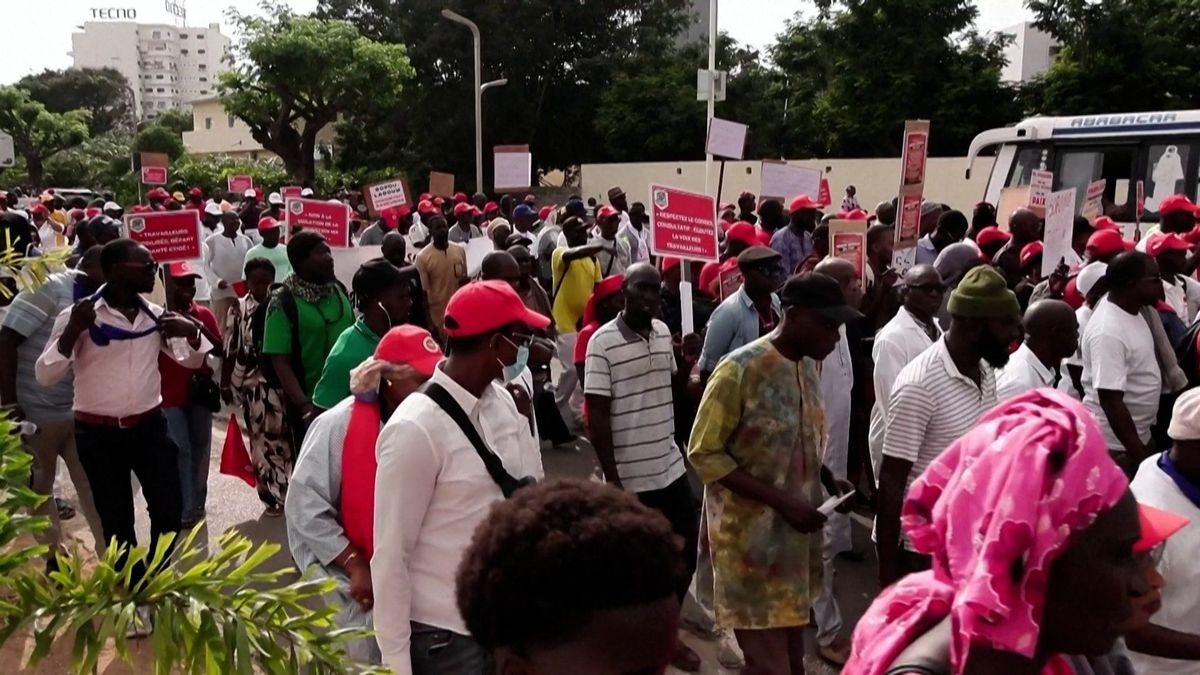
Across the globe, ordinary people are taking to the streets to protest the escalating cost of living. While media attention often focuses on Europe, the phenomenon is far more widespread, with significant demonstrations reported in nations like Senegal, Costa Rica, and Indonesia. These protests are a direct response to rising prices for essential goods and services, pushing millions into deeper economic precarity and sparking calls for urgent government intervention.
The current wave of global cost of living protests is not a series of isolated incidents but a symptom of interconnected power dynamics at play in the global economy. Several structural forces converge to create this widespread vulnerability, disproportionately affecting nations with less economic resilience.
First, global inflation has been a primary driver. Following the massive fiscal and monetary stimulus during the COVID-19 pandemic, coupled with persistent supply chain disruptions, prices for everything from food to fuel have surged. The conflict in Ukraine exacerbated this, particularly for energy and grain, impacting nations far from the immediate conflict zone. Central banks in major economies responded by aggressively raising interest rates, a move intended to cool inflation but which has ripple effects globally. For developing nations, this means higher borrowing costs, making it more expensive to service foreign-denominated debt and finance essential public services.
Second, the architecture of global trade and finance places many nations, particularly those in the Global South, in a precarious position. Countries heavily reliant on importing essential commodities like oil, gas, and staple foods are directly exposed to price volatility on international markets. When global prices spike, their national budgets strain, and local currencies weaken, making imports even more expensive. Governments often face a dilemma: either absorb the costs through subsidies, which can deplete national coffers and increase debt, or allow prices to rise, risking social unrest.
Third, political survival is a powerful motivator for national leaders. Faced with widespread public discontent, governments may resort to short-term fixes, such as price controls or increased welfare payments, which can be unsustainable. Alternatively, some may opt for repression to quell protests, further eroding democratic norms. The legitimacy of many governments, especially in nascent democracies, is directly tied to their ability to provide basic economic stability for their citizens. When this stability crumbles, the political landscape becomes volatile.
Finally, the influence of international financial institutions like the International Monetary Fund (IMF) and the World Bank plays a critical role. Often, nations facing economic crises seek loans from these bodies, which come with conditionalities. These conditions frequently include austerity measures, such as reducing public spending, privatizing state assets, and removing subsidies. While framed as necessary for long-term fiscal health, these measures can immediately worsen the living conditions for the poorest segments of society, fueling further public anger and protest.
The abstract economic forces of inflation, interest rates, and trade imbalances translate directly into profound human suffering and diminished quality of life for millions. The burden of these rising costs is not evenly distributed; it falls heaviest on those with the least capacity to absorb the shock.
For families in Senegal, Costa Rica, and Indonesia, and countless other nations, the rising cost of living means a daily struggle for basic survival. Food, which might have consumed 30-40% of a household's income, now takes 50-60% or more. This forces impossible choices: feeding children versus affording medicine, paying rent versus sending kids to school. Malnutrition, especially among children, becomes a silent epidemic, with long-term consequences for physical and cognitive development. In Indonesia, a country with a vast population, even marginal price increases for staples can push millions into poverty, undoing years of development gains.
As governments grapple with strained budgets, public services are often the first to be cut or underfunded. Healthcare systems, already fragile in many developing nations, become less accessible. Education suffers, as families withdraw children to save on school fees or to have them contribute to household income. This creates a vicious cycle, trapping generations in poverty and limiting social mobility. In Costa Rica, a nation proud of its social welfare system, economic downturns and rising costs threaten to unravel the fabric of its middle class, pushing more people into precarious informal labor.
Beyond the material deprivation, the constant stress of economic insecurity takes a severe psychological toll. Anxiety, depression, and hopelessness become widespread. Social cohesion can fray as competition for scarce resources intensifies. The protests themselves, while expressions of agency, often involve confrontation and can lead to violence, further destabilizing communities. Youth, who often bear the brunt of unemployment and lack of opportunity, are particularly vulnerable to disillusionment, leading to increased social unrest and potential radicalization.
Women often bear a disproportionate share of the human cost. As primary caregivers and household managers, they are often responsible for making impossible budget choices, ensuring food on the table with dwindling resources. They may reduce their own food intake to feed their children. Vulnerable groups, including the elderly, persons with disabilities, and ethnic minorities, also face heightened risks, often lacking the social safety nets to cushion the economic blows.
While governments and international bodies often frame the cost of living crisis as an unavoidable consequence of global events, there are critical elements they consistently downplay or omit in their public narratives. These omissions often serve to deflect accountability and maintain existing power structures.
Powerful actors, whether national governments or international institutions, frequently attribute the crisis solely to external factors like the Ukraine war, global supply chain issues, or climate change. While these are undeniably contributing factors, this narrative often downplays or ignores domestic mismanagement, corruption, and a lack of long-term economic planning. In many nations, including those experiencing protests, decades of poor governance, unsustainable debt accumulation, and a failure to diversify economies have created the very vulnerabilities that global shocks now exploit. Blaming external forces allows leaders to evade responsibility for internal policy failures.
Rarely highlighted in official statements is the role of corporate profiteering. During periods of crisis and supply disruption, major corporations in sectors like energy, food, and shipping often report record profits. While some argue this is simply market efficiency, critics point to evidence of price gouging and the exploitation of market concentration, where a few dominant players can dictate prices. This transfer of wealth from ordinary consumers to corporate shareholders is a significant, yet often unacknowledged, component of the rising cost of living, presented instead as an inevitable outcome of market forces.
As the world grapples with climate change, there is a global push towards a green transition. While essential, the immediate costs of shifting away from fossil fuels, without adequate investment in renewable infrastructure and social safety nets, can initially raise energy prices. Developed nations, having historically contributed most to climate change, often advocate for rapid transitions without fully funding the necessary support for developing economies. This means that citizens in countries like Senegal and Indonesia, who have contributed least to the problem, may bear a disproportionate share of the immediate economic burden of climate action, further exacerbating their cost of living struggles.
The most profound untold story is the inherent structural inequality of the global economic system itself. The current crisis exposes how fragile and dependent many developing nations are on a system designed and largely controlled by wealthier nations. Trade agreements, financial regulations, and commodity markets often favor powerful economies, leaving others vulnerable to exploitation and external shocks. The narrative of individual national failings often obscures this deeper systemic issue, preventing a more equitable restructuring of global finance and trade that could build genuine resilience for all.
The global cost of living crisis is far from over, and its trajectory will be shaped by several critical factors in the coming months and years. Monitoring these areas will provide insight into whether the powerful will adapt or continue to deflect.
First, observe government responses to the ongoing protests. Will leaders prioritize long-term structural reforms, such as diversifying economies and strengthening social safety nets, or will they opt for short-term fixes, increased repression, or unsustainable subsidies? The choice will dictate the stability and future trajectory of many nations.
Second, pay close attention to the global debt landscape. Many developing nations are teetering on the brink of debt crises, exacerbated by high interest rates and weakening currencies. Watch for potential defaults and the responses of international creditors. Will there be debt relief or further austerity measures that deepen human suffering?
Third, monitor social stability in affected regions. While protests are currently focused on economic grievances, they have the potential to escalate into broader political movements, challenging entrenched power structures and potentially leading to significant political upheaval or even violence. The upcoming election cycles in these nations will be critical indicators of public sentiment.
Finally, scrutinize the actions of international financial institutions and major global powers. Will there be genuine efforts to reform the global economic system to create more equitable and resilient frameworks, or will the current crisis be managed through piecemeal aid and conditional loans that perpetuate existing inequalities? The willingness of powerful nations to address the root causes of vulnerability, rather than just the symptoms, will be a key determinant of the human cost moving forward.
The protests are a global phenomenon driven by interconnected factors like post-pandemic inflation, supply chain disruptions, energy price volatility, and rising interest rates. These economic shocks disproportionately affect developing nations reliant on imports, leading to widespread public frustration.
The human cost includes increased food insecurity, reduced access to healthcare and education, and severe psychological stress for families. It also exacerbates social inequality, particularly impacting women and vulnerable groups, and can lead to broader social unrest and political instability.
Governments and institutions often downplay domestic mismanagement, corruption, and the role of corporate profiteering. They also tend to overlook the disproportionate burden of the green transition on developing nations and the inherent structural inequalities of the global economic system.
Source referenced: ALJAZEERA
This brief was synthesized by our Editorial Engine and reviewed by The Ground Narrative team.