TRENDING

Tuesday, 13 October 2026
----------------------
2 Jumada Al-Awwal 1448 AH
A Malaysian airline has cancelled flights to Singapore due to severe transboundary haze from Indonesian fires, plunging the region into a familiar public health and economic crisis. This recurring environmental disaster highlights deep-seated power imbalances and the complex interplay of economic interests, national sovereignty, and regional cooperation.
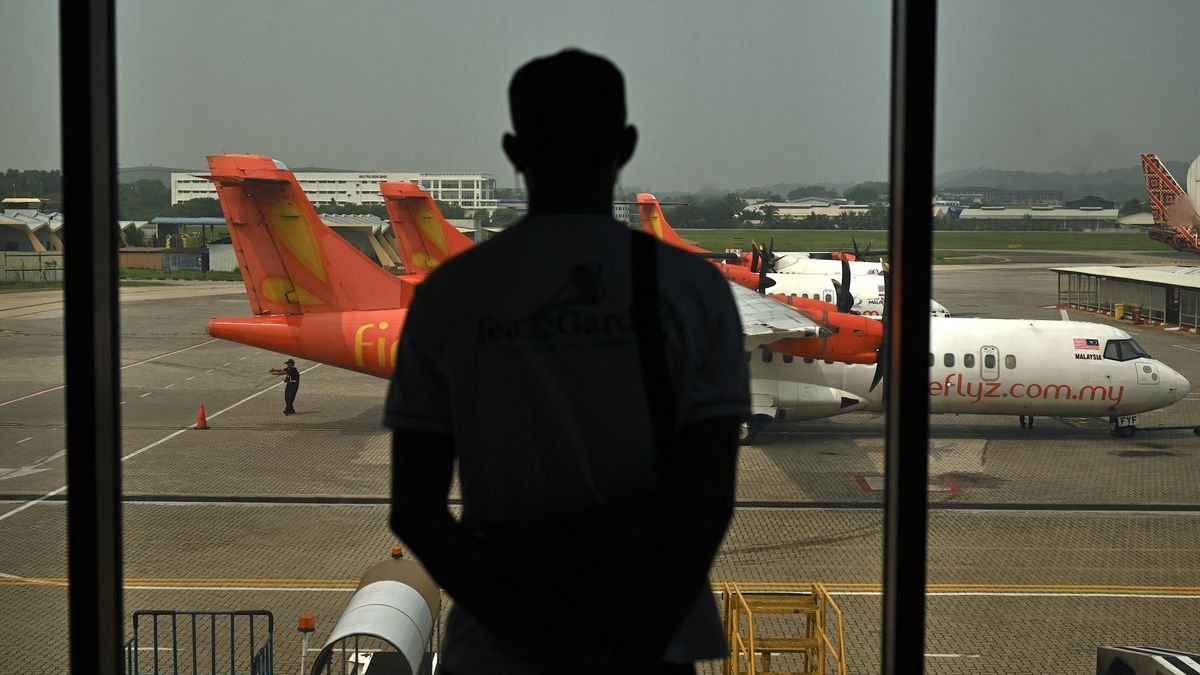
Firefly, a Malaysian low-cost airline, has extended the cancellation of its flights between Kuala Lumpur and Singapore due to severe transboundary haze. The smoke, originating primarily from forest and peatland fires in Indonesia, has blanketed much of Southeast Asia, pushing air quality in Singapore and Kuala Lumpur to hazardous levels and ranking them among the world's most polluted cities. This disruption, fueled by an intense El Nino weather pattern, has forced school closures in parts of Malaysia and prompted Singapore to reintroduce subsidized medical care for haze-related illnesses, underscoring the widespread impact of this recurring regional crisis.
The annual Southeast Asia haze crisis is not merely an environmental event; it is a stark demonstration of complex power dynamics, where national sovereignty, economic imperatives, and regional cooperation clash. At its core, the problem is rooted in land clearing practices, predominantly for agricultural expansion, within Indonesia.
Indonesia, as a sovereign nation, holds primary jurisdiction over its land and resources. This grants it the power to regulate land use, issue permits, and enforce environmental laws. However, the sheer scale of the country, coupled with the economic might of its palm oil and pulp and paper industries, creates a formidable challenge for effective oversight. These industries are massive contributors to Indonesia's GDP and provide millions of jobs, giving them significant political leverage. The incentive for rapid, low-cost land clearing, often through burning, remains a powerful driver, despite the known environmental and social consequences. This economic power often translates into a reluctance to adopt stricter, more costly, or slower land management practices that could jeopardize profits and livelihoods.
Conversely, smaller, more developed neighbors like Singapore and Malaysia bear the brunt of the haze but possess limited direct power to influence Indonesia's domestic policies. Their leverage is primarily diplomatic, channeled through the Association of Southeast Asian Nations (ASEAN). However, ASEAN operates on a principle of non-interference in the internal affairs of member states, a foundational tenet designed to maintain regional stability. While this principle fosters diplomatic harmony, it often paralyzes the bloc when a member's domestic actions have severe transboundary impacts. Malaysia's push to classify haze as a
The haze is primarily caused by large-scale forest and peatland fires in Indonesia, often ignited for cheap land clearing for palm oil and pulpwood plantations. Natural weather phenomena like El Nino exacerbate these fires by creating drier conditions.
Ordinary citizens in Malaysia and Singapore bear the brunt, suffering from severe respiratory illnesses, disrupted travel, and economic losses in sectors like tourism. Vulnerable populations like children, the elderly, and outdoor workers are particularly at risk.
Solving the haze is complex due to the interplay of Indonesian sovereignty, powerful corporate economic interests in palm oil, weak enforcement of environmental laws, and ASEAN's principle of non-interference, which limits collective regional action.
Source referenced: ALJAZEERA
This brief was synthesized by our Editorial Engine and reviewed by The Ground Narrative team.


