TRENDING

Tuesday, 13 October 2026
----------------------
2 Jumada Al-Awwal 1448 AH
China and New Zealand are deepening economic ties, particularly in services and new energy, amidst a complex global landscape. This move highlights Wellington's delicate balancing act between economic prosperity and its traditional alliances.
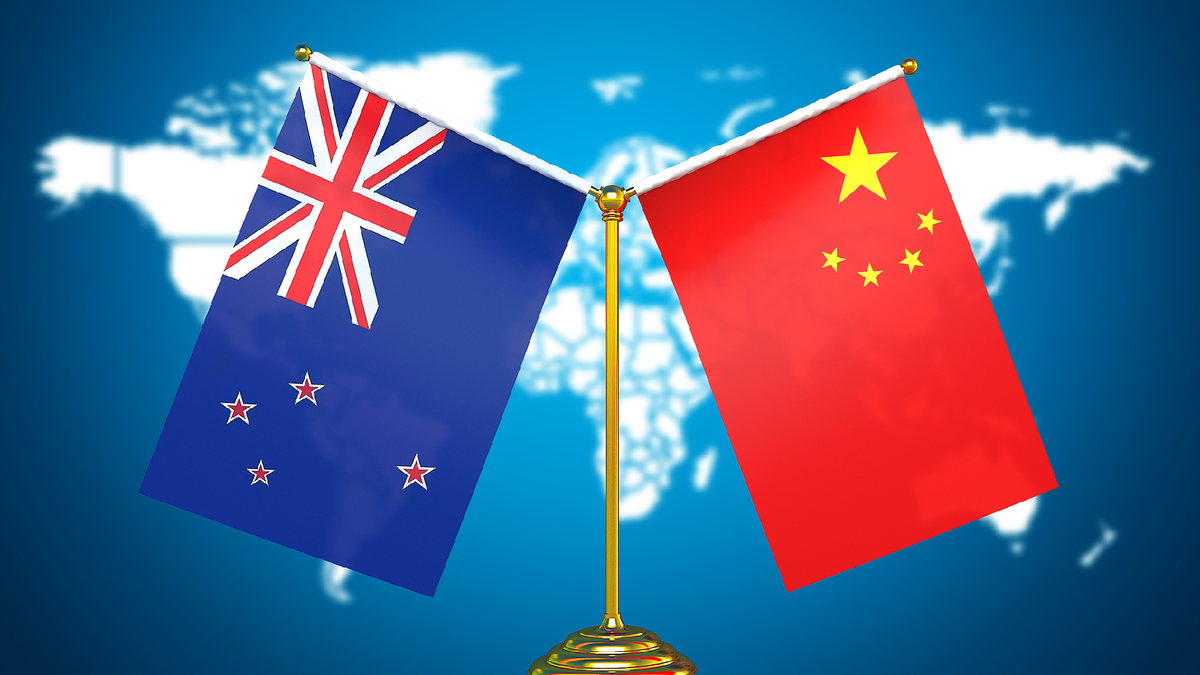
Chinese Premier Li Qiang and New Zealand Prime Minister Christopher Luxon recently held a phone conversation, signaling a significant push to expand cooperation between their two nations. The discussions focused on enhancing trade in services and exploring new partnerships in emerging sectors like new energy vehicles, photovoltaics, and wind power. Both leaders expressed a commitment to accelerating negotiations on a negative list for services trade under their existing Free Trade Agreement and deepening their comprehensive strategic partnership, with New Zealand reaffirming its adherence to the one-China policy and supporting China's role in hosting the APEC Economic Leaders' Meeting.
The expanded cooperation between China and New Zealand is a masterclass in economic statecraft, revealing the intricate web of incentives and dependencies that shape global power. For Beijing, this engagement is a strategic play on multiple fronts, designed to consolidate its economic influence, counter Western efforts to 'de-risk' supply chains, and bolster its narrative as a champion of multilateralism.
China's immense market size and growing middle class offer an irresistible draw for export-oriented economies like New Zealand. By proposing deeper integration in services and new energy, China is not merely seeking trade; it is securing access to raw materials, advanced technologies, and diplomatic support. The focus on new energy, in particular, aligns with China's ambitious industrial policy to dominate global green technology markets. Securing partners like New Zealand in this sector helps legitimize Beijing's climate diplomacy while simultaneously creating new export avenues for its burgeoning green tech industries. Furthermore, New Zealand's reaffirmation of the one-China policy is a significant diplomatic victory for Beijing, reinforcing its claims over Taiwan and signaling to other nations the diplomatic price of economic engagement.
For New Zealand, the calculus is primarily economic survival and prosperity. China is its largest trading partner, absorbing a substantial portion of its agricultural exports, particularly dairy and meat. Diversifying away from such a dominant market is a monumental task, making deeper engagement with Beijing appear as the path of least resistance for economic growth. The promise of expanded services trade and new energy cooperation offers fresh avenues for New Zealand's businesses and contributes to its own climate goals. However, this economic dependence comes with inherent vulnerabilities. Wellington must navigate a delicate balance between maximizing economic benefits from China and maintaining its traditional security alliances, particularly within the Five Eyes intelligence-sharing network (United States, United Kingdom, Canada, Australia). The current Luxon government, like its predecessors, appears to prioritize economic stability, betting that it can manage the geopolitical tightrope without alienating key partners.
This dynamic also plays into China's broader regional strategy in the Asia-Pacific. By strengthening bilateral ties with nations like New Zealand, Beijing aims to dilute the collective influence of Western alliances and promote a regional order more amenable to its interests. New Zealand's support for China hosting the APEC Economic Leaders' Meeting further legitimizes Beijing's leadership role in regional economic governance, potentially shaping future trade rules and standards in its favor.
While the headlines speak of expanded trade and strategic partnerships, the human cost of such deep economic entanglement with a major power like China often goes unexamined, particularly for the citizens of New Zealand and, by extension, other smaller nations navigating similar dilemmas.
For ordinary New Zealanders, the increasing reliance on China creates a significant economic vulnerability. Farmers, tourism operators, and education providers, whose livelihoods are directly tied to the Chinese market, face the risk of economic coercion. Should political tensions escalate, Beijing has demonstrated a willingness to use trade as a weapon, as seen in its past disputes with Australia. A sudden downturn in Chinese demand or punitive trade measures could devastate sectors of the New Zealand economy, impacting jobs, incomes, and regional stability. This economic leverage can subtly, or not so subtly, influence Wellington's foreign policy decisions, potentially compromising its ability to speak out on human rights issues or align with its traditional democratic partners without fear of economic reprisal. The choice between national values and economic prosperity becomes a constant, unspoken burden on the public.
The deepening ties also pose a challenge to New Zealand's democratic values. As economic dependence grows, there is a risk that public discourse on sensitive issues related to China – such as human rights in Xinjiang, the crackdown in Hong Kong, or the militarization of the South China Sea – may become muted. This self-censorship, driven by economic anxieties, can erode the public's ability to hold its government accountable and engage in robust debate about the nation's long-term strategic direction. For citizens, this can manifest as a feeling of disempowerment, where decisions made in distant capitals or corporate boardrooms directly impact their freedoms and future without adequate public consultation.
The human cost extends beyond New Zealand's borders. As Wellington deepens its ties with Beijing, it inadvertently contributes to the broader geopolitical shifts in the Pacific. Smaller Pacific Island nations, already grappling with climate change and limited resources, watch these dynamics closely. New Zealand's example of prioritizing economic engagement with China might influence their own choices, potentially drawing them further into Beijing's orbit and away from traditional partners. This could have long-term implications for regional security, environmental governance, and the democratic resilience of these vulnerable states, impacting the livelihoods and autonomy of their populations.
Behind the official statements of
China and New Zealand are looking to expand cooperation in services trade, new energy vehicles, photovoltaics, and wind power. They are also accelerating negotiations on a negative list for services trade under their existing Free Trade Agreement.
New Zealand's deepening economic ties with China create a delicate balancing act, as it must maintain strong economic relations with Beijing while also upholding its security commitments and shared values with traditional allies like the United States and Australia within the Five Eyes network.
New Zealand's reaffirmation of the one-China policy is a significant diplomatic win for Beijing, reinforcing its claims over Taiwan. It signals Wellington's prioritization of economic engagement with China, potentially at the cost of a more robust stance on human rights or democratic autonomy issues.
Source referenced: CGTN
This brief was synthesized by our Editorial Engine and reviewed by The Ground Narrative team.