TRENDING

Tuesday, 13 October 2026
----------------------
2 Jumada Al-Awwal 1448 AH
Renewed clashes in Ethiopia’s Tigray region have drawn the United Arab Emirates and Saudi Arabia into a complex web of commercial and diplomatic interests. This analysis unpacks who wields power, who suffers, and what the Gulf states may be leaving out.
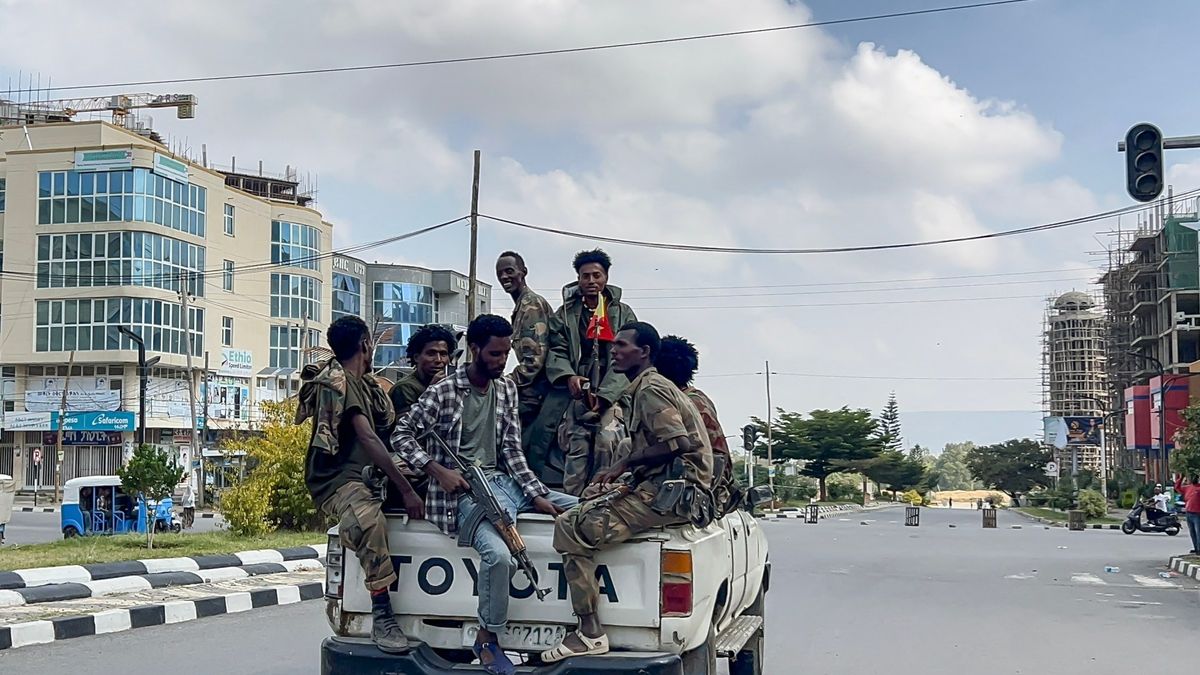
On 4 October 2026 federal forces and allied militias entered Mekelle, the capital of Tigray, after weeks of intensified fighting that broke the November 2022 Pretoria peace accord. The resurgence follows a series of cross‑border skirmishes involving Eritrean troops, disputed control of strategic airfields, and a surge of armed groups in the Afar and Amhara zones. International observers report heavy artillery use, civilian casualties, and a sharp contraction of humanitarian corridors, reigniting fears of a broader Horn‑of‑Africa conflagration.
The Gulf’s interest in the conflict is rooted in a mix of commercial leverage, security calculations, and regional prestige. The UAE has invested heavily in the Berbera port through DP World, turning it into a gateway for Ethiopian imports and a counterweight to Djibouti’s dominance. By publicly backing Addis Ababa, Abu Dhabi hopes to safeguard that trade artery, ensure stable cargo flows to Jebel Ali, and project influence over a landlocked market that fuels its logistics empire. Simultaneously, the Saudi Arabia‑Eritrea axis reflects Riyadh’s desire to anchor Red Sea security, protect oil export routes, and counter Iranian‑aligned actors. Saudi diplomatic overtures in 2025‑26 aimed to mediate Ethiopia‑Eritrea tensions, but the kingdom’s lack of a clear public stance on the latest Tigray flare‑up suggests a calculated ambiguity: staying engaged enough to preserve bargaining chips, yet avoiding direct entanglement that could obligate Riyadh to military support. Both states also juggle domestic narratives—Abu Dhabi showcasing its role as a peace‑promoting investor, Riyadh positioning itself as a regional mediator—while navigating the United States’ 5th Fleet presence and China’s growing foothold in African infrastructure.
The renewed hostilities have devastated Tigrayan civilians, already reeling from years of siege, displacement, and disease. United Nations estimates indicate over 1.2 million people have been forced to flee Mekelle alone, with many seeking shelter in overcrowded camps in the Afar region where water scarcity and malaria are rampant. Humanitarian aid convoys, once able to reach 80 percent of the population, now operate at less than 40 percent capacity due to road blockades and the targeting of aid warehouses. Health facilities report shortages of essential medicines, while schools remain closed, jeopardizing an entire generation’s education. The economic shock ripples beyond Tigray: farmers in Amhara lose access to markets, traders in Addis Ababa face price spikes for imported grain, and the informal cross‑border trade that sustains millions of Somali and Eritrean families stalls. The psychological toll—trauma, loss of livelihood, and the erosion of social cohesion—creates a long‑term burden that no diplomatic statement can erase.
Public statements from Abu Dhabi and Riyadh gloss over the depth of their commercial and security entanglements. While the UAE loudly declares support for Ethiopia’s sovereignty, it does not disclose the scale of financing or arms shipments that may be flowing to federal forces, nor does it reveal any leverage it might wield over the TPLF’s political leadership. Likewise, Saudi Arabia’s historic role in brokering Ethiopia‑Eritrea talks is highlighted, but its covert naval deployments in the Red Sea—part of a broader Red Sea security initiative that includes joint exercises with Egypt and the United States—hint at a strategic calculus aimed at containing Iranian influence, which could indirectly embolden Eritrean posturing. Both capitals downplay the possibility that their economic stakes could pressure Addis Ababa into a hard‑line military approach, sacrificing civilian safety for the protection of trade routes and port revenues.
The next few months will reveal whether the Pretoria Agreement can be resurrected or if it will dissolve under renewed fire. Key indicators include any shift in UAE‑funded infrastructure projects that might be paused, signaling a loss of confidence in Ethiopia’s stability, and Saudi diplomatic traffic—particularly back‑channel talks with Eritrean officials that could precede a formal mediation offer. Watch for changes in United States and Chinese engagement in the Horn, as their competing aid packages and naval postures could tip the balance of regional alliances. Finally, monitor humanitarian access reports: a sudden reopening of supply corridors would suggest external pressure is bearing fruit, whereas continued blockage would underscore the limits of Gulf influence and the growing risk of a wider regional spill‑over.
The UAE, through DP World, operates the Berbera port in Somaliland, linking it to Jebel Ali and providing a trade corridor for landlocked Ethiopia. This investment gives Abu Dhabi leverage over Ethiopian imports and a strategic foothold that competes with Djibouti’s port dominance.
Saudi Arabia has previously mediated between Ethiopia and Eritrea and backs Red Sea security initiatives. Its past role gives Riyadh credibility to propose new talks, but its ambiguous stance on the current fighting suggests it may prioritize broader regional balance over direct intervention.
Source referenced: ALJAZEERA
This brief was synthesized by our Editorial Engine and reviewed by The Ground Narrative team.


