TRENDING

Tuesday, 13 October 2026
----------------------
2 Jumada Al-Awwal 1448 AH
President Mahmoud Abbas cancelled the November 2026 legislative vote, pushing both parliamentary and presidential elections to September 2027. The move deepens the political vacuum and raises questions about who truly benefits.
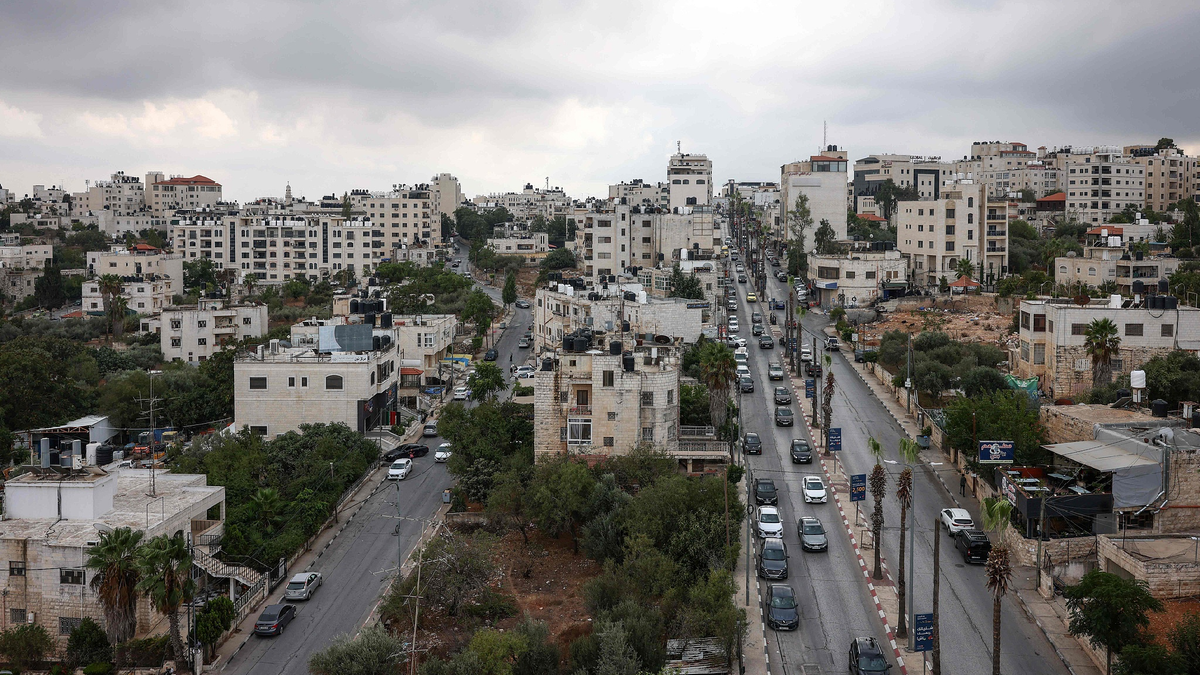
Palestinian President Mahmoud Abbas issued a decree on October 10, 2026 cancelling the legislative elections slated for November 28, 2026. The same decree set a new timetable: presidential and legislative elections will now be held on September 11, 2027, according to the official Palestinian news agency WAFA.
The decision came just weeks after a series of stalled talks between the Palestinian Authority (PA) and Hamas, and amid growing public frustration over the lack of democratic renewal. International observers had already warned that the November vote risked low turnout due to restrictions on movement, voter registration disputes, and the absence of a unified electoral framework.
Abbas’s move can be read as a defensive strategy to preserve the Palestinian Authority’s fragile grip on the West Bank. By postponing elections, he avoids a direct contest with rival factions, especially Hamas, which controls Gaza and enjoys significant popular support. A contested election could have exposed internal divisions, weakened the PA’s negotiating position with Israel, and jeopardized the aid flows that keep the PA’s bureaucracy afloat.
Key external actors—the United States, the European Union, and Gulf donors—have long conditioned financial assistance on political stability and a unified Palestinian front. Delaying elections buys Abbas time to align the PA’s internal reforms with donor expectations, presenting a narrative of “responsible governance” while sidestepping the risk of an electoral upset that could trigger a donor freeze.
The PA’s budget is heavily dependent on foreign aid, tax transfers from Israel, and remittances. An election could destabilize these revenue streams, especially if a new leadership pursued a different fiscal policy or sought to renegotiate tax collection agreements with Israel. By extending the current term, Abbas ensures continuity of the existing fiscal arrangements, which benefit both the PA elite and the external financiers who prefer predictability.
Security cooperation with Israel remains a contentious issue. The PA’s security forces, under Abbas’s command, coordinate with Israeli counterparts to curb militant activity. A new government—particularly one with a stronger Hamas presence—might threaten this coordination, risking a security vacuum that could invite harsher Israeli measures in the West Bank. The postponement thus safeguards a delicate security partnership that serves both Israeli and PA interests.
Ordinary Palestinians in the West Bank face a deepening sense of political disenfranchisement. The cancellation erodes trust in institutions that already struggle to deliver basic services like water, electricity, and healthcare. Young people, who constitute the majority of the population, see their future prospects dim as the promise of democratic renewal fades.
In Gaza, the delay reinforces the perception that the PA is indifferent to the daily hardships caused by the blockade, electricity shortages, and unemployment rates that hover above 50%. Hamas capitalizes on this sentiment, framing the postponement as evidence of PA abandonment, which fuels further radicalization and undermines any potential reconciliation.
Local NGOs that depend on international grants for projects ranging from education to women’s rights find their planning cycles disrupted. Funding cycles often align with election calendars; uncertainty forces donors to postpone or reallocate resources, leaving community programs under‑financed at a time when they are most needed.
Construction workers, small‑scale traders, and informal sector laborers experience indirect effects. The political stalemate discourages private investment, stalls infrastructure projects, and perpetuates a climate of uncertainty that hampers job creation. As a result, household incomes remain stagnant, and poverty rates inch higher.
Official statements from the EU and US emphasize “support for democratic processes” while quietly praising Abbas for “maintaining stability.” What is omitted is the extent to which aid packages are contingent on political compliance, effectively turning financial assistance into a lever for shaping Palestinian internal politics.
Israeli officials rarely comment on the internal timing of Palestinian elections, yet internal memos reveal a preference for a predictable PA leadership that cooperates on security matters. The postponement reduces the risk of a Hamas‑aligned government that could challenge Israeli security protocols in the West Bank.
Abbas, now in his late 80s, faces a personal survival dilemma. Retaining power until 2027 allows him to negotiate a potential succession plan that could keep his loyalists in key ministries. The decree sidesteps a direct electoral test that might expose his waning legitimacy and accelerate calls for his removal.
State‑aligned media in Jordan, Egypt, and Saudi Arabia present the delay as a “necessary adjustment” to ensure a “fair and orderly” election. This framing downplays the political maneuvering involved and shields regional powers from criticism that they benefit from a fragmented Palestinian leadership.
- Negotiations between the PA and Hamas: Any breakthrough or breakdown will signal whether the 2027 timetable is a genuine attempt at unity or a stalling tactic.
- Donor Funding Cycles: Watch for shifts in EU, US, and Gulf aid allocations tied to the election timeline; sudden freezes could indicate pressure on Abbas.
- Israeli Settlement Policy: Changes in settlement expansion or security operations in the West Bank may reflect Israel’s assessment of the PA’s political stability.
- Grassroots Mobilization: Increased protests or civil society campaigns demanding a vote could force Abbas to reconsider the schedule.
- Regional Diplomatic Moves: Moves by Saudi Arabia or Qatar to mediate a reconciliation could alter the power balance ahead of 2027.
Staying attuned to these dynamics will reveal whether the postponed election is a temporary pause or a longer‑term reshaping of Palestinian governance.
Abbas cited security concerns, logistical challenges, and the need for political unity, but analysts see it as a move to preserve his authority and maintain donor‑linked stability.
The postponement deepens political disenfranchisement, stalls reforms, and hampers aid‑driven projects, leaving many without improved services or economic opportunities.
Donors like the EU, US, and Gulf states tie financial assistance to political stability, subtly pressuring the PA to avoid elections that could destabilize the status quo.
Source referenced: CGTN
This brief was synthesized by our Editorial Engine and reviewed by The Ground Narrative team.