TRENDING

Monday, 26 October 2026
----------------------
15 Jumada Al-Awwal 1448 AH
A youth‑led bloc swept Serbia's snap parliamentary vote, ending Aleksandar Vučić's decade‑long dominance. The coming months will reveal how new leaders translate protest energy into policy.
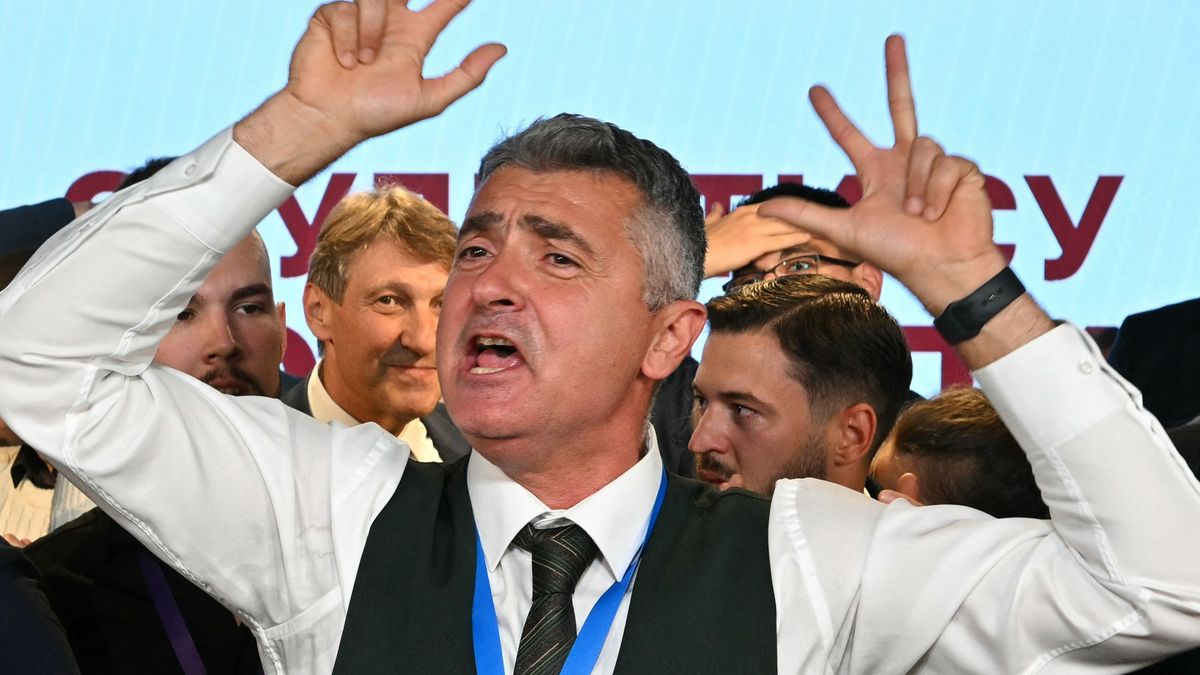
The Student List, a coalition of university students, doctors, and workers, captured 52.54% of the vote in Serbia’s snap parliamentary election on 25 October 2026. With a projected 140 seats in the 250‑member National Assembly, the bloc secured a clear majority, leaving the former ruling Serbian Progressive Party (led by Aleksandar Vučić) with roughly 103 seats. Voter turnout hit a record 68.78%, the highest in three decades, reflecting widespread public engagement after two years of mass protests sparked by a deadly railway station collapse in Novi Sad. The election results, still awaiting final certification, set the stage for a new government to be formed within 90 days of the parliament’s first session. While the Student List has not named a prime‑ministerial candidate, cardiologist Ilija Srdanović—its most visible public face—emerges as a leading contender. Meanwhile, the presidency, temporarily held by Ana Brnabić, must hold a direct election by 27 December 2026, though the role remains largely ceremonial.
Serbia’s semi‑presidential system concentrates real executive authority in the prime minister and the cabinet, while the president’s powers are limited to foreign‑policy representation and ceremonial duties. The Student List’s outright majority eliminates the need for coalition bargaining, allowing it to appoint ministers without conceding portfolios to smaller ethnic parties that traditionally hold sway in the Vojvodina region. This structural advantage gives the new bloc a rare window to embed reformist agendas before internal factionalism solidifies.
Despite the electoral loss, Vučić retains significant informal power through patronage networks within the security services, state‑owned enterprises, and the media. By stepping down as president, he avoids a direct constitutional showdown while positioning loyalists in key ministries—especially internal affairs and finance—to safeguard economic interests tied to construction contracts and energy imports. The timing of the snap vote, called by Vučić himself, suggests a calculated gamble: an early election could catch the opposition unprepared, but the prolonged protests forced his hand.
Serbia’s foreign policy has long balanced EU accession aspirations with close ties to Russia and China. The Student List’s pledge to improve relations with neighbours signals a potential pivot toward EU‑compatible reforms, especially in media freedom and judiciary independence. However, the bloc must also navigate existing energy deals with Russian gas pipelines and Chinese infrastructure loans, which are embedded in long‑term contracts that limit rapid policy shifts without incurring penalties.
The protests that propelled the Student List were sparked by the 2024 Novi Sad canopy collapse, which killed 16 people—most of them construction workers and commuters. Families of the victims have demanded accountability for lax building standards and corrupt procurement practices. A new government that fails to overhaul the construction licensing regime risks perpetuating unsafe workplaces for thousands of laborers in Serbia’s growing urban centers.
While the Student List’s platform emphasizes national reforms, its dominance could marginalize the Alliance of Vojvodina Hungarians and the Albanian minority bloc, each holding a handful of seats. Rural voters in Vojvodina rely on subsidies for agriculture; any abrupt policy changes to EU‑style subsidy structures could jeopardize their livelihoods if not managed carefully.
Serbia’s public sector—teachers, healthcare workers, and civil servants—has endured years of wage stagnation and understaffing. The Student List’s promise to raise living standards hinges on fiscal capacity. If the new cabinet cannot secure external financing or re‑negotiate debt terms, austerity measures may be imposed, directly affecting salaries and service delivery for ordinary citizens.
Official statements celebrate a clean‑break from the past, yet the security apparatus remains staffed by officers appointed during Vučić’s tenure. Intelligence reports indicate that senior police officials have been briefed on maintaining “public order” during the transition, a euphemism often used to justify crackdowns on dissent. This continuity suggests that the old power structure may still influence law‑enforcement decisions, especially concerning anti‑corruption investigations.
State‑aligned media outlets have downplayed the scale of the Student List’s victory, framing it as a “temporary protest wave” rather than a systemic shift. Independent journalists report that several major broadcasters are still owned by conglomerates with ties to Vučić’s business allies. By limiting the reach of reformist messaging, these entities aim to preserve the status quo and sow doubt about the new government’s competence.
Serbia’s external debt, largely owed to Chinese state‑owned banks and Russian energy firms, is not highlighted in domestic discourse. Restructuring these obligations would require concessions that could be politically costly, such as accepting stricter environmental standards or ceding strategic control over energy infrastructure. The omission of these constraints from public debates masks the fiscal limits the Student List will face.
- Cabinet Appointments: The selection of ministers for internal affairs, finance, and justice will reveal whether the Student List truly intends to dismantle entrenched patronage or simply reshuffle it.
- Presidential Election Outcome: A new president, even if ceremonial, can influence Serbia’s foreign‑policy orientation, especially if the winner leans toward either EU integration or traditional allies.
- EU Accession Talks: Progress—or stagnation—in the EU accession process will serve as a barometer for how quickly Serbia can align its institutions with European standards.
- Public Sector Strikes: Teachers, healthcare workers, and public‑sector unions are likely to test the new government’s commitment to wage reforms; any large‑scale strike could pressure the cabinet into rapid policy concessions.
- Energy Contract Renegotiations: Monitoring negotiations with Russian gas suppliers and Chinese infrastructure lenders will indicate whether Serbia can pivot toward diversified energy sources without triggering economic shock.
By tracking these developments, observers can gauge whether Serbia’s youthful surge translates into durable democratic change or merely reshapes the existing power landscape under a different banner.
While the Student List has not officially named a candidate, cardiologist **Ilija Srdanović**, who led the campaign, is widely seen as the front‑runner for the premiership.
The government must balance fiscal constraints from large Chinese and Russian debt obligations with promises to raise wages and improve public services, a tension that could limit the scope of immediate reforms.
The Student List has pledged to align with EU standards on media freedom and judiciary independence, but progress will depend on how quickly it can address corruption and renegotiate existing energy contracts.
Editor's Note: Analysis based on publicly available election data and expert assessments of Serbia's political institutions.
Source referenced: ALJAZEERA
This brief was synthesized by our Editorial Engine and reviewed by The Ground Narrative team.


