TRENDING

Monday, 26 October 2026
----------------------
15 Jumada Al-Awwal 1448 AH
US midterm elections in November 2026 could dramatically shift the balance of power in Washington, empowering Democrats to reshape America's approach to global conflicts and domestic accountability. Voters' anger over economic hardship and ongoing wars is driving a potential congressional overhaul with far-reaching consequences.
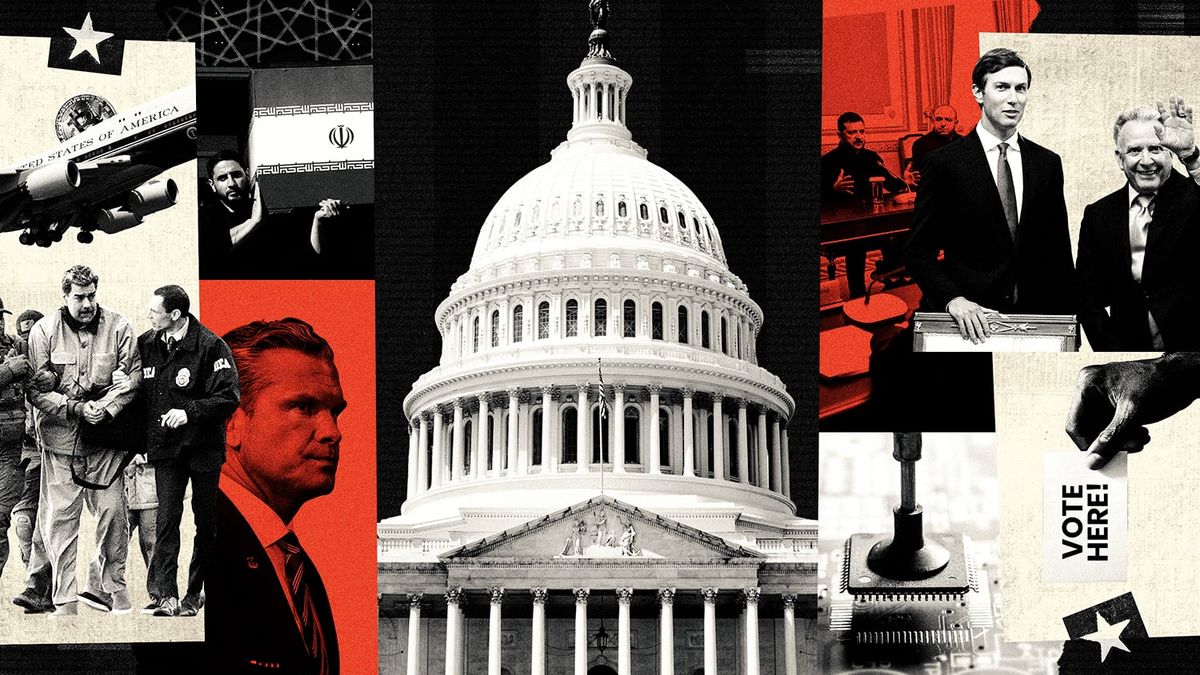
As the United States approaches its November 2026 midterm elections, political forecasters widely anticipate a significant shift in power dynamics within Washington. The Democratic Party is projected to gain control of the House of Representatives, and their chances of securing the Senate have notably improved. This potential electoral victory would grant Democrats substantial leverage over US foreign policy, enabling them to oversee military and foreign aid spending, convene high-profile investigative hearings, and potentially block key executive branch appointments. The anticipated priorities include scrutinizing alleged corruption within the Trump administration, challenging the ongoing Iran war, and re-evaluating US commitments to Ukraine and NATO.
The impending shift in congressional control represents a fundamental recalibration of power between the executive and legislative branches in Washington. Should Democrats secure either one or both chambers, they would acquire potent tools to check the Trump administration's foreign policy agenda. The ability to write and approve annual military and foreign aid spending bills is paramount. This legislative power allows Congress to dictate funding levels for ongoing conflicts, such as the Iran war, and to allocate resources for allies like Ukraine. Historically, control over the purse strings has been Congress's most formidable weapon against an executive branch pursuing policies it opposes.
Beyond budgetary control, a Democratic-led Congress would gain significant oversight capabilities. Committees in both the House and Senate could launch extensive investigations into the Trump administration's foreign policy decisions and alleged ethical breaches. This includes issuing subpoenas, compelling testimony, and demanding access to classified information. Such inquiries would not only serve to expose potential wrongdoing but also to shape public opinion and exert political pressure. The focus on alleged corruption, particularly concerning foreign money influencing White House decisions—such as the reported Qatari jet gift or Abu Dhabi's investments linked to sensitive technology exports—highlights a desire to reassert ethical boundaries in foreign relations. This isn't merely about political point-scoring; it's about the structural integrity of US foreign policy, questioning whether national interest or personal gain is driving decisions.
In the Senate, a Democratic majority would gain the crucial power to block the president's national security nominees. This can be a powerful negotiating chip, forcing the administration to compromise on policy or choose less controversial appointments. The current concerns raised by senators about the lack of qualified ambassadors in key regions, specifically the Gulf, underscore a belief that the administration is deliberately circumventing traditional diplomatic channels to facilitate personal business interests. This dynamic pits the institutional power of Congress against the executive's prerogative in foreign affairs, with the potential for significant gridlock or forced concessions.
The underlying driver for many of these Democratic priorities is domestic voter sentiment. Public anger over high gas prices, inflation, and the perceived lack of a clear strategy in the Iran war is directly influencing the political calculus. For Democrats, addressing these issues through foreign policy adjustments is a path to political survival and electoral success. This creates a feedback loop where domestic economic concerns directly translate into pressure for changes in international engagement. The unpopularity of the Iran war, for instance, is not just a moral or strategic concern for Democrats but a potent campaign issue that resonates with a broad segment of the American electorate, making its curtailment a political imperative.
Finally, the debate over Ukraine aid and NATO commitments reveals a fundamental tension within US foreign policy. While the Trump administration has pursued policies that have rattled European partners—threatening troop drawdowns and taking stances favorable to Russia—Democrats aim to reaffirm traditional alliances. This reflects a differing view on the value of multilateralism and collective security. The push to bolster Ukraine Security Assistance Initiative funding and ensure timely weapons procurement is not just about supporting an ally but about signaling a return to a more predictable and alliance-centric US foreign policy, contrasting sharply with the transactional approach favored by the current administration.
The political maneuvering in Washington is far from an abstract exercise; its consequences ripple across continents, directly impacting the lives of millions. At the most immediate level, the Iran war carries a devastating human toll. US service members deployed to the Middle East face constant threats, particularly from drone attacks, as highlighted by concerns over their protection. The raw intelligence mentions the casket of U.S. Army Sgt. Angel Rampersad, killed in action, serving as a stark reminder of the ultimate sacrifice. Beyond fatalities, countless others endure physical injuries, psychological trauma, and the profound disruption of their lives and families. The opaque nature of the conflict means the full extent of US casualties and the long-term health burdens on veterans remain largely obscured from public view.
Back home, American consumers are directly paying the price for the Iran war and the Trump administration's trade policies. Voters are
Source referenced: FOREIGNPOLICY
This brief was synthesized by our Editorial Engine and reviewed by The Ground Narrative team.