TRENDING

Monday, 26 October 2026
----------------------
15 Jumada Al-Awwal 1448 AH
Key European defense ministers convened in Paris to discuss military aid for Ukraine, even as intense attacks continue to claim lives and damage infrastructure in both Ukraine and Russia. This meeting unfolds against a backdrop of escalating conflict and complex diplomatic maneuvering.
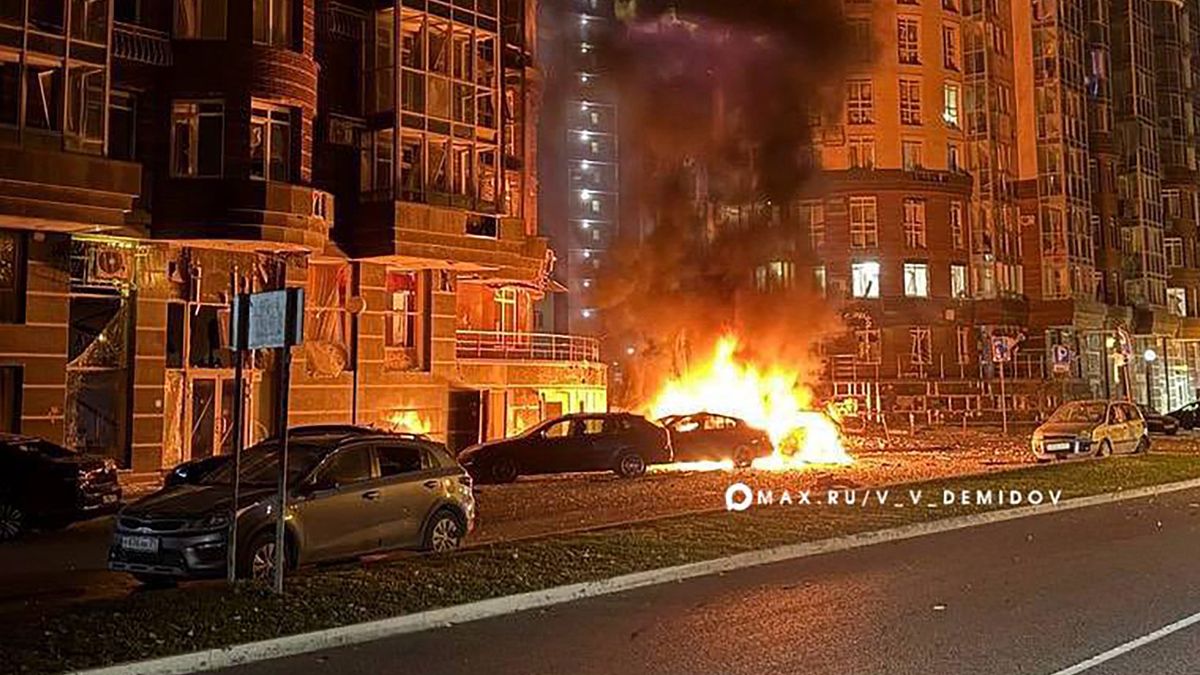
Defence ministers from France, Germany, Italy, Poland, and the United Kingdom recently gathered in Paris to deliberate on continued military assistance for Ukraine, broader European defense strategies, and the regional conflict in the Middle East. This high-level meeting occurred as the conflict between Russia and Ukraine intensified, now in its fifth year. Recent days saw a Ukrainian drone attack on Russia's Voronezh region, resulting in two deaths and seventeen injuries, many of whom were commuters on a train hit by falling debris. Simultaneously, Russian forces launched strikes across Ukraine, injuring civilians in Zaporizhzhia and Chernihiv, and targeting critical power infrastructure in Kharkiv and Khmelnytskyi, as well as port facilities in Chornomorsk and a cargo vessel en route to Odesa.
The Paris meeting represents Europe's ongoing effort to project unity and resolve in supporting Ukraine, signaling to Moscow that its commitment remains firm. However, this display of solidarity often masks a complex web of internal power dynamics, economic pressures, and external influences that shape the continent's actual response. The five nations present are significant players, but their individual strategic priorities and domestic political landscapes frequently diverge, impacting the speed and scale of aid delivery.
One critical power dynamic at play is the delicate balance between European autonomy and US influence. While European leaders strive to bolster their own defense capabilities and decision-making, the shadow of Washington's strategic direction, particularly from a potentially shifting US administration, looms large. US President Donald Trump's demand for Kyiv to halt strikes on Russian oil refineries, and Zelenskyy's subsequent plea for US permission to use Starshield over Russia or receive Patriot missiles, starkly illustrate America's enduring leverage over Ukraine's operational choices and its access to advanced technology. The recent restrictions and subsequent restoration of Starlink/Starshield further underscore this technological dependency, effectively giving Washington a significant veto power over certain Ukrainian military actions.
The escalation cycle itself is a brutal demonstration of power. Ukraine's deep strikes into Russian territory, particularly targeting oil refineries, aim to disrupt Moscow's war economy and create internal pressure. These actions are a direct response to Russia's relentless bombardment of Ukrainian cities and critical infrastructure, a strategy designed to break Kyiv's will and destabilize its economy. Both sides use civilian-impacting attacks as leverage, turning infrastructure into a weapon and populations into pawns. The underlying incentive for each side is to improve its bargaining position ahead of potential negotiations, such as the upcoming meeting in Abu Dhabi involving Ukraine, Russia, and the United States.
Economically, the conflict has become a massive stimulus for the defense industrial bases in both Europe and the US. As European ministers discuss
Source referenced: ALJAZEERA
This brief was synthesized by our Editorial Engine and reviewed by The Ground Narrative team.