TRENDING

Monday, 26 October 2026
----------------------
15 Jumada Al-Awwal 1448 AH
China and Pakistan are forging ahead with massive infrastructure projects along the Indus River, part of the ambitious China-Pakistan Economic Corridor. This analysis delves into the power mechanics, human costs, and untold stories behind these transformative developments.
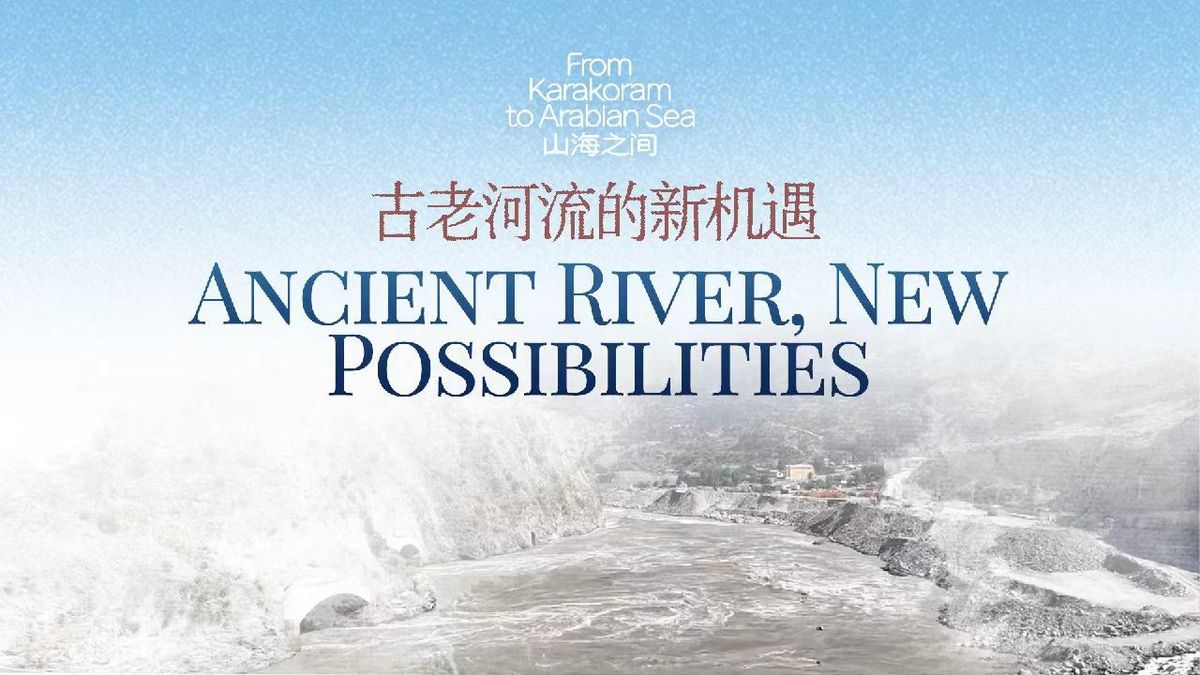
Pakistan and China are jointly developing colossal infrastructure projects along the Indus River, a cornerstone of the China-Pakistan Economic Corridor (CPEC). This multi-billion dollar initiative, a flagship component of China's Belt and Road Initiative (BRI), aims to connect China's western regions to the Arabian Sea via Pakistan's Gwadar Port. Key projects include the Diamer-Bhasha Dam and the Dasu Hydropower Project, designed to address Pakistan's chronic energy shortages, enhance water security, and boost agricultural output, with significant investment, technology, and personnel from China.
The construction along the Indus River is not merely about dams and roads; it is a profound reshaping of regional power dynamics, driven by the strategic imperatives of both China and Pakistan. For Beijing, CPEC is a vital artery of its Belt and Road Initiative, offering a shorter, more secure trade route to the Middle East and Africa that bypasses the congested and strategically vulnerable Malacca Strait. It allows China to export its industrial overcapacity, secure energy supplies, and extend its geopolitical influence into South Asia and beyond, cementing its role as a global economic and strategic power.
For Pakistan, the motivations are equally fundamental. Facing persistent energy crises, water scarcity, and a desperate need for economic development, CPEC represents a lifeline. It promises to unlock economic growth, create jobs, and modernize the country's dilapidated infrastructure. Crucially, it solidifies Pakistan's
Source referenced: CGTN
This brief was synthesized by our Editorial Engine and reviewed by The Ground Narrative team.