TRENDING

Monday, 5 October 2026
----------------------
24 Rabi' Al-Thani 1448 AH
Russian forces have destroyed and rebuilt parts of Mariupol, selling new apartments to Russian citizens at low interest rates, while former residents are left to pick up the pieces. The city's transformation is a stark example of the human cost of war and the power dynamics at play.
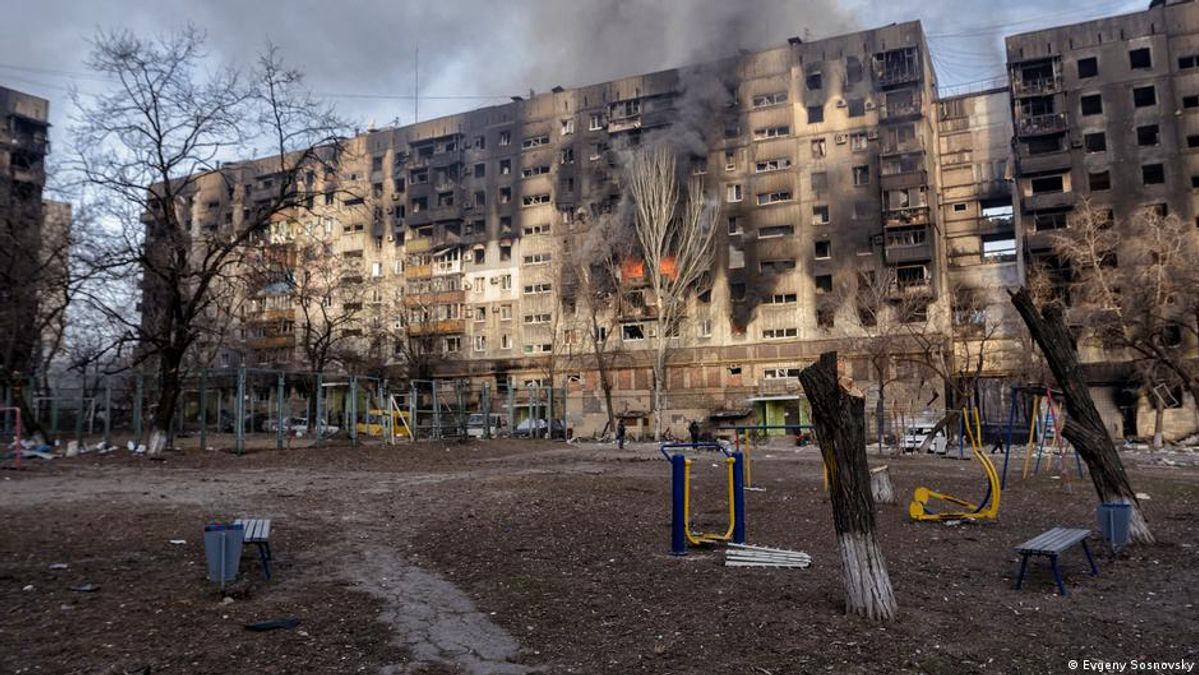
In the aftermath of Russia's siege on Mariupol in 2022, the city lies in ruins, with 90% of its buildings damaged or destroyed. However, in a shocking turn of events, Russian building contractors have begun constructing new high-rise apartment blocks on the site of destroyed buildings, selling them to Russian citizens at low interest rates.
The Russian government's decision to rebuild and sell apartments in Mariupol is a strategic move to solidify its control over the occupied territory. By offering cheap mortgages to Russian citizens, the government is incentivizing loyalists to move to the area, effectively altering the demographic makeup of the city. This tactic is a classic example of population transfer, a strategy used to assert dominance over a conquered territory.
The human cost of this strategy is devastating. Former residents of Mariupol, who have lost their homes and livelihoods, are being pushed out of the city. Those who have remained are being forced to leave their apartments, with no guarantee of being allocated new ones. The city's transformation is a stark reminder of the displacement and trauma inflicted upon civilians during war.
What the Russian government is downplaying is the fact that the new apartments are being built on the site of destroyed buildings, where thousands of people lost their lives. The erasure of history and the suppression of memories are tactics used to consolidate power and control over the narrative. The fact that newcomers to the area are being offered discounts and cheap mortgages, while former residents are left to fend for themselves, is a stark example of the inequality and injustice perpetuated by the Russian government.
As the situation in Mariupol continues to unfold, it is essential to watch for the long-term consequences of Russia's actions. Will the international community hold Russia accountable for its actions in Ukraine? How will the Ukrainian government respond to the demographic changes in Mariupol? And what will be the humanitarian implications of this crisis? The answers to these questions will have far-reaching consequences for the people of Ukraine and the global community.
Editor's Note: The analysis is based on publicly available information and may not reflect the full complexity of the situation on the ground.
Source referenced: DW
This brief was synthesized by our Editorial Engine and reviewed by The Ground Narrative team.


