TRENDING

Friday, 25 September 2026
----------------------
14 Rabi' Al-Thani 1448 AH
Ukrainian deep strikes into Russian territory have intensified calls from Russian hardliners for a significant escalation of the conflict and an end to U.S.-brokered talks. This internal pressure on President Putin highlights a critical juncture in Russia's war strategy and raises global concerns about potential escalation.
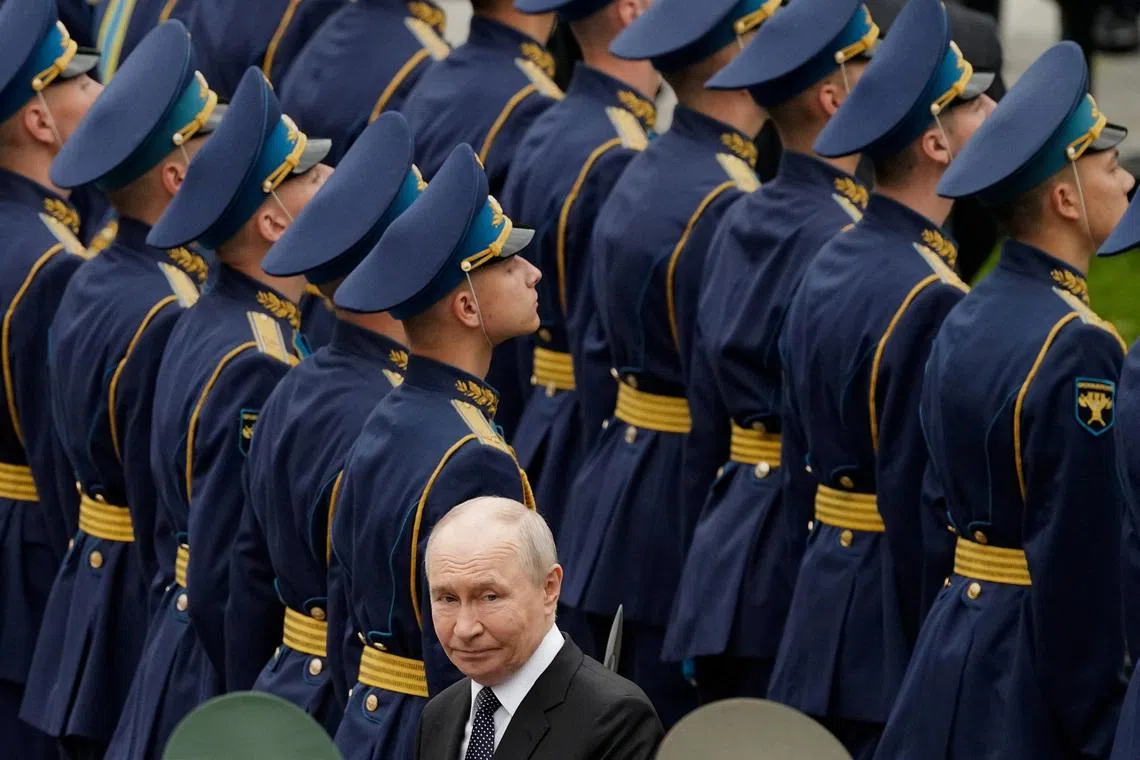
Recent deep-penetration strikes by Ukrainian forces into Russian territory have ignited a fierce debate within Russia's political landscape, prompting a chorus of hardline nationalist voices to demand a significant escalation of the conflict and a complete abandonment of diplomatic engagement with the United States. These calls, intensifying in late June 2026, underscore growing internal pressures on President Vladimir Putin and highlight the strategic implications of Ukraine's evolving military capabilities.
The Ukrainian attacks, which have reportedly targeted critical infrastructure in Moscow, St. Petersburg, and Crimea, as well as civilian transport, have fueled a sense of vulnerability and anger among Russian nationalists. Figures such as tycoon Konstantin Malofeyev and influential nationalist bloggers are openly questioning the current military strategy, arguing that Russia is not fighting "for real" and advocating for extreme measures. Their demands range from full national mobilization and the destruction of Kyiv's government quarter to the assassination of Ukrainian President Volodymyr Zelenskiy and strikes on European drone manufacturing facilities. Disturbingly, some hardliners have even broached the use of tactical nuclear weapons, a proposition that carries immense global risk.
This surge in hawkish rhetoric reflects a deeper unease within Russia regarding the reach and impact of Ukrainian drone technology, challenging the Kremlin's narrative of control and security. Analysts suggest that while President Putin maintains a tightly controlled political system and can tolerate such nationalist expressions to a degree, these statements can complicate decision-making. They risk inflaming public sentiment and raising expectations for a more expansive and aggressive military campaign, potentially narrowing the Kremlin's room for maneuver, even as it seeks to keep diplomatic channels open.
So far, the Kremlin has largely resisted the most extreme demands for abandoning negotiations. Senior government officials have, however, expressed frustration over the perceived lack of progress in talks with the U.S., accusing Washington of failing to follow through on peace proposals from a previous summit. While Putin has not endorsed the most radical proposals, there have been subtle but significant signals of potential escalation. In April, the Defence Ministry published addresses of alleged drone factories in several European countries, interpreted as a warning. More recently, Russia's Foreign Ministry indicated an intent to launch "systematic strikes" on military targets in Kyiv, followed by heavier bombing runs that damaged historical sites.
The intensification of Ukrainian deep strikes represents a significant strategic challenge for Russia. These attacks demonstrate Ukraine's capacity to project power beyond the immediate front lines, disrupting Russian logistics, infrastructure, and potentially impacting civilian morale. This capability forces Russia to divert resources to homeland defense, potentially impacting its offensive operations in Ukraine. The hardliners' frustration highlights a fundamental debate within Russia about how to defend its vast territory while simultaneously pursuing its stated war aims in Ukraine, a conflict initiated in 2022.
The calls to abandon U.S.-brokered peace talks underscore a profound distrust of Western diplomatic efforts among Russian nationalists. Some bloggers have even linked the perceived failure of these talks to broader geopolitical maneuvers, suggesting that the U.S. is deliberately enabling Ukrainian aggression. This perspective further complicates any future attempts at de-escalation or a negotiated settlement, as it frames diplomacy as a concession rather than a viable path to resolution.
President Putin, for now, appears confident in his current strategy, emphasizing ongoing military gains in eastern Ukraine, particularly around Kostyantynivka in the Donbas region. He also projects optimism about a shift in European political sentiment, anticipating the rise of forces more amenable to restoring "normal relations" with Russia. However, the persistent and increasingly vocal pressure from hardliners presents a critical variable. Should Ukrainian strikes continue or intensify, the internal political calculus within Russia could shift, potentially pushing the Kremlin towards a more aggressive posture, even if short of the most extreme demands.
The current situation highlights a dangerous confluence of factors: Ukraine's demonstrated ability to strike deep into Russia, the internal Russian pressure for escalation, and a diplomatic landscape fraught with mistrust. The trajectory of the conflict will heavily depend on how President Putin navigates these internal and external pressures, balancing the demands of his nationalist base with the broader geopolitical risks of further escalation. The potential for miscalculation or an unintended widening of the conflict remains a significant concern for regional and global stability.