TRENDING

Sunday, 4 October 2026
----------------------
23 Rabi' Al-Thani 1448 AH
A Gaza engineer's innovative use of empty cans to build animal shelters highlights the resourcefulness of Palestinians under occupation. This story, however, also underscores the deeper structural issues of poverty, occupation, and environmental degradation. As the international community continues to grapple with the Israeli-Palestinian conflict, it's essential to examine the power dynamics at play and the human cost of the ongoing occupation.
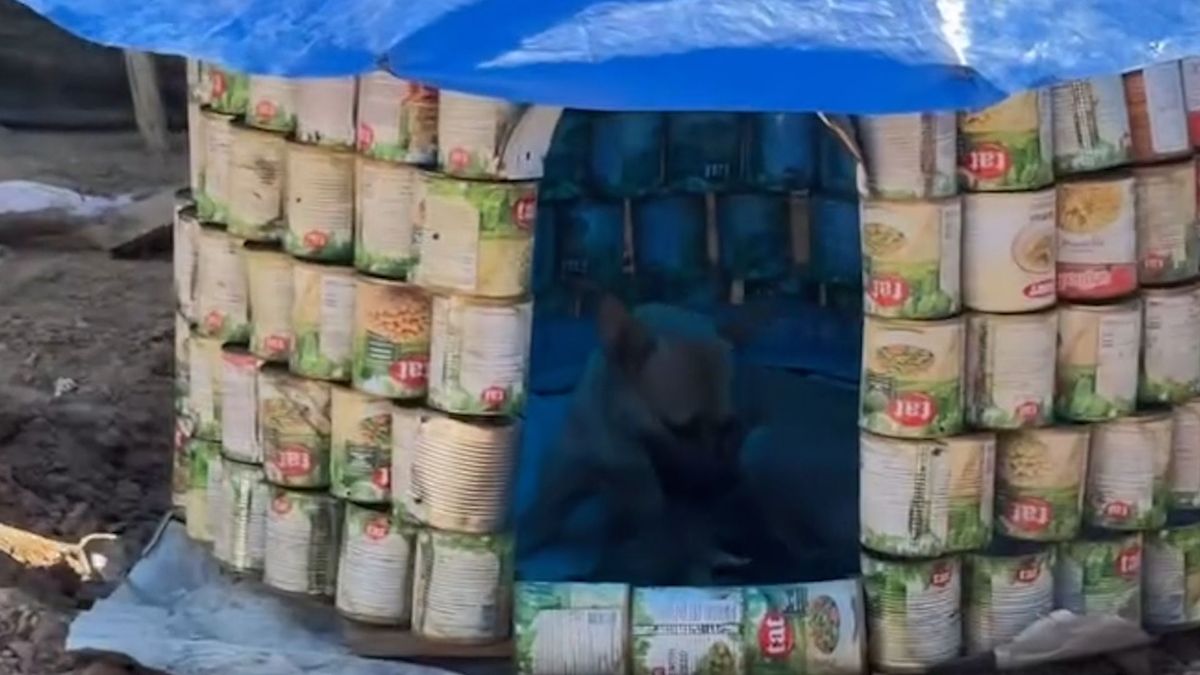
In a heartening display of ingenuity, a Gaza engineer has been transforming empty cans into animal shelters, showcasing the resilience and resourcefulness of Palestinians living under occupation. This act of creativity not only provides shelter for animals but also highlights the broader issues of poverty, lack of resources, and environmental challenges faced by the people of Gaza.
The Israeli-Palestinian conflict is a complex web of power dynamics, with Israel maintaining control over Gaza's borders, airspace, and territorial waters. This blockade severely restricts the flow of goods, including construction materials, exacerbating poverty and limiting access to basic necessities. The international community's inability to enforce a lasting ceasefire and establish a viable peace process has allowed this situation to persist, with Palestinians bearing the brunt of the occupation.
The human cost of the occupation is often overlooked in favor of geopolitical posturing. Palestinians in Gaza face dire living conditions, with high unemployment rates, limited access to healthcare, and a severely damaged infrastructure. The psychological toll of living under constant threat of violence and economic hardship is immense, affecting not just individuals but entire communities. The story of the Gaza engineer, while inspiring, serves as a reminder of the everyday struggles faced by Palestinians and the need for a comprehensive and just peace.
What is often downplayed or omitted in discussions about the Israeli-Palestinian conflict is the role of international actors in perpetuating the status quo. The continued supply of military aid to Israel by countries like the United States, without stringent conditions for its use, contributes to the cycle of violence. Moreover, the lack of economic support for Gaza's reconstruction and development hampers efforts to improve living conditions and reduce dependence on external aid. The narrative of 'both sides' being equally responsible for the conflict obscures the power imbalance and Israel's responsibility as the occupying power.
As the situation in Gaza continues to deteriorate, it's crucial to watch for any shifts in the international community's approach to the conflict. The implementation of more stringent conditions on military aid, increased economic support for Gaza, and a renewed push for a peace process based on international law could signal a turning point. Additionally, the role of regional actors, such as Egypt and the Gulf States, in facilitating dialogue or providing economic assistance could influence the trajectory of the conflict. The story of the Gaza engineer, while a testament to human resilience, should also serve as a call to action for those who can influence the course of this longstanding and deeply entrenched conflict.
Editor's Note: The analysis is based on publicly available information and may not reflect the full complexity of the situation on the ground.
Source referenced: ALJAZEERA
This brief was synthesized by our Editorial Engine and reviewed by The Ground Narrative team.