TRENDING

Monday, 5 October 2026
----------------------
24 Rabi' Al-Thani 1448 AH
Ukrainian drone attacks are targeting Wildberries, Russia's largest online marketplace, causing significant economic damage and human cost. This analysis explores Kyiv's strategy to disrupt logistics and bring the war's impact directly to Russian civilians.
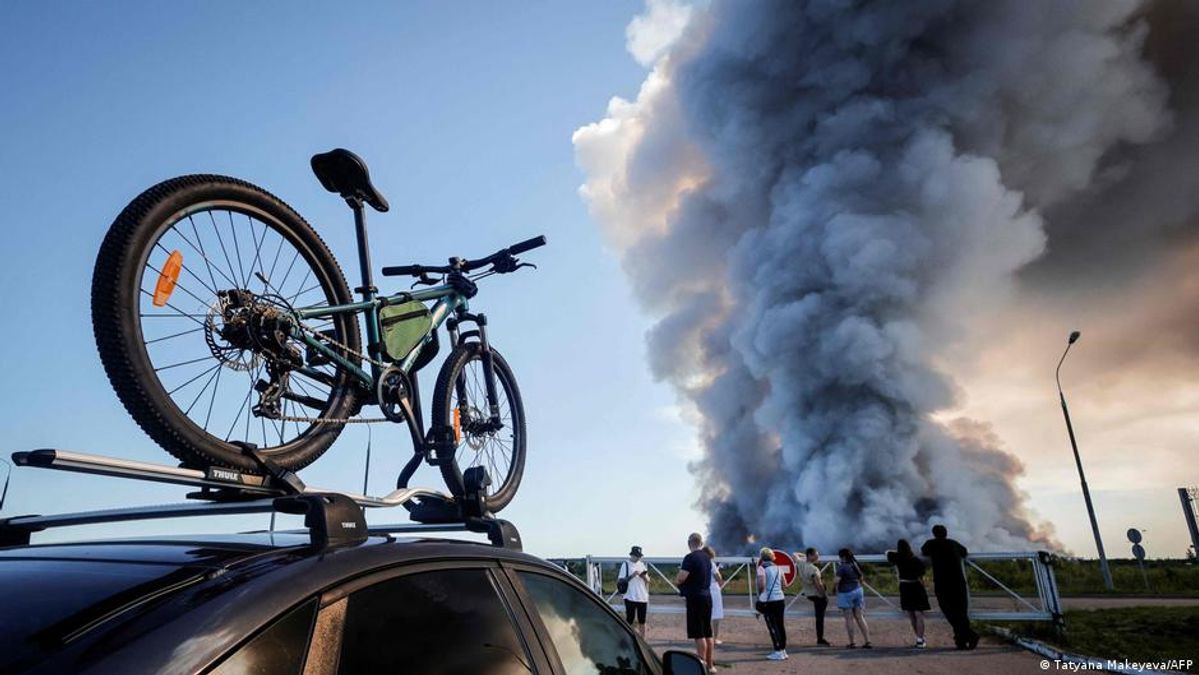
Ukrainian drone attacks have targeted numerous warehouses belonging to Wildberries, Russia's largest online marketplace, across the country. Recent strikes include major facilities near Moscow and in Tver, causing extensive fires and significant operational disruption. These attacks have resulted in at least nine confirmed deaths, scores of injuries, and an estimated loss of goods and infrastructure worth billions of dollars, severely impacting Russia's e-commerce backbone.
Ukraine's strategy is multi-layered, aiming to exploit critical vulnerabilities within Russia's economy and logistics. By targeting Wildberries, often dubbed Russia's Amazon, Kyiv seeks to disrupt what it claims are "elements of Russian logistics" used for military supplies, including navigation systems and drone components. While Moscow denies these claims, independent analysis has identified tens of thousands of military and dual-use goods on the platform.
Beyond direct military supply disruption, the attacks serve as a potent form of economic warfare. Wildberries controls nearly half of Russia's e-commerce market, processing goods and services equivalent to 8.5% of the nation's GDP. Its rapid growth was fueled by the vacuum left by Western companies post-2022 and the government's embrace of "parallel imports" to circumvent sanctions. This reliance has made it a "choke point" for the Russian economy. Disrupting such a massive enterprise, with its deep ties to state-backed creditors like Sberbank and VTB, threatens to drain state coffers through potential bailouts and create a ripple effect across the financial system. Furthermore, the attacks are explicitly designed to "bring the war home" to Russian civilians, aiming to erode public morale and support for the conflict by disrupting daily life and economic stability.
The human cost of these attacks is borne by several layers of Russian society. Foremost are the warehouse employees, with at least nine confirmed dead and many more injured, caught in the direct line of fire in facilities that are now strategic targets. Beyond the immediate casualties, the livelihoods of approximately 400,000 small and medium-sized sellers who rely on Wildberries for their income are severely jeopardized. These entrepreneurs, often operating with thin margins, face substantial losses of inventory and access to their customer base.
For the estimated 80 million monthly users of Wildberries, the attacks mean disrupted access to essential goods and services, leading to inconvenience, potential price hikes, and a growing sense of insecurity. The platform had become an integral part of daily life, particularly after Western retailers withdrew. The erosion of this "normality" is a deliberate psychological objective, but its impact falls directly on ordinary citizens who have little say in the conflict's direction.
Russian official statements consistently downplay the true extent of Wildberries' involvement in supplying military or dual-use goods, framing the platform as purely civilian. This narrative aims to delegitimize Ukraine's targeting strategy and maintain public confidence in the government's ability to protect civilian infrastructure. However, the documented presence of military-grade items on the platform suggests a deliberate blurring of lines, leveraging civilian supply chains for military ends.
Conversely, while Ukraine emphasizes the military logistics aspect, the broader objective of "bringing the war home" inherently involves targeting infrastructure that serves civilian populations. This strategy, while militarily effective in creating pressure, carries the unstated risk of alienating Russian civilians and potentially hardening their resolve, rather than undermining it. Both sides omit the full moral and strategic complexities of attacking infrastructure that, regardless of dual-use claims, is deeply integrated into the daily lives of millions of ordinary people. The potential for a domino effect on the Russian economy, including state-backed banks, is also likely being understated by Moscow to prevent panic.
The immediate focus will be on the Russian government's response to Wildberries' plea for financial support. The scale of state intervention, particularly from major creditors like VTB and Sberbank, will indicate the Kremlin's assessment of the platform's systemic importance and its willingness to absorb significant economic losses to maintain stability. Watch for any shifts in consumer behavior, such as a move towards competitor platforms like Ozon or a return to traditional retail, which could signal a deeper erosion of confidence in online services.
Further, observe Ukraine's continued targeting patterns. Will they escalate attacks on other critical civilian-linked infrastructure with dual-use potential, or will they shift focus? The effectiveness of Russian air defenses against these drone attacks, particularly around major logistical hubs, will also be a key indicator of Moscow's ability to adapt. Finally, monitor any signs of increased public discontent or changes in consumer prices, which could reflect the cumulative economic and psychological strain on the Russian populace.
Source referenced: DW
This brief was synthesized by our Editorial Engine and reviewed by The Ground Narrative team.


