TRENDING

Monday, 5 October 2026
----------------------
24 Rabi' Al-Thani 1448 AH
Syria and Russia have reached a deal on the fate of Russian bases in the country, marking a significant shift in their relationship. The agreement will see the Hmeimim airbase and Tartus naval base repurposed as joint training and capacity-building centers. This development comes after 18 months of negotiations and signals a new era in Syria-Russia relations.
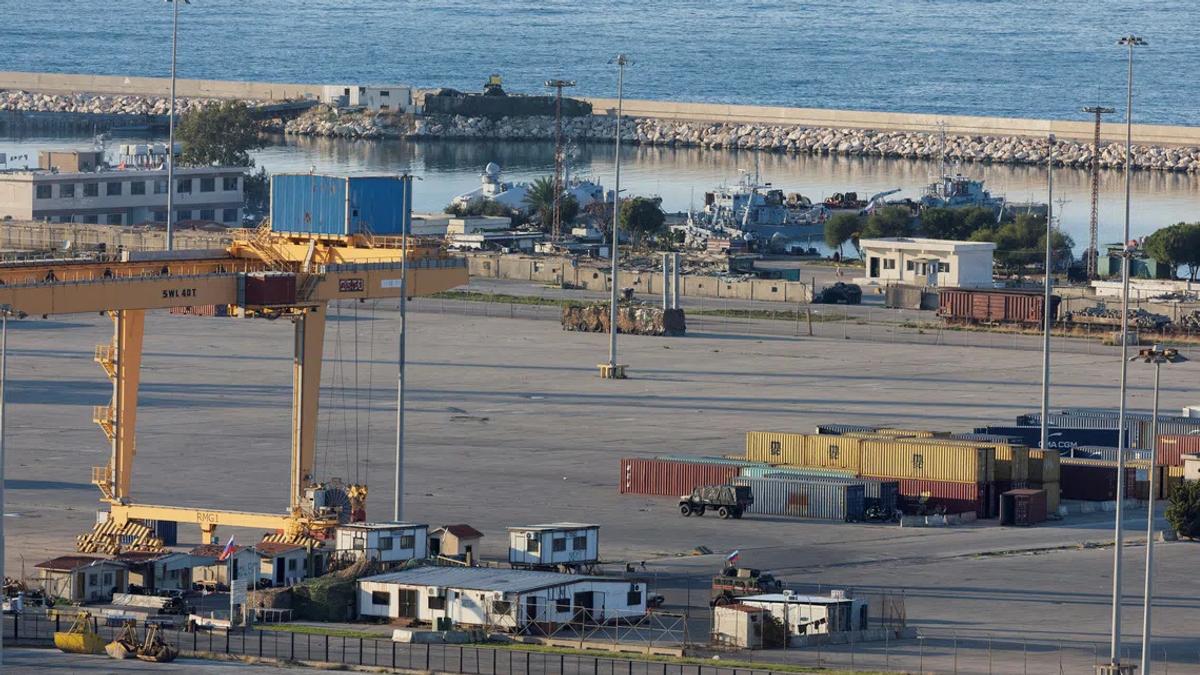
Syria and Russia have finalized a deal regarding the fate of Russian military bases in the country. The Hmeimim airbase and Tartus naval base, which were crucial in Moscow's support for former Syrian leader Bashar al-Assad, will be transformed into joint training and capacity-building centers. This agreement follows a year and a half of talks between the two nations.
The deal underscores Russia's efforts to maintain its influence in Syria despite the ouster of its ally, Bashar al-Assad, in 2024. President Vladimir Putin has been working to establish strong relations with the new Islamist authorities in Damascus to secure the future of Russia's only official military bases outside the former Soviet Union. The repurposing of these bases as joint centers reflects a strategic adjustment, allowing Russia to preserve its interests while acknowledging the shift in Syria's political landscape.
The impact of this agreement on the Syrian people is multifaceted. On one hand, the transfer of civilian facilities at the bases to Damascus could potentially lead to improved infrastructure and services for local communities. On the other hand, the presence of Russian military facilities, even in a repurposed form, may continue to influence the political and security dynamics in Syria, affecting the lives of Syrians who have borne the brunt of the civil war. The demand for the extradition of Bashar al-Assad, who has been sheltering in Moscow, remains a contentious issue, reflecting the deep-seated desire for accountability among Syrians.
What is being downplayed in the official statements is the extent to which this deal may compromise Syria's sovereignty. By maintaining a military presence, albeit in a joint capacity, Russia retains significant leverage over Syrian affairs. Furthermore, the agreement may signal a broader strategy by Russia to maintain its geopolitical foothold in the region, potentially at the expense of other international actors. The fact that Assad remains in Russia, despite Syrian demands for his extradition, highlights the complex web of interests and power dynamics at play.
In the coming months, it will be crucial to observe how the implementation of this agreement unfolds, particularly the timeline for completing the transformation of the bases and the handover of civilian facilities to Damascus. Additionally, the reaction of other regional and global actors to this development will be significant, as it may influence the balance of power in the Middle East. The ability of the new Syrian government to assert its authority and negotiate favorable terms with international partners, including Russia, will be a key factor in determining the country's future trajectory.
Editor's Note: The analysis is based on publicly available information and may not reflect the full complexity of the negotiations or the intentions of the parties involved.
Source referenced: STRAITSTIMES
This brief was synthesized by our Editorial Engine and reviewed by The Ground Narrative team.


