TRENDING

Monday, 5 October 2026
----------------------
24 Rabi' Al-Thani 1448 AH
A helicopter crash in Rio de Janeiro's Tijuca National Park has killed four people, including three Colombian women on a sightseeing flight. The incident highlights the growing concerns over safety in Brazil's thriving tourism industry. As the city grapples with the aftermath, questions arise about the true cost of adventure tourism and who bears the burden of risk.
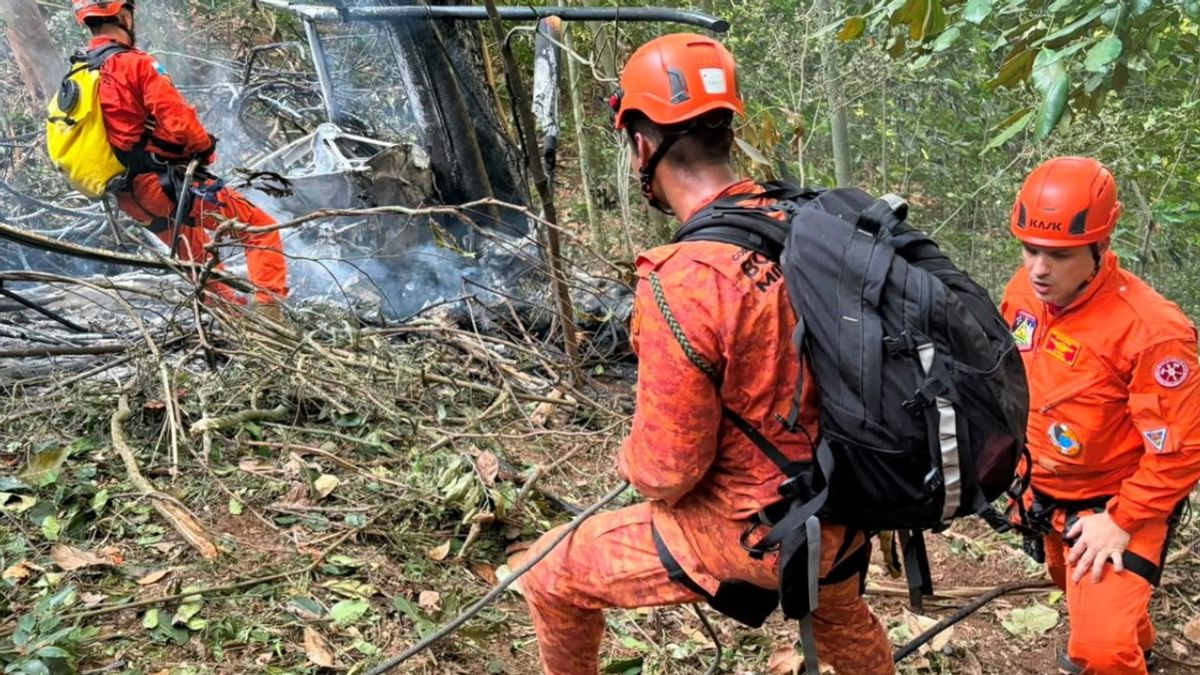
A helicopter crash in Rio de Janeiro's Tijuca National Park has resulted in the deaths of four people, including a pilot and three Colombian women who were part of a family celebrating a girl's 15th birthday. The incident occurred during a sightseeing flight over the densely forested area, a popular tourist activity in the city.
The growing demand for helicopter tours in Rio de Janeiro has created a lucrative market, with many operators competing for customers. However, this growth has also raised concerns about safety, as evidenced by the recent collision of two helicopters in midair, killing six people. The city's mayor, Eduardo Cavaliere, has called for increased oversight and suggested suspending helicopter flights temporarily to implement new safety measures. This move may be seen as an attempt to balance the economic benefits of tourism with the need to ensure public safety.
The human cost of this tragedy is devastating, with a family torn apart by the loss of loved ones. The three Colombian women who died were part of a group that had traveled to Rio de Janeiro to celebrate a milestone birthday, only to have their lives cut short in a tragic accident. The incident highlights the risks associated with adventure tourism and the importance of prioritizing safety above profits. As the city mourns the loss of life, it is essential to consider the long-term impact on the families affected and the potential consequences for the tourism industry as a whole.
While the incident has sparked concerns about safety, there is a larger narrative about the exploitation of natural resources and the commercialization of public spaces. Tijuca National Park, a protected area, has become a hub for tourist activities, including helicopter flights. This raises questions about the balance between conservation and commercialization, as well as the role of government agencies in regulating these activities. Furthermore, the fact that the city's mayor has only now called for increased oversight suggests that the authorities may have been slow to respond to growing safety concerns, potentially downplaying the risks associated with helicopter tourism.
As the investigation into the crash continues, readers should watch for developments in the city's approach to regulating helicopter flights and ensuring public safety. The suspension of flights, even if temporary, may have significant economic implications for the tourism industry, and it remains to be seen how the city will balance these competing interests. Additionally, the incident may spark a broader conversation about the ethics of adventure tourism and the need for more stringent safety protocols to protect both tourists and local communities.
Editor's Note: The analysis is based on publicly available information and may not reflect the full complexity of the situation.
Source referenced: ALJAZEERA
This brief was synthesized by our Editorial Engine and reviewed by The Ground Narrative team.