TRENDING

Sunday, 25 October 2026
----------------------
14 Jumada Al-Awwal 1448 AH
Ukrainian President Volodymyr Zelenskyy accuses Russian President Vladimir Putin of choosing war by rejecting an offer for in-person talks, highlighting the escalating tensions between the two nations.
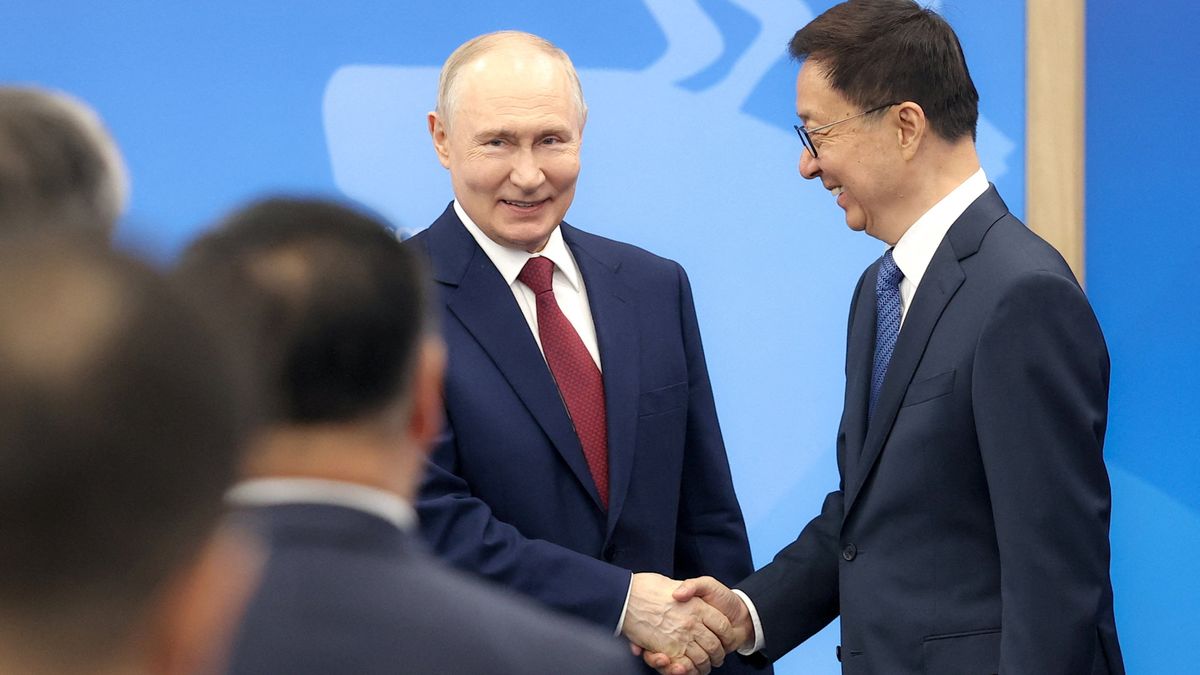
The rejection of Ukrainian President Volodymyr Zelenskyy's offer for in-person talks with Russian President Vladimir Putin marks a significant escalation in the ongoing conflict between the two nations. In a statement, Zelenskyy accused Putin of choosing war by rejecting the offer, highlighting the deteriorating relationship between the two leaders.
The conflict between Ukraine and Russia has been ongoing since 2014, with the annexation of Crimea by Russia sparking widespread international condemnation. Since then, the conflict has escalated, with both sides engaging in military actions and diplomatic efforts to resolve the crisis. The rejection of talks by Putin marks a significant setback in these efforts, raising concerns about the future of the conflict.
Putin's rejection of talks can be seen as a strategic move to maintain Russia's position in the conflict. By refusing to engage in diplomatic efforts, Putin may be attempting to demonstrate his commitment to Russia's interests in Ukraine, while also putting pressure on Ukraine to negotiate on Russia's terms. This move may also be aimed at undermining the international community's efforts to resolve the conflict through diplomatic means.
The rejection of talks by Putin has significant regional implications, particularly in the context of the ongoing conflict in Ukraine. The escalation of tensions between Ukraine and Russia may lead to further military action, potentially drawing in other regional actors. The international community, including the United States and the European Union, has been actively involved in efforts to resolve the conflict through diplomatic means. The rejection of talks by Putin may undermine these efforts, potentially leading to a further deterioration in the situation.
The rejection of talks by Putin has significant future consequences, particularly in the context of the ongoing conflict in Ukraine. The escalation of tensions between Ukraine and Russia may lead to further military action, potentially drawing in other regional actors. The international community may need to reassess its approach to resolving the conflict, potentially involving more robust diplomatic efforts or even military intervention.
The rejection of talks by Putin marks a significant escalation in the ongoing conflict between Ukraine and Russia. The strategic motivations behind this move are unclear, but it is likely aimed at maintaining Russia's position in the conflict. The regional implications of this move are significant, potentially leading to further military action and drawing in other regional actors. The future consequences of this move are uncertain, but it is likely to lead to a further deterioration in the situation.
Editor's Note: The strategic motivations behind Putin's rejection of talks are unclear, but it is likely aimed at maintaining Russia's position in the conflict.
Source referenced: ALJAZEERA
This brief was synthesized by our Editorial Engine and reviewed by The Ground Narrative team.