TRENDING

Sunday, 20 September 2026
----------------------
9 Rabi' Al-Thani 1448 AH
Russian President Vladimir Putin warned that NATO’s eastward push is a prelude to conflict with Moscow. The statement sharpens the power tug‑of‑war over Ukraine and tests European societies that bear the hidden costs.
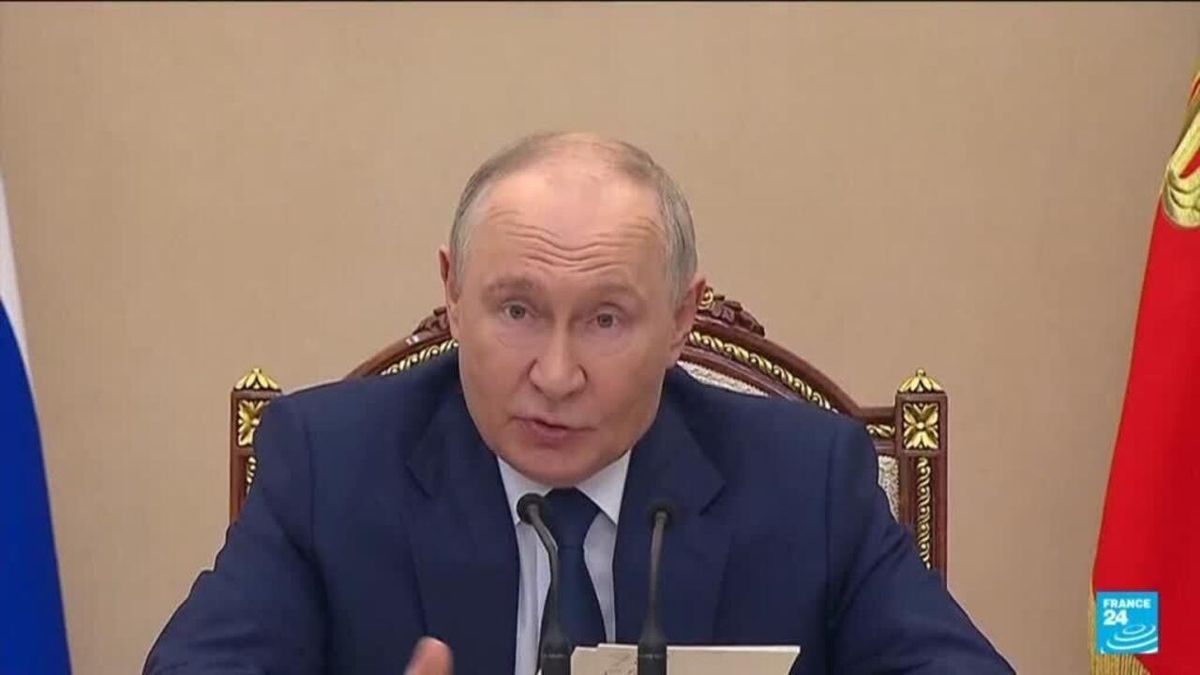
On 19 September 2026 Russian President Vladimir Putin declared that Europe is "preparing for war" as NATO expands its reach and deepens support for Kyiv. The remark came amid a wave of new military aid packages, joint exercises, and political rhetoric from Brussels and Washington aimed at containing Russia’s actions in Ukraine.
Putin’s warning is less about a sudden shift in Russian policy than about preserving a narrative that justifies Moscow’s own military posture. By framing NATO’s defensive steps as offensive preparation, the Kremlin seeks three incentives:
1. Domestic legitimacy – portraying the West as a looming threat rallies nationalist sentiment and distracts from economic strain at home.
2. Diplomatic leverage – a narrative of an encircling alliance gives Moscow a pretext to demand concessions in arms‑control talks or to justify further incursions in the “near abroad”.
3. Resource allocation – the threat story frees the Russian defense budget to fund new deployments, especially along the Baltic and Black Sea coasts, where NATO’s presence has grown since 2022.
For Europe, the calculus is equally layered. Member states balance three competing pressures:
- Alliance cohesion – each new aid decision to Kyiv is a test of solidarity; a split would embolden Moscow.
- Domestic politics – governments must answer voter fatigue over endless subsidies for energy, inflation, and the specter of a wider conflict.
- Economic trade‑offs – sanctions on Russian energy have already strained European energy markets; deeper confrontation risks further supply shocks.
The power exchange is thus a high‑stakes game of signaling, where both sides use rhetoric to shape expectations and to lock in policy pathways that benefit entrenched interests – defense contractors, energy exporters, and political elites.
While presidents and generals trade accusations, ordinary Europeans feel the pressure in concrete ways. In Germany and France, households continue to pay higher electricity bills as utilities replace Russian gas with pricier alternatives. Small‑business owners in the Baltic states report supply chain disruptions linked to sanctions on Russian raw materials. In Ukraine, the influx of Western weapons prolongs combat, extending the trauma for civilians already displaced by years of fighting. Meanwhile, Russian soldiers stationed near the new NATO exercises face heightened alert levels, increasing the likelihood of accidental clashes that could claim lives on both sides.
In the background, migrant communities in Italy and Spain see a resurgence of anti‑immigrant rhetoric that governments use to rally nationalist support, linking “foreign threats” to domestic security concerns. The human cost, therefore, spreads far beyond the battlefield, embedding itself in energy bills, job security, and social cohesion.
Official statements on both sides downplay the economic incentives driving the standoff. Kremlin spokespeople rarely mention that Russia’s defense industry relies on state subsidies that have ballooned to over 4 % of GDP since the Ukraine war began. Likewise, NATO officials rarely acknowledge that European defense spending has surged past 2 % of GDP for many members, a level that fuels a booming arms market across the continent. The narrative of pure security concerns masks a deeper profit motive for defense firms and a political need for leaders to justify budget overruns.
Another omitted layer is the role of third‑party states. Countries like Turkey and Finland, now NATO members, are negotiating separate security deals with Moscow to protect their own borders, a nuance lost in the binary East‑vs‑West framing. These side‑tracks illustrate how the “war preparation” story simplifies a web of overlapping interests.
Watch for three signals that will indicate whether the rhetoric turns into concrete escalation or retreats into a costly stalemate:
1. Joint NATO‑Ukraine drills in Eastern Europe – the scale and location of these exercises will reveal how far the alliance is willing to push the front line.
2. Russian legislative moves on defense spending – any new budget approvals for missile systems or Arctic bases will signal Moscow’s readiness to match NATO’s posture.
3. Energy market reactions – spikes in gas and electricity prices across the EU could pressure governments to seek diplomatic de‑escalation, especially if public unrest grows.
The interplay of these factors will shape not only the security architecture of the continent but also the daily lives of millions who watch the rhetoric from their kitchens, factories, and front‑line neighborhoods.
Editor's Note: Analysis based on publicly available statements and known policy trends; future diplomatic shifts could alter the projected scenarios.
Source referenced: FRANCE24
This brief was synthesized by our Editorial Engine and reviewed by The Ground Narrative team.


