TRENDING

Sunday, 20 September 2026
----------------------
9 Rabi' Al-Thani 1448 AH
President Emmanuel Macron’s three‑day visit to Saint Pierre and Miquelon, the last French foothold in North America, signals a subtle power play amid strained U.S.–France ties and shifting Atlantic fisheries.
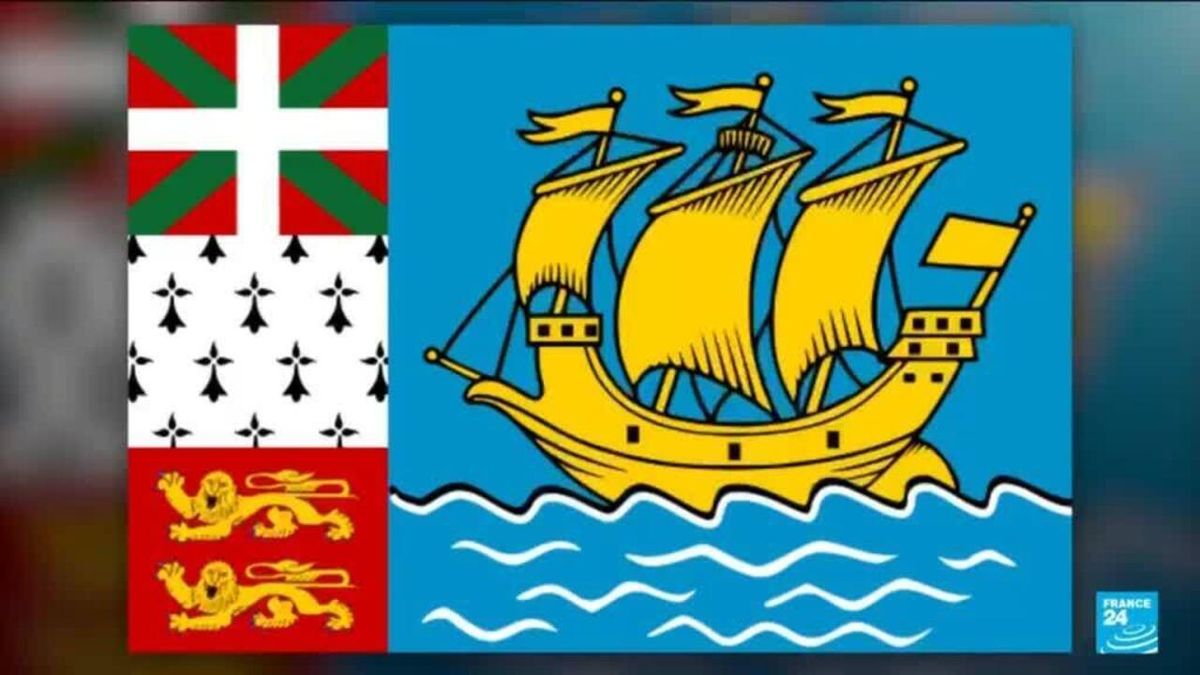
President Emmanuel Macron arrived in Saint Pierre and Miquelon on September 19, 2026, for a three‑day tour that included a joint meeting with Canadian Prime Minister Mark Carney. It marked the first time a French head of state set foot on the remote archipelago in more than ten years, drawing attention to a sparsely populated French overseas collectivity of under 6,000 residents just off Newfoundland’s coast.
The visit is more than a diplomatic courtesy. Saint Pierre and Miquelon sit at the edge of the North Atlantic Exclusive Economic Zone (EEZ) that grants France fishing rights over a rich stock of cod, crab, and shrimp. Those resources feed a lucrative export market for both France and the European Union, while also feeding local economies in Newfoundland and Labrador. By reinforcing the French presence, Macron signals to Washington that France will not cede its Atlantic foothold, even as the U.S. pushes for a tighter North Atlantic security framework that often sidelines European interests.
Canada, for its part, benefits from a stable partnership with France that helps manage cross‑border fisheries and curbs illegal, unreported, and unregulated (IUU) fishing. Carney’s presence underscores a shared desire to keep the Atlantic maritime order predictable, especially as climate‑driven shifts push fish stocks farther north and invite new actors, including China’s distant‑water fleet, to test the limits of existing agreements.
Domestically, Macron faces a fragmented political landscape and rising energy costs that have eroded public confidence. A high‑profile trip to a remote outpost offers a visual of French sovereignty and a narrative of continuity, countering criticism that the government is preoccupied with internal squabbles while neglecting overseas responsibilities.
For the 6,000 islanders, the visit brings a brief spotlight but little material change. Their economy hinges on a fragile mix of fisheries, tourism, and modest public sector jobs funded by Paris. Seasonal fluctuations in fish catches already strain household incomes, and rising fuel prices have made inter‑island transport more expensive. While Macron’s entourage toured local ports and schools, the community continues to grapple with limited healthcare access, aging infrastructure, and a brain drain of young people seeking opportunities on the mainland.
Beyond the islands, Newfoundland’s fishing towns watch the French presence with a mix of wariness and pragmatism. French vessels operating in the shared EEZ compete for the same catches, and any shift in quota allocations can ripple through local markets, affecting prices and employment for Canadian fishers.
Official statements framed the trip as a celebration of Franco‑Canadian friendship and a reaffirmation of French commitment to its overseas territories. What receives less attention is the subtle messaging to the United States. By highlighting a joint Franco‑Canadian dialogue in a region where U.S. naval patrols have increased, Paris signals that it can coordinate with Washington’s northern neighbor without needing direct American involvement.
Similarly, the EU’s role is downplayed. While French fisheries policy is largely coordinated through Brussels, the visit sidesteps broader EU debates about Atlantic resource management and climate adaptation, leaving Brussels to manage the diplomatic fallout if quota disputes flare.
Finally, the environmental dimension is muted. Climate change is reshaping the North Atlantic’s marine ecosystem, yet the itinerary focused on ceremonial events rather than concrete plans for sustainable fishing or renewable energy projects that could benefit the islands’ residents.
Watch for three developments. First, any revision of the 1992 France‑Canada fisheries agreement could alter quota shares, directly impacting both islanders and Newfoundland fishers. Second, the United States may respond with increased naval exercises in the area, testing the limits of NATO coordination and potentially pressuring France to align more closely with American security priorities. Third, domestic French politics will gauge whether high‑profile overseas visits translate into electoral capital for Macron’s centrist coalition, especially as energy costs remain a flashpoint for voters.
By tracking these threads, readers can see how a three‑day stop on a remote archipelago reverberates through Atlantic trade, security calculations, and the everyday lives of the people who live there.
Editor's Note: Analysis based on publicly available statements and known maritime agreements; specific quota negotiations remain confidential.
Source referenced: FRANCE24
This brief was synthesized by our Editorial Engine and reviewed by The Ground Narrative team.


