TRENDING

Sunday, 20 September 2026
----------------------
9 Rabi' Al-Thani 1448 AH
Dutch riot police clashed with 500 far‑right demonstrators chanting anti‑Semitic slogans, exposing the tug‑of‑war between immigration policy, populist politics, and public safety.
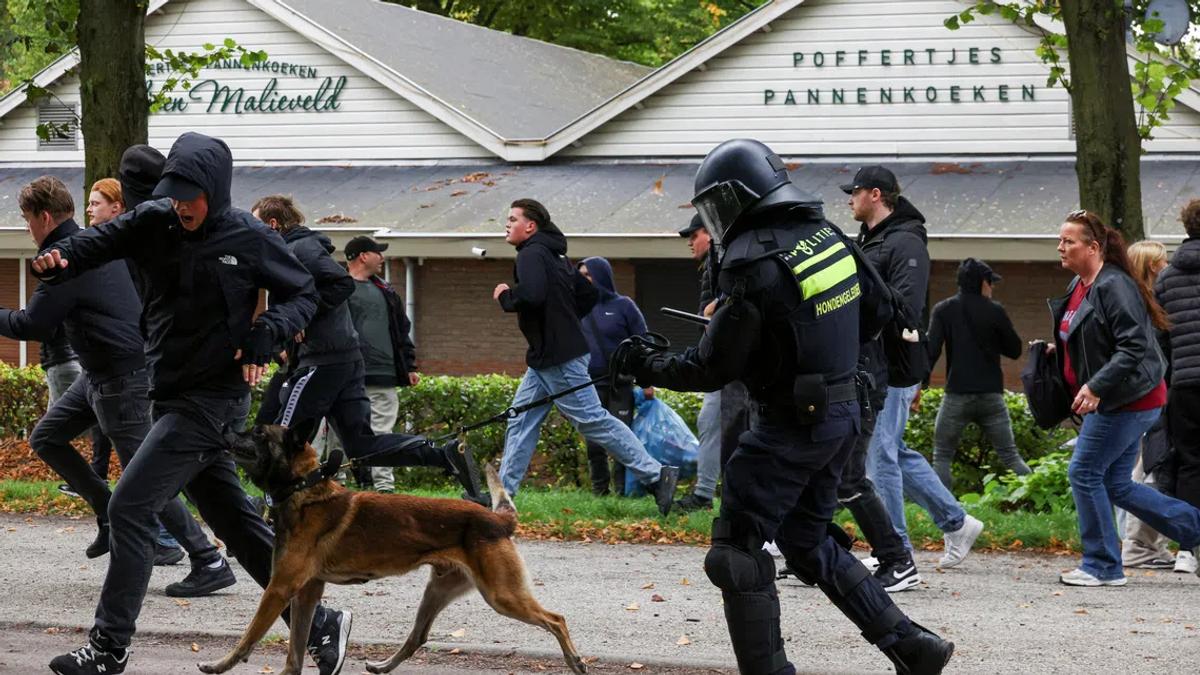
On September 19, 2026, roughly 500 far‑right activists gathered in The Hague’s city centre for a "We Are The People" rally. After police banned the planned march, protesters hurled fireworks and projectiles, chanting anti‑Semitic slogans, prompting riot police to respond with baton charges, water cannon and specialist dogs. Twenty‑four arrests were reported.
The clash is the latest flashpoint in a broader contest over Dutch immigration policy. Since 2022, the governing coalition has tightened asylum rules to appease a growing segment of voters fearful of “mass migration.” Populist parties—most notably Geert Wilders’ Freedom Party (PVV)—have leveraged those anxieties, framing the issue as an existential threat to Dutch culture. The government’s decision to ban the march reflects a calculus of maintaining public order while avoiding a perception of capitulating to extremist pressure. At the same time, Dutch police are under scrutiny from both the European Union, which monitors member‑state adherence to democratic protest standards, and domestic right‑wing politicians demanding a tougher hand on dissent. The deployment of water cannon and K‑9 units signals an escalation in police tactics, a response to past criticism that law‑enforcement was too lenient on far‑right street actions. Economically, the government balances the cost of heightened security against the political price of alienating a voter base that can swing parliamentary seats.
Immigrant communities in The Hague faced an immediate surge of hostility; the anti‑Semitic chants and visible police‑state response heightened fear of targeted violence. Small business owners near the protest site reported lost sales as shoppers avoided the area, and local residents endured disrupted transport and noise from water cannon blasts. Protesters themselves—many young, unemployed, or from working‑class backgrounds—risked criminal records that could limit future employment. Police officers suffered injuries from fireworks and projectiles, and the psychological toll of confronting fellow citizens armed with improvised weapons. The broader Dutch public now confronts a polarized narrative that pits national security against civil liberties, with ordinary voters left to navigate the fallout.
Official statements from Prime Minister Rob Jetten and Justice Minister David van Weel emphasize “firm action” and condemn the “abhorrent” slogans, but they downplay the political financing behind the rally. Investigations have yet to reveal whether domestic extremist networks or foreign actors supplied the fireworks and coordination tools. Moreover, the government’s focus on the protesters’ violence diverts attention from policy failures that have fueled anti‑immigration sentiment: stalled integration programs, housing shortages, and a perceived disconnect between Brussels‑mandated refugee quotas and local capacity. Media coverage also tends to isolate the incident as a fringe event, ignoring the long‑term rise of far‑right parties across Europe that share a common narrative of cultural erosion.
Watch for parliamentary motions calling for stricter protest‑permit laws, which could curtail future demonstrations but also risk infringing on democratic rights. The PVV’s internal dynamics will be tested; recent resignations of seven MPs over Wilders’ leadership style may either weaken or radicalize the party ahead of the 2027 elections. At the EU level, Brussels may issue a formal assessment of the Netherlands’ handling of extremist gatherings, influencing funding for security and integration projects. Finally, community organisations representing immigrant groups are likely to mobilize legal challenges against hate‑speech legislation, setting precedents for how European democracies balance free expression with protection against hate‑filled mob action.
Source referenced: STRAITSTIMES
This brief was synthesized by our Editorial Engine and reviewed by The Ground Narrative team.


