TRENDING

Tuesday, 3 November 2026
----------------------
23 Jumada Al-Awwal 1448 AH
Beijing has dispatched senior envoys to Iran, Saudi Arabia, Ethiopia and beyond, a move that blends peace‑building rhetoric with a clear bid for influence over some of the world’s most contested waterways.
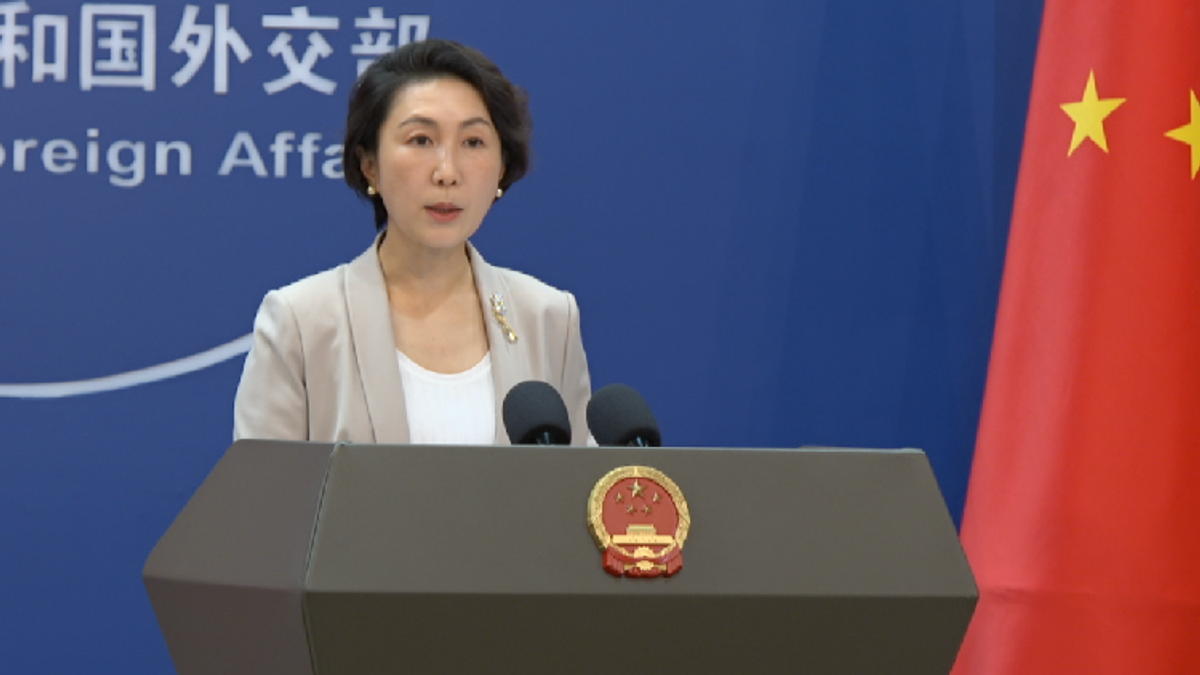
China announced that three senior diplomats will travel across the Middle East, the Gulf, the Red Sea and the Horn of Africa in November. Zhai Jun, the special envoy on Middle‑East affairs, will visit Iran, Oman and Saudi Arabia; Liu Xianfa, the African affairs representative, will stop in Ethiopia, Djibouti and Egypt; and Hu Changchun, the Horn‑of‑Africa envoy, will travel to Eritrea. The foreign ministry frames the shuttle as a peace‑building effort aimed at de‑escalating tensions and safeguarding regional stability.
- Energy security: The Gulf and Red Sea sit on the arteries that feed China’s massive oil imports. By cultivating personal ties with Tehran, Riyadh and the ports of Djibouti, Beijing hopes to insulate its supply chain from flashpoints that could disrupt shipments.
- Belt and Road continuity: The envoy tour dovetails with the Maritime Silk Road, a strand of the larger Belt and Road Initiative that relies on secure sea lanes. Visits to Eritrea and Ethiopia are less about tourism and more about cementing logistics hubs that can serve Chinese vessels sailing between the Indian Ocean and the Mediterranean.
- Great‑power competition: The United States has long positioned itself as the security guarantor in the Gulf and the Red Sea. By sending high‑level envoys, China signals a willingness to fill any vacuum left by a retreating U.S. naval presence, especially after recent American pull‑backs in Yemen and Somalia.
- Alliance math: Unlike formal treaties, envoy visits are low‑cost diplomatic tools that let Beijing test the waters of cooperation without committing troops. They also allow China to play the role of mediator in disputes—an image that bolsters its claim to be a responsible global stakeholder.
- Economic trade‑offs: Chinese firms have invested heavily in ports such as Djibouti’s Doraleh and Ethiopia’s Modjo industrial zone. Strengthening political goodwill reduces the risk of local push‑back or sanctions that could jeopardize these multi‑billion‑dollar projects.
Maritime laborers in the Red Sea and Gulf face heightened insecurity as rival powers jockey for influence. Any misstep could trigger a spike in piracy or insurance premiums, directly cutting wages for dockworkers and crew members who already operate on thin margins.
In Djibouti and Eritrea, local populations have seen rapid infrastructure growth but also rising land prices and displacement. Chinese‑built facilities often come with security enclaves that limit civilian access, turning once‑public waterfronts into quasi‑military zones.
Ethiopia’s internal conflict has already produced millions of displaced people. A stronger Chinese diplomatic footprint could tilt aid distribution toward projects that favor Chinese contractors, leaving vulnerable groups dependent on uncertain humanitarian channels.
Traditional market sellers in Oman and Saudi Arabia rely on predictable customs procedures. New bilateral agreements brokered behind closed doors may introduce opaque regulations that favor large Chinese firms, squeezing out local merchants.
- Strategic depth behind the rhetoric: While officials speak of “peace talks,” the underlying agenda includes securing exclusive port concessions and establishing intelligence‑sharing outposts that can monitor U.S. naval movements.
- Military shadow: The envoy itinerary aligns with the deployment of Chinese naval support ships to the region earlier this year. Observers note that diplomatic visits often precede the arrival of logistics vessels that can refuel warships, effectively extending Beijing’s operational reach.
- Resource extraction: Ethiopia and Eritrea sit atop untapped mineral deposits. Chinese diplomatic overtures are a prelude to mining contracts that could lock host governments into debt‑laden agreements, a pattern seen in other Belt and Road corridors.
- Human‑rights blind spot: The official narrative omits discussion of labor standards on Chinese‑run construction sites, where reports of low wages and unsafe conditions have surfaced in other African ports. Local NGOs warn that the same issues could flare up here.
- Information control: State media in the visited countries are likely to amplify the “peace‑building” angle, while downplaying any strategic competition with the United States, thereby shaping public perception in favor of Beijing’s presence.
- U.S. naval redeployment: Watch for announcements from the Pentagon about new carrier strike groups or joint exercises with Gulf allies, which would signal a direct response to Beijing’s diplomatic push.
- Bilateral agreements: The text of any memoranda of understanding signed during the visits will reveal whether the focus is on trade, security cooperation, or infrastructure financing.
- Local protests: Communities affected by port expansions may organize demonstrations, especially if displacement or labor grievances intensify. Social media chatter in Arabic, Amharic and Tigrinya will be an early barometer.
- Chinese naval movements: Satellite imagery of ship traffic to Djibouti’s Doraleh and Eritrea’s ports in the weeks after the envoy tour will indicate whether diplomatic talks translate into tangible logistical support.
- Regional diplomatic choreography: Iran, Saudi Arabia and the United Arab Emirates may use the envoy visits to negotiate their own trilateral frameworks, potentially sidelining the United States and reshaping the balance of power in the Gulf.
The envoy tour is more than a series of courtesy calls; it is a calibrated step in a broader strategy to embed China into the political and economic fabric of a region that has long been the arena of super‑power rivalry. Ordinary citizens—dockworkers, small traders, displaced families—will feel the ripple effects long before any headline about high‑level diplomacy fades.
Beijing aims to secure energy routes, expand Belt and Road projects, and fill any security vacuum left by a reduced U.S. naval presence, all while presenting itself as a peace‑building actor.
Chinese port investments may boost infrastructure but can also raise land prices, displace residents, and favor large Chinese firms over small local traders, altering labor markets and community dynamics.
Source referenced: CGTN
This brief was synthesized by our Editorial Engine and reviewed by The Ground Narrative team.